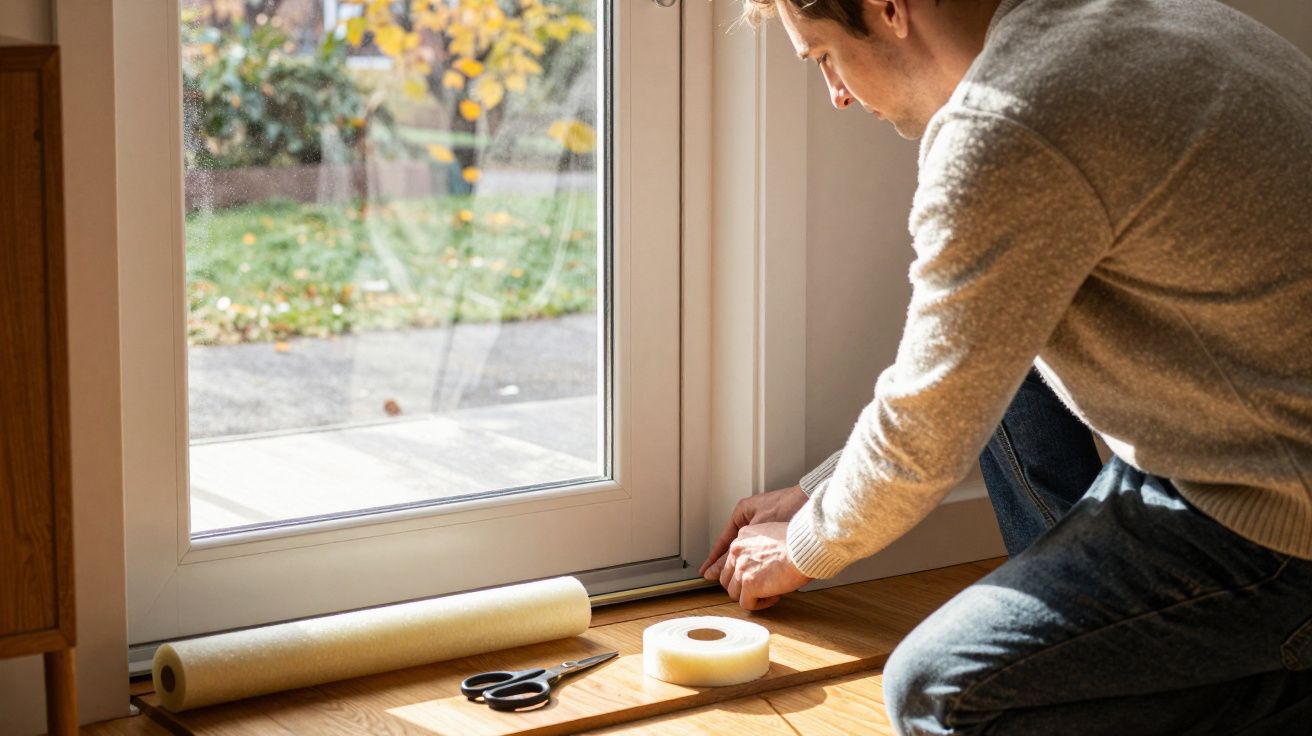
The first cold snap always feels like it arrived early. One morning the boiler sounds a bit moodier, the front step has a slick shine, and the car takes an extra beat to start. That’s where planned maintenance earns its keep: it’s the boring, scheduled work that stops your home and kit failing when winter preparation stops being a checklist and becomes the weather outside.
Most people don’t regret the things they do before winter. They regret the things they assumed would “probably be fine”.
Why “we’ll deal with it when it happens” is the expensive option
Winter doesn’t usually break things in a dramatic, cinematic way. It finds the small weaknesses: a slow leak that freezes, a gutter that overflows, a seal that’s been failing quietly since spring. Then it adds darkness, cold hands, and the fact that every tradesperson is already booked.
Planned maintenance isn’t about perfection. It’s about choosing when the disruption happens-on your terms, in daylight, before the phone calls start costing more.
There’s also a weird psychological trick at play. A home can look perfectly fine in October. The problems are there, but they’re polite. Winter makes them loud.
The decisions that pay off fastest (and why)
Start with what fails most often, and what causes the biggest knock-on mess when it does.
1) Book the “boring” service before the rush
A boiler service in late autumn is not exciting, but it’s one of those moves you feel smug about at 7am on a freezing Monday when everything still works. The same goes for wood burners: they don’t forgive neglect, and neither do chimneys.
Ask for clarity, not just a tick-box visit. You want to know what’s worn, what’s borderline, and what can wait.
- Boiler/heat pump check and basic safety test (including pressure and controls)
- Bleed radiators and balance if some rooms never warm up properly
- For stoves: sweep, rope seals, and a quick look at firebricks and baffle plates
2) Stop water where it shouldn’t be, before it turns to ice
Water damage is a winter classic because ice expands and because gutters don’t care about your weekend plans. A half-hour on a ladder (or paying someone who is steady on ladders) is often the difference between “fine” and “why is that stain growing”.
Look for the quiet tells: green streaks on brickwork, a gutter that drips even after rain has stopped, a downpipe that gurgles like it’s blocked halfway.
- Clear gutters and check joints for drips
- Make sure downpipes discharge away from the house, not into a saturated corner
- Insulate exposed pipework in garages, lofts, and outside taps
- Locate your stopcock now, not during a leak
3) Seal the gaps that steal heat and invite damp
Draughts are dramatic in winter because they feel personal. You can sit in a warm room and still get a cold stream on your ankles that makes you doubt the whole heating system.
Draught-proofing is also one of the few jobs where a small spend can change daily comfort immediately.
- Replace tired door seals; fit a brush strip or threshold where light shows under doors
- Use compressible foam or proper seals on sash windows (not just thick curtains as a fix)
- Check loft hatches: they often leak more air than you’d expect
4) Make a simple plan for “if it fails at night”
This is the part everyone skips because it feels pessimistic. Then the power goes, or the heating drops out, and you realise you’ve been relying on vibes.
Set yourself up for a calm response rather than a frantic one.
- Save emergency numbers (and your boiler model) in your phone
- Keep a torch where you can actually find it in the dark
- Know where the consumer unit is; label any confusing switches
- Keep a small stash: batteries, a blanket, and a way to make a hot drink if you can (even if it’s just a camping stove used safely)
A quick way to choose what to do first
If you’re short on time, prioritise by consequence. The question isn’t “what’s most likely to go wrong?” It’s “what hurts most if it does?”
| Priority | What you’re protecting | Typical action |
|---|---|---|
| Highest | Safety + heat | Service boiler/heat source, test alarms |
| High | Structure + mould | Gutters, leaks, ventilation checks |
| Medium | Comfort + bills | Draught-proofing, radiator balance |
The quiet checklist most people forget (and notice later)
These are the small, slightly unglamorous bits that turn winter from manageable to miserable when they’re ignored.
Smoke and carbon monoxide alarms get waved away as “fine” because they don’t complain. Test them anyway, and replace batteries before the first long night of heating.
Ventilation matters more in winter because we shut everything. If you’ve got trickle vents, make sure they’re not painted shut. If you’ve got extractor fans, check they actually pull air and aren’t just making noise.
And if you drive, treat the car like part of your winter preparation too. The home can be perfect and you can still end up stuck in a car park with a dead battery.
- Test alarms (and check expiry dates if applicable)
- Clean extractor fan covers; confirm airflow
- Check tyre tread and screenwash rated for low temperatures
- Keep a scraper, de-icer, and a small blanket in the boot
Between control and comfort: the point of doing it early
The nicest thing planned maintenance gives you isn’t a pristine property. It’s a winter where problems are smaller, slower, and less dramatic.
You can’t schedule the weather. You can schedule the decisions you’ll thank yourself for when it arrives.
FAQ:
- Is planned maintenance worth it if everything seems to be working? Yes. Winter tends to expose small faults quickly, and fixing them early is usually cheaper and less disruptive than emergency call-outs.
- What should I prioritise if I can only do one thing? Protect heat and safety first: service your heat source (boiler/heat pump/stove) and test smoke and carbon monoxide alarms.
- How do I know if my home is losing too much heat? Persistent draughts, uneven room temperatures, and condensation on windows are common signs. Start with seals, loft hatch gaps, and radiator bleeding/balancing.
- Do I need to insulate pipes in a garage or loft? Usually, yes. Any pipe in an unheated space is more vulnerable to freezing; foam pipe insulation is inexpensive and quick to fit.
- When should I book tradespeople for winter work? Earlier than you think. Late autumn slots go quickly; booking before the first cold snap often gets you more choice and faster turnaround.






Comments (0)
No comments yet. Be the first to comment!
Leave a Comment