
Cold mornings tend to expose the same weak spots in central heating systems, especially when seasonal errors creep back in at the start of autumn and again during the first proper cold snap. The frustrating part is that many of these habits feel sensible in the moment-until they quietly push bills up, rooms stay uneven, and boilers work harder than they need to.
Most fixes are not glamorous. They are small, repeatable choices that make your system steadier, quieter and easier to control across the winter, without resorting to last‑minute gadgets or running the thermostat like a panic button.
The annual mistakes that cost comfort (and cash)
Homeowners often blame “an old boiler” or “bad radiators” when the real issue is how the system is being run. These are the repeat offenders engineers see every year, in roughly the order they tend to show up.
Mistake 1: Turning the thermostat up to heat the house “faster”
A higher thermostat setting does not make most systems warm up more quickly; it just tells the boiler to keep going for longer. The result is usually overshooting, then opening windows, then repeating the cycle when the house cools down again.
A steadier approach is calmer and often cheaper: pick a comfortable target, give the system time, and use timed schedules so you’re not “chasing” the temperature all day.
If you are constantly nudging the thermostat, it’s often a sign the heat isn’t distributing evenly, not that you need more heat overall.
Mistake 2: Ignoring radiator balancing until a room goes cold
The classic pattern is one roasting room near the boiler and one back bedroom that never quite gets there. When radiators are out of balance, the nearest ones hog the flow and the rest starve, so the boiler runs longer to satisfy the thermostat.
Balancing is not about making a single radiator hotter than its design. It’s about getting the whole house to warm at roughly the same pace, so you can lower settings without losing comfort.
A quick sense‑check you can do tonight
- Put the heating on from cold and note which radiator heats first.
- If the first two are hot quickly and the far rooms lag badly, your system is likely out of balance.
- If you have thermostatic radiator valves (TRVs), check you’re not “fixing” cold rooms by cranking one radiator to max while others are throttled down.
If you’re comfortable using lockshield valves and a thermometer, you can DIY a proper balance. If not, it’s a straightforward job for a heating engineer and often pays back in comfort immediately.
Mistake 3: Bleeding radiators, then forgetting boiler pressure
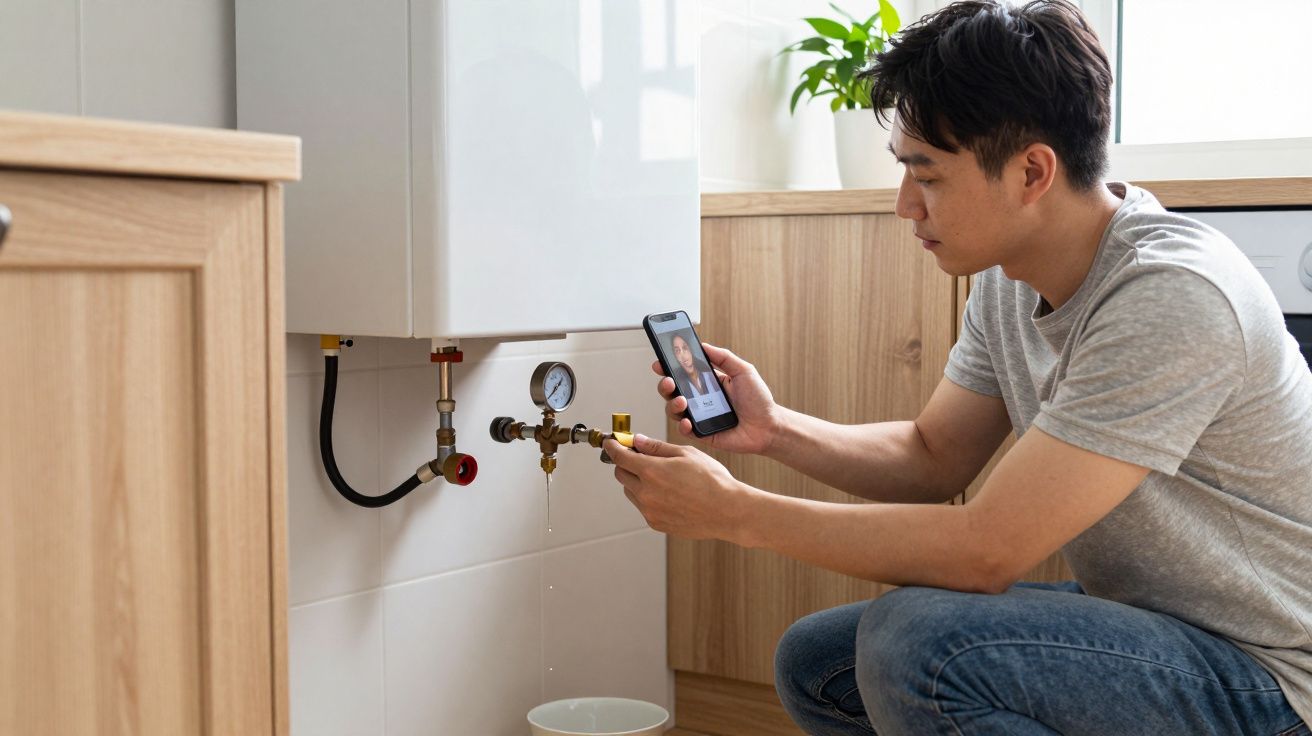
Bleeding air can help, but it often drops pressure-especially in sealed systems. Low pressure can leave radiators lukewarm, cause boiler lockouts, or make the system noisy as it struggles to circulate properly.
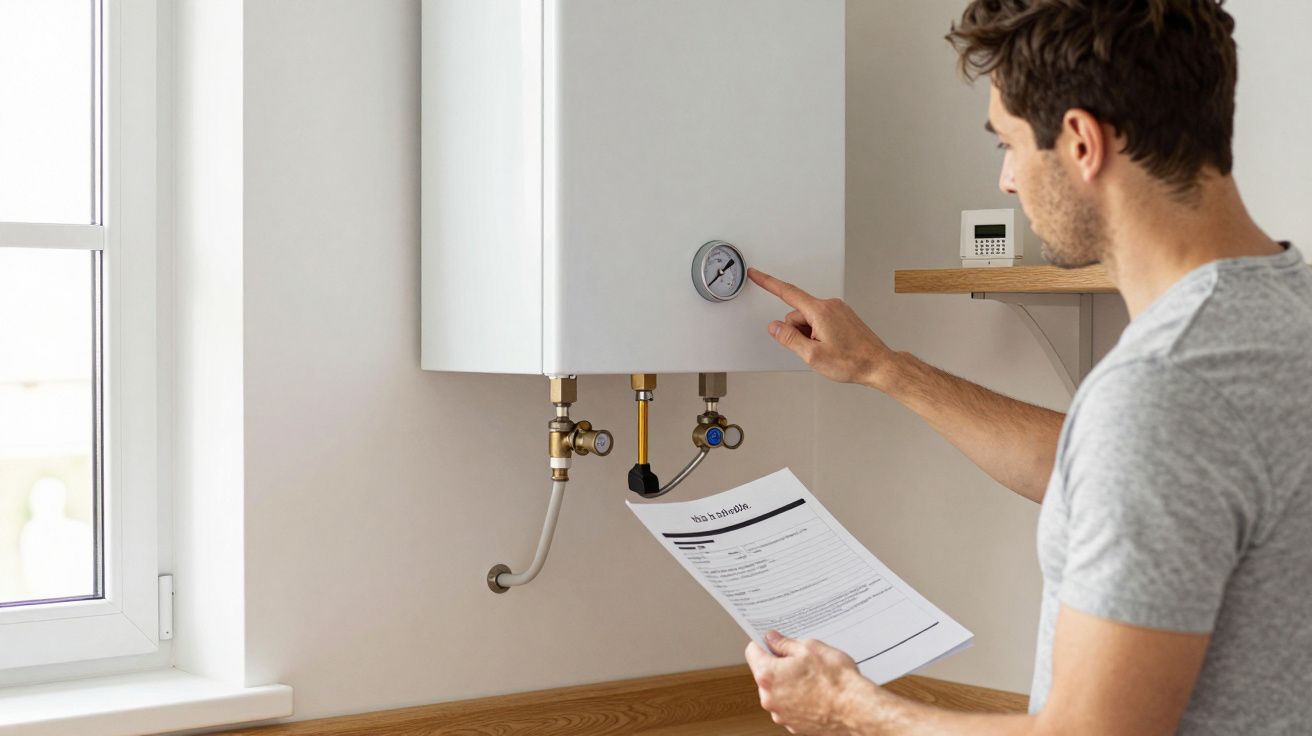
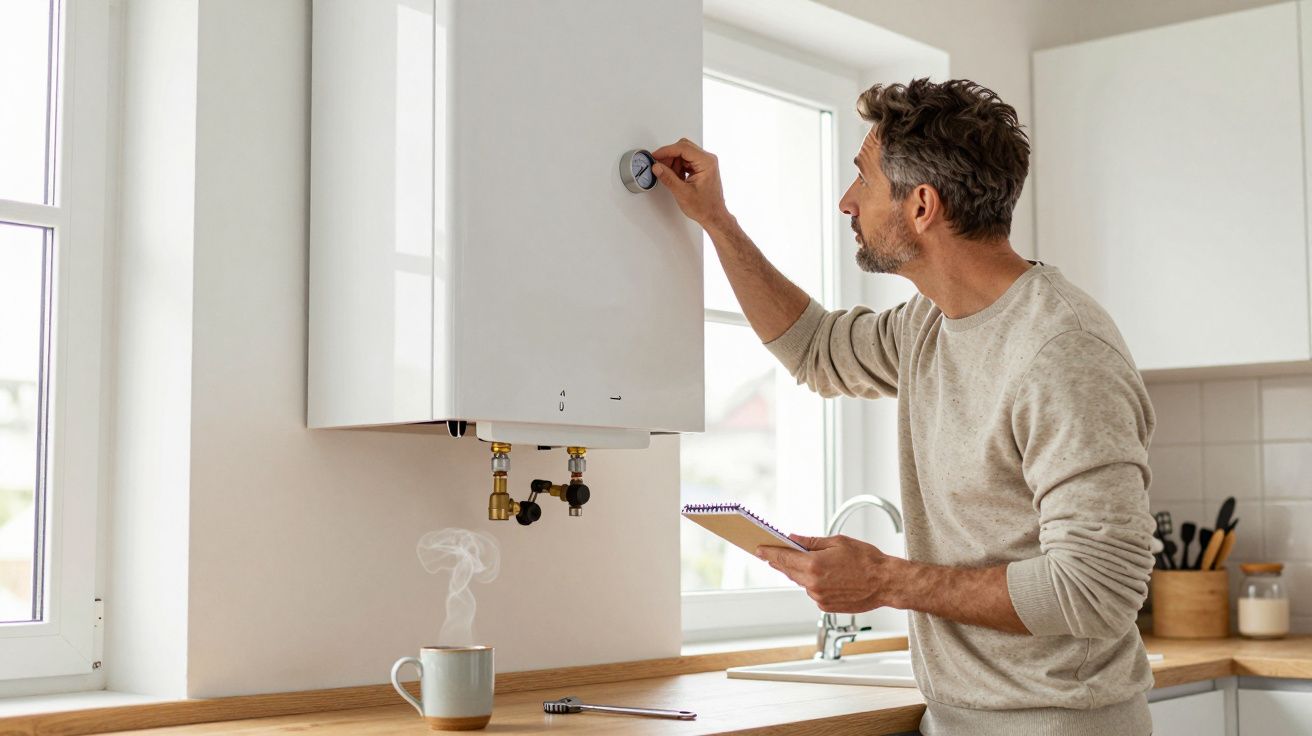
After bleeding, check your boiler gauge and top up only according to your manufacturer’s instructions. If pressure keeps falling, don’t keep topping up as a routine; persistent loss points to a leak or a failing component.
Mistake 4: Setting the boiler flow temperature too high “just in case”
Many homes run hotter than necessary because the boiler flow temperature has been left on a winter maximum year‑round. That can make rooms heat aggressively, increase cycling, and reduce efficiency-particularly on condensing boilers, which perform best when return water is cooler.
A sensible goal is comfort first, then efficiency: once radiators heat evenly, you can often lower flow temperature and still feel warmer because the system runs more steadily.
Mistake 5: Treating TRVs like a master switch (or forgetting them entirely)
TRVs are room‑by‑room limiters, not the main control for the whole house. If you turn them all down and rely on one room thermostat, you can create weird knock‑on effects: the thermostat room satisfies quickly while other rooms never catch up.
On the flip side, leaving every TRV wide open can overheat bedrooms and waste energy. A practical baseline many households use is:
- Living areas: mid to higher settings during occupied hours
- Bedrooms: lower, steady settings
- Spare rooms: low frost protection where appropriate (not fully off if pipework is at risk)
Mistake 6: Blocking radiators with furniture and heavy curtains
It sounds obvious, yet it’s one of the most common winter comfort problems. A radiator behind a sofa is not heating the room efficiently; it’s heating the back of the sofa and the wall space behind it.
Even small changes help: pull curtains clear, leave a gap behind furniture, and vacuum dust from grilles and fins so air can move properly.
Mistake 7: Using “quick hacks” instead of fixing the underlying issue
Foil behind radiators, blasting fan heaters in one room, or keeping the heating on all day because “it’s cheaper than reheating” can all mask a distribution problem. They often cost more in the long run because they avoid the real question: why does one area lag?
Before buying add‑ons, check the fundamentals: radiator balance, system pressure, sensible scheduling, and controls that match how you actually use the house.
Mistake 8: Skipping the boring maintenance until something breaks
Many winter call‑outs are preventable: noisy pumps, sticking valves, sludge‑affected radiators, and boilers that haven’t been serviced in years. Maintenance is not just about breakdown risk; it’s about keeping the system controllable so you don’t overcompensate with higher settings.
Call an engineer sooner rather than later if you notice:
- Radiators cold at the bottom (even after bleeding)
- Brown water or repeated air in the system
- Frequent pressure drops
- Banging, kettling or persistent gurgling noises
- Leaks around valves or the boiler
A simple “reset” routine for the start of the season
You don’t need to do everything at once. A short, repeatable checklist catches most seasonal errors before they turn into a month of fiddling.
- Make sure radiators are unobstructed and TRVs move freely.
- Bleed only if needed, then check and correct boiler pressure.
- Run the heating from cold and spot uneven warm‑up across rooms.
- If the pattern is uneven, prioritise balancing (DIY or engineer).
- Once things are even, lower boiler flow temperature gradually and test comfort over a few days.
A central heating system that warms evenly is easier to run gently-and gentle, consistent settings are where comfort and efficiency tend to meet.


Comments (0)
No comments yet. Be the first to comment!
Leave a Comment