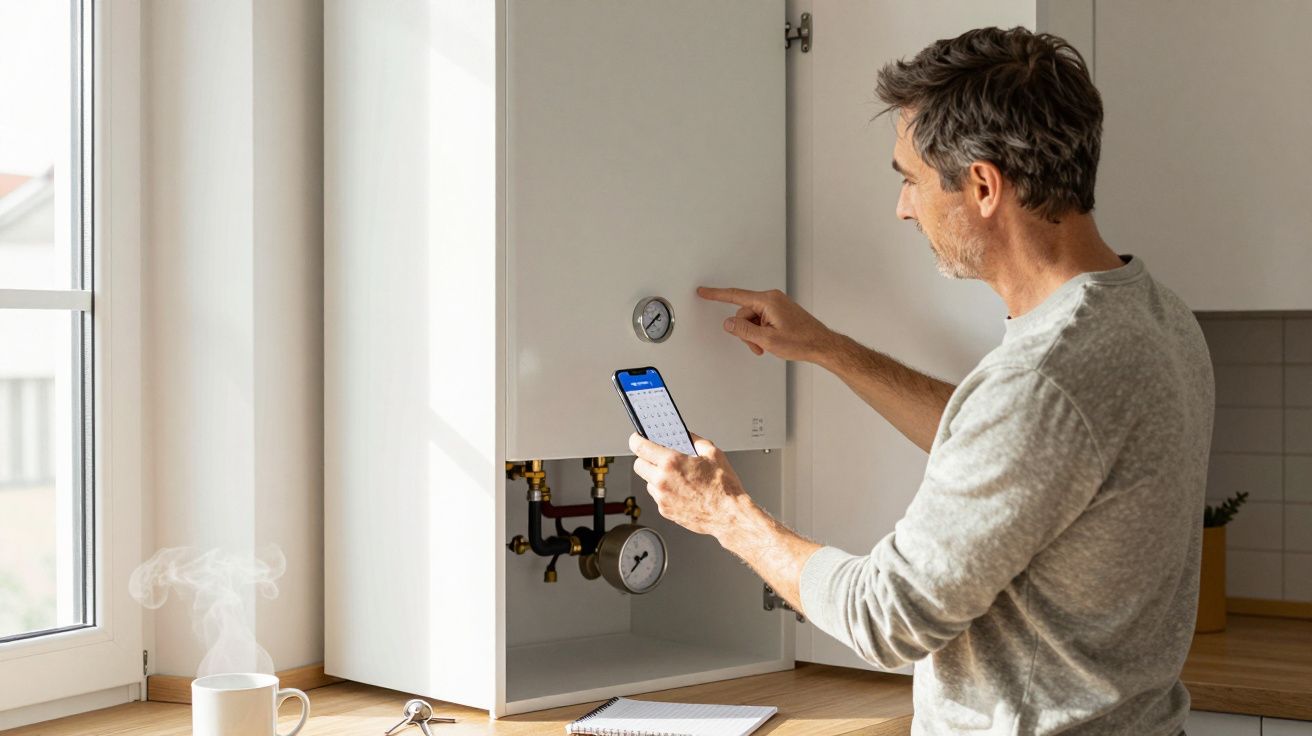
You notice it on the coldest morning: the radiators take longer, the hot water turns moody, and the boiler makes a noise you don’t quite trust. Boiler servicing sits quietly behind all of that, and a bit of engineer insight explains why the best results come from small, repeatable habits rather than heroic fixes. It matters because most breakdowns aren’t sudden disasters - they’re slow, avoidable wear that finally gets loud when you need heat the most.
Engineers see the same pattern in call-outs: the homes with boring routines get fewer emergencies, lower bills, and less stress. The homes that “wait until it goes wrong” pay in weekends, parts, and cold showers.
The engineer’s rule: maintenance should feel unglamorous
There’s a reason seasoned engineers sound almost dull when they talk about prevention. The goal isn’t to make your system impressive - it’s to keep it predictable, safe, and efficient for as long as possible.
Think of it like the dishwasher filter or a computer backup: one neglected, hidden thing makes everything else work harder. Boilers are no different. A tiny drop in pressure, a blocked condensate pipe, or sludge in the system doesn’t look dramatic until it suddenly is.
“Most ‘random’ boiler failures are just small warnings that got ignored for months.” - a Gas Safe engineer, West Midlands
Habit 1: Book boiler servicing early - and keep it consistent
Annual boiler servicing is the backbone habit engineers trust because it catches the boring problems before they become expensive ones. During a proper service, the engineer checks combustion and safety devices, looks for leaks and corrosion, cleans key components where needed, and confirms the boiler is operating within spec.
The timing matters more than people think. If you leave it until the first cold snap, you’re competing with everyone else and you’re more likely to postpone when slots vanish. Book it in late summer or early autumn and it becomes a simple calendar event, not a panic.
What to ask for (because good customers get better outcomes):
- Confirmation the engineer is Gas Safe registered and qualified for your boiler type
- A quick explanation of any readings (pressure, flue integrity, combustion checks where applicable)
- Advice on whether inhibitor levels and system condition look healthy
- Notes on any parts showing early wear, not just the “pass/fail” result
Habit 2: Treat pressure like a weekly glance, not a mystery
Pressure issues are one of the most common “it’s broken” calls that aren’t actually a breakdown. Most combi boilers want the pressure in a normal range when cold (often around 1–1.5 bar, but check your manual). If it’s consistently low, you can lose heating efficiency or trigger a lockout; if it’s too high, you risk stress on components and discharge through the relief valve.
Make it a two-minute routine when you’re already in the kitchen: glance at the gauge once a week. You’re not fiddling; you’re spotting trends.
If the pressure keeps dropping, topping it up repeatedly isn’t a fix - it’s a clue. Engineers will look for leaks on radiators/valves, a failing expansion vessel, or a pressure relief valve weeping. Catching it early usually keeps the job smaller.
Habit 3: Keep the area around the boiler clear (it’s not just tidiness)
Boilers need airflow and access. Storing paint tins, cardboard boxes, or piles of laundry right up against the case makes servicing harder and can introduce dust and humidity where you don’t want it.
It also changes behaviour. If the cupboard is a mess, you’re less likely to notice a slow drip, a staining mark, or a new rattle. A clear space makes small changes visible - and small changes are what prevent call-outs.
A simple standard that engineers love: you should be able to open the cupboard and see the pipework and underside of the boiler without moving anything.
Habit 4: Bleed radiators once a year - then balance if needed
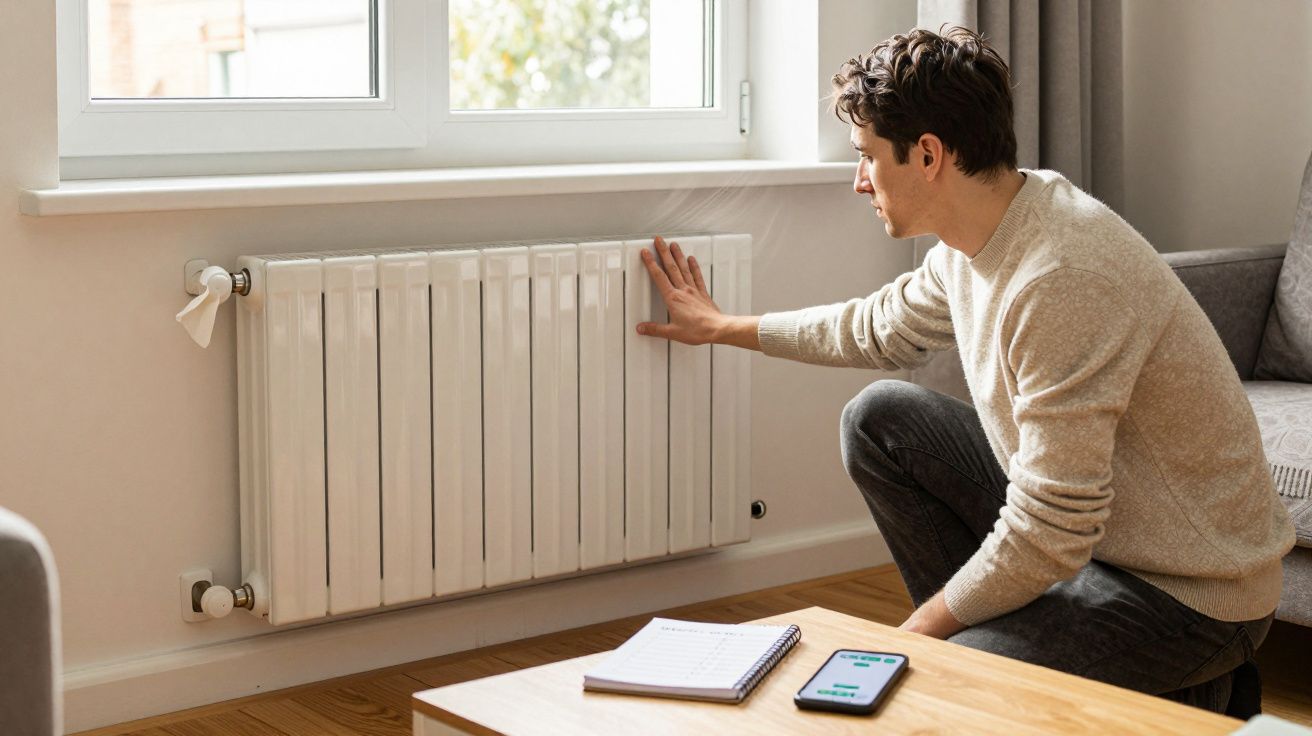
If your radiators have cold patches at the top, gurgle, or heat unevenly, air may be trapped. Bleeding is simple, but it’s the follow-up that many people miss: check boiler pressure afterwards and top up if required.
If some rooms heat fast and others lag behind every winter, consider radiator balancing. Engineers swear by it because it reduces strain: the boiler cycles less, rooms warm more evenly, and you stop overcooking one space to warm another.
Quick signs balancing might help:
- Upstairs radiators get hot while downstairs stays lukewarm
- The nearest radiator to the boiler heats first every time
- Thermostat rooms overshoot while other rooms never catch up
Habit 5: Don’t ignore “small” noises, smells, or resets
A boiler that needs frequent resetting is communicating. So is kettling (that rumbling, boiling-kettle sound), new banging in pipework, or a faint whiff you can’t place.
Engineers tend to ask three questions on the phone because they narrow it down quickly:
- When did it start - after a power cut, cold weather, or a system top-up?
- Is it heating, hot water, or both that’s affected?
- Is the pressure stable, and are there any visible leaks?
Write the answers down. You’ll save time, and you’ll help the engineer bring the right parts or plan the right checks.
Habit 6: Protect the system water (inhibitor and sludge checks)
Inside a sealed heating system, water quality is everything. Sludge and corrosion products reduce flow, damage pumps and heat exchangers, and create cold spots in radiators. Inhibitor chemicals help protect the metalwork, but they don’t last forever - they dilute when you drain radiators or do plumbing work.
This is where engineer insight is blunt: if your system is old, repeatedly losing pressure, or has never had its water health checked, you’re gambling with expensive components. A magnetic filter (where suitable) and occasional powerflush are not “nice extras” in the wrong system - they’re life extension.
Make it a tiny routine your future self will thank you for
The best maintenance habits are the ones you can do without a big mood, a free weekend, or a YouTube spiral. Tie them to things you already do: unloading shopping, cleaning the kitchen, changing the clocks.
A simple cadence that keeps engineers happy:
- Weekly: glance at pressure; listen for anything new
- Seasonally: bleed radiators; test heating before the first cold snap
- Annually: boiler servicing; ask about inhibitor and system condition
- Whenever work is done: confirm inhibitor was topped up and pressure is stable
| Habit | Frequency | Why engineers rate it |
|---|---|---|
| Book boiler servicing early | Yearly (late summer/autumn) | Fewer failures, safer operation, easier scheduling |
| Pressure “quick look” | Weekly | Spots leaks and expansion issues early |
| Bleed and check system health | Yearly + as needed | Better heat, less sludge stress, fewer lockouts |
FAQ:
- Why does boiler servicing matter if the boiler “seems fine”? Because safety checks and early wear signs don’t announce themselves until they’re costly. A service is designed to catch the quiet problems.
- How often should I check boiler pressure? A weekly glance is enough for most homes. If it changes often, note the pattern and get it investigated rather than topping up endlessly.
- Is bleeding radiators always safe to DIY? Usually, yes, if you’re confident and careful, but you must check pressure afterwards. If you have persistent air, frequent top-ups, or leaks, call an engineer.
- Do I need a powerflush? Not automatically. Engineers usually recommend it when there are cold spots, repeated component issues, dirty system water, or evidence of sludge restricting flow.
- When should I book a service? Before the rush - late summer to early autumn. You’ll get better availability and you’re less likely to face a first-cold-week breakdown.





Comments (0)
No comments yet. Be the first to comment!
Leave a Comment