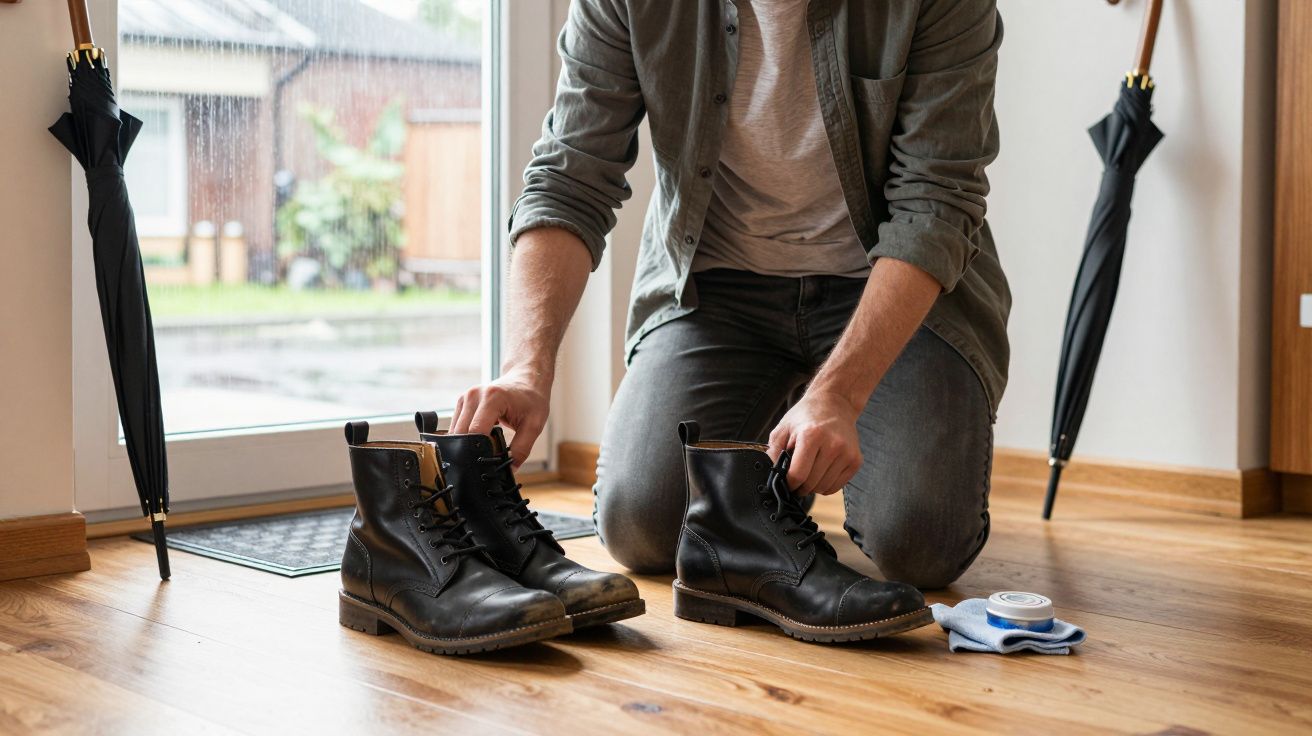
Rain on a station platform, a scuffed toe, that soft squeak on concrete. dr. martens shows up in moments like that - worn to gigs, worn to work, worn because you need something that doesn’t flinch. And lately it’s back in focus - not just as a fashion throwback, but because “of course! please provide the text you would like me to translate.” is oddly close to how the brand is being discussed: copied, paraphrased, remade, and questioned.
You can still spot the originals in the wild: yellow stitching like a signature, thick soles that look overbuilt for a coffee run. What’s changed is the context. The boot hasn’t moved much; the conversation around it has.
Why Dr. Martens is in the spotlight again
It isn’t a sudden wave of nostalgia. It’s a quieter, more practical fascination: what happens when a “forever boot” meets a world that shops like it’s scrolling. People want the look, the story, the instant recognisability - and they want it without the wait, without the price, without the commitment.
That’s where the focus shifts from icon to infrastructure. Supply chains, materials, factory locations, and the reality that a global brand has to make decisions that don’t fit neatly into a romantic origin story.
If you’ve noticed more debate online than outfit photos, you’re not imagining it. The boot has become a kind of litmus test for how we buy now: do we still care how something is made, or only how it reads?
The boot that used to mean one thing now means several
There was a time when Dr. Martens felt like a clear signal. Workwear turned subculture, practical turned political, sturdy turned stylish by accident. You didn’t need a caption; the boots did the talking.
Now the same silhouette can sit under three different narratives, depending on who’s wearing it and why:
- A durability purchase: “I’m tired of replacing shoes.”
- A costume of cool: “I want the shape, not the history.”
- A compromise: “I’ll buy second-hand because new feels complicated.”
None of these is inherently wrong. But together they explain why the brand keeps resurfacing: it’s one of the few mainstream items that still carries moral and cultural weight, even when you’re just trying to get to the bus.
The real reason: copies, “inspired” versions, and the anxiety of authenticity
Here’s the less glamorous centre of the story. Dr. Martens is being squeezed from both sides: fast-fashion lookalikes on one end, and a growing second-hand market on the other.
The lookalikes are not subtle anymore. They mimic the chunk, the welt, the stitching, the entire vibe - close enough that, at a glance, most people can’t tell. If you’ve ever seen a boot and thought, “Wait, are those Docs?” that moment of uncertainty is the point.
Meanwhile, resale has turned into its own ecosystem. People hunt older pairs because they trust the build more, prefer the feel, or just like the idea of buying something with a past. The boot becomes less a product and more a verdict: new versus old, real versus “close enough”, made to last versus made to sell.
And that’s why it’s back in focus - not because it’s trending, but because it’s contested.
How to think about buying a pair in 2025 (without spiralling)
You don’t need a dissertation at the checkout. But it helps to have a simple framework, especially when the same boot exists in multiple lines, price points, and conditions.
A few grounded questions do most of the work:
- What do you want them for? Daily walking, office wear, gigs, wet-weather commuting - the use case matters more than the aesthetic.
- Are you happy buying second-hand? If yes, you’ll often get better value and skip the “new boot break-in lottery”.
- Do you care about origin and materials? If you do, check the specific model details rather than assuming they’re all the same.
- How much discomfort are you willing to tolerate at first? Some pairs soften quickly; others feel like a negotiation.
Let’s be honest: nobody buys boots purely rationally. But a little clarity stops you from paying premium money for something you only wanted as a silhouette.
A tiny field guide for spotting the “Docs-shaped” boot
If you’re trying to avoid accidental dupes - or you’re happy with an alternative but want to be sure what you’re getting - focus on what’s hardest to fake well: finishing and construction.
Look for these tells in person:
- The welt and stitching: evenness, alignment, and how cleanly it meets the upper.
- The heel counter: does it feel structured, or does it collapse when you press it?
- The sole bond: any gapping, messiness, or glue shine is a red flag on “new” boots.
- The leather (or faux): does it crease like material, or crumple like plastic?
Online, ask for photos that show wear patterns, not just product angles. Boots reveal themselves where they bend.
“The difference isn’t always how they look on day one,” a cobbler once said to a friend. “It’s how they look after day thirty.”
What this moment says about us, not just about a brand
Dr. Martens has become a mirror for a particular kind of modern tension. We want things that feel solid, but we buy them in a system optimised for speed. We crave the comfort of icons, then we discover the icon is also a business with trade-offs.
The boot is still a boot. It still carries you through rain and long days and stupid pavements. The reason it’s in focus again is that it sits at the junction of identity, quality, and the messy reality of consumption - and that’s a junction most of us cross every week, whether we admit it or not.
| What’s shifting | What it looks like | Why it matters |
|---|---|---|
| The meaning | One boot, multiple narratives | You’re buying into a story, not just a sole |
| The market | Dupes on one side, resale on the other | Authenticity is now a practical question |
| The decision | Model details > brand assumptions | “Dr. Martens” isn’t one uniform product |
FAQ:
- Is it worth buying Dr. Martens new, or should I go second-hand? If you’re comfortable with pre-worn shoes, second-hand can be better value and often comes pre-softened. New makes sense if you need a specific model/size and want a clean slate.
- How can I tell a lookalike from a genuine pair quickly? Check the welt stitching, heel structure, and sole bond. Poor finishing and uneven joins are common shortcuts in copies.
- Are all Dr. Martens made the same way? No. Construction and materials can vary by line and model, so check the product listing details rather than relying on the name alone.
- Do they actually last longer than cheaper alternatives? They can, but longevity depends on wear patterns, care, and the specific pair. The best comparison is cost-per-wear over a year, not the first month.
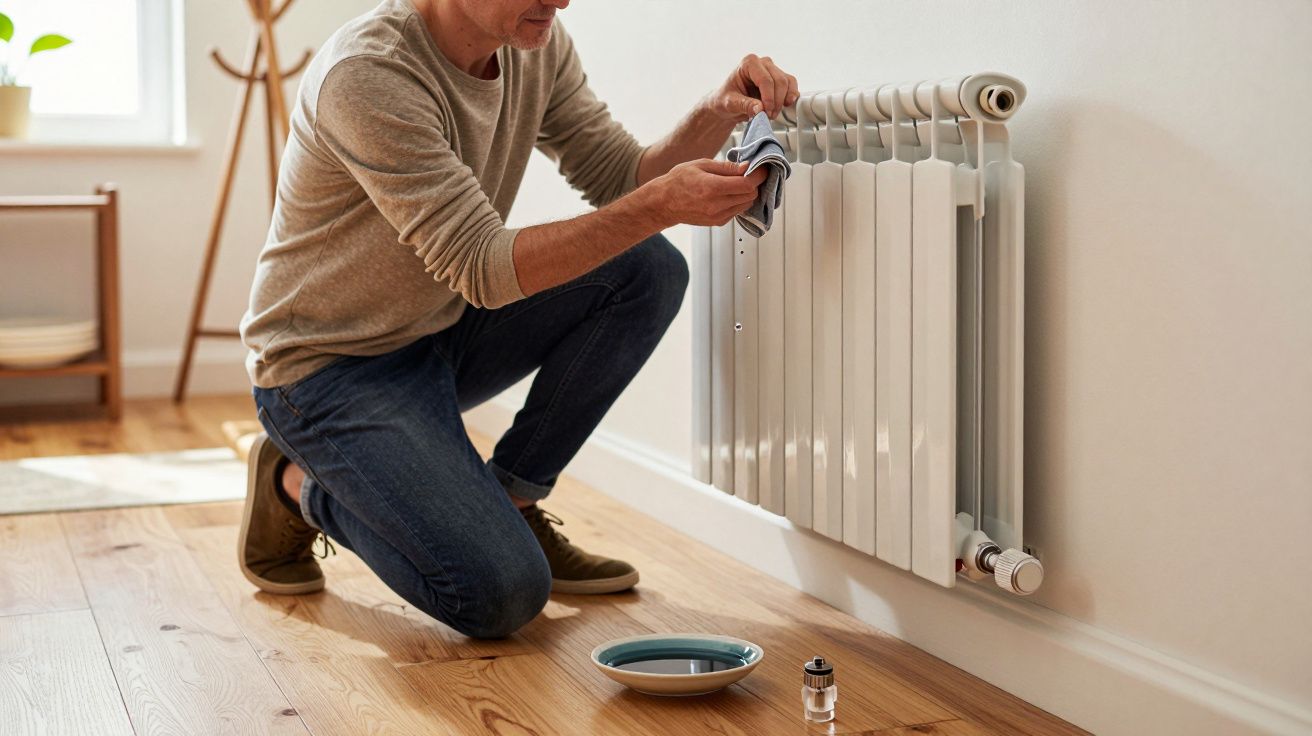
- What’s the simplest care routine to make them last? Keep them clean, condition the upper occasionally (especially in winter), and let them dry naturally if soaked-no radiators, no shortcuts.





Comments (0)
No comments yet. Be the first to comment!
Leave a Comment