High energy bills rarely come from one dramatic mistake. More often they’re the slow leak you can’t see - the little losses that add up while you’re busy getting on with life. The frustrating part is that energy efficient heating can be in place and still feel “expensive” if the heat is escaping, the system is fighting itself, or your home is quietly pulling in cold air.
I’m thinking of that familiar UK moment: you’ve nudged the thermostat up, the radiators are hot, and yet the living room still feels a bit sharp around the edges. The direct debit rises, you blame prices (fair), then assume your boiler must be on its last legs. Sometimes it is. Often, the real cause is more ordinary - and fixable.
The invisible culprits behind high bills
A home can lose heat like a colander loses water. You don’t notice it day-to-day because it’s distributed: a draft here, a cold surface there, a system cycling a bit too often.
The usual suspects aren’t glamorous, but they’re common across UK housing - especially older terraces, rentals, and “modernised” places where insulation and controls didn’t keep up with the new kitchen.
1) Draughts you’ve stopped noticing
Cold air doesn’t need a gap you can see. It sneaks through letterboxes, loft hatches, floorboard edges, poorly sealed window frames, and the little holes left behind by old cables and pipes.
When the house is constantly sipping cold air, your heating has to replace that heat over and over. You pay for comfort that doesn’t “stick”.
Quick tells:
- Curtains moving slightly when no window is open
- One room that never feels settled, even when the radiator is hot
- Cold ankles, warm head (especially in hallways and near doors)
2) Heat going into the wrong places
Plenty of homes heat spaces nobody lives in: hallways with no door, spare rooms with open vents, or the void under suspended timber floors. Even the loft can become a heat sink if the hatch isn’t sealed and insulated.
The bill looks like “we heat the house”, but in reality you’re heating the routes heat takes to escape.
3) A heating system running “fine” but inefficiently
This is the sneaky one. Boilers and heat pumps can be technically working, yet operating in a way that costs more than it should.
Common patterns:
- Flow temperature set higher than necessary (especially on combi boilers)
- Thermostat placed in a warm spot, so the rest of the house overcompensates
- Radiators out of balance, causing short cycling and uneven rooms
- Schedules that heat the home when you’re asleep or out, then scramble to catch up
You feel it as inconsistency. You pay for it as waste.
4) Limescale and sludge quietly choking performance
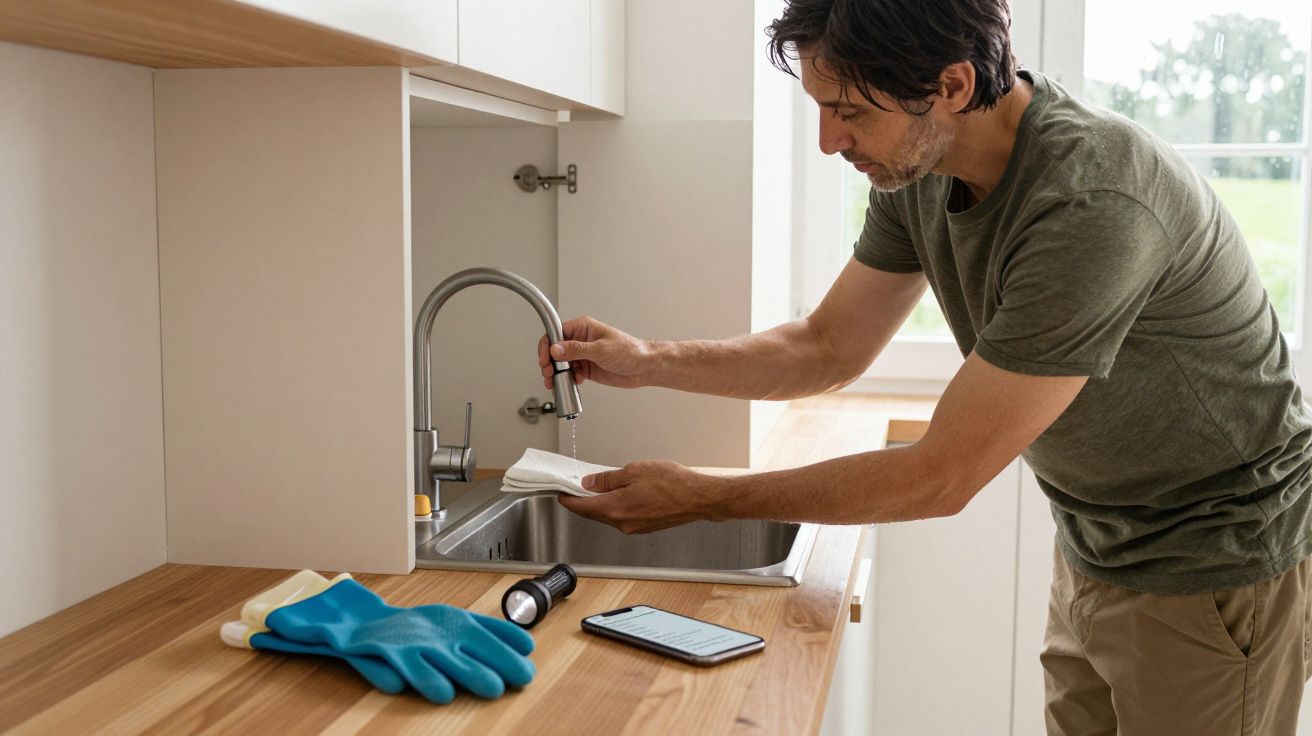
In many UK areas, hard water deposits scale on hot water components. Separately, older systems can build up sludge in radiators and pipework. Both reduce heat transfer and force the system to work harder for the same warmth.
It’s not always obvious until you compare rooms: one radiator scorching at the top but cool at the bottom, or hot water that seems to lose its “oomph” sooner than it used to.
A simple “invisible losses” check you can do this week
You don’t need to become an energy auditor. You just need a short routine that spots the big leaks first, before you spend on anything major.
The 20‑minute walkthrough
Pick a cold evening when the heating is on and the outside air is still.
- Stand by external doors and closed windows. Use the back of your hand to feel for moving cold air around frames and letterboxes.
- Check the loft hatch. If it’s cold to the touch or visibly unsealed, it’s a heat highway.
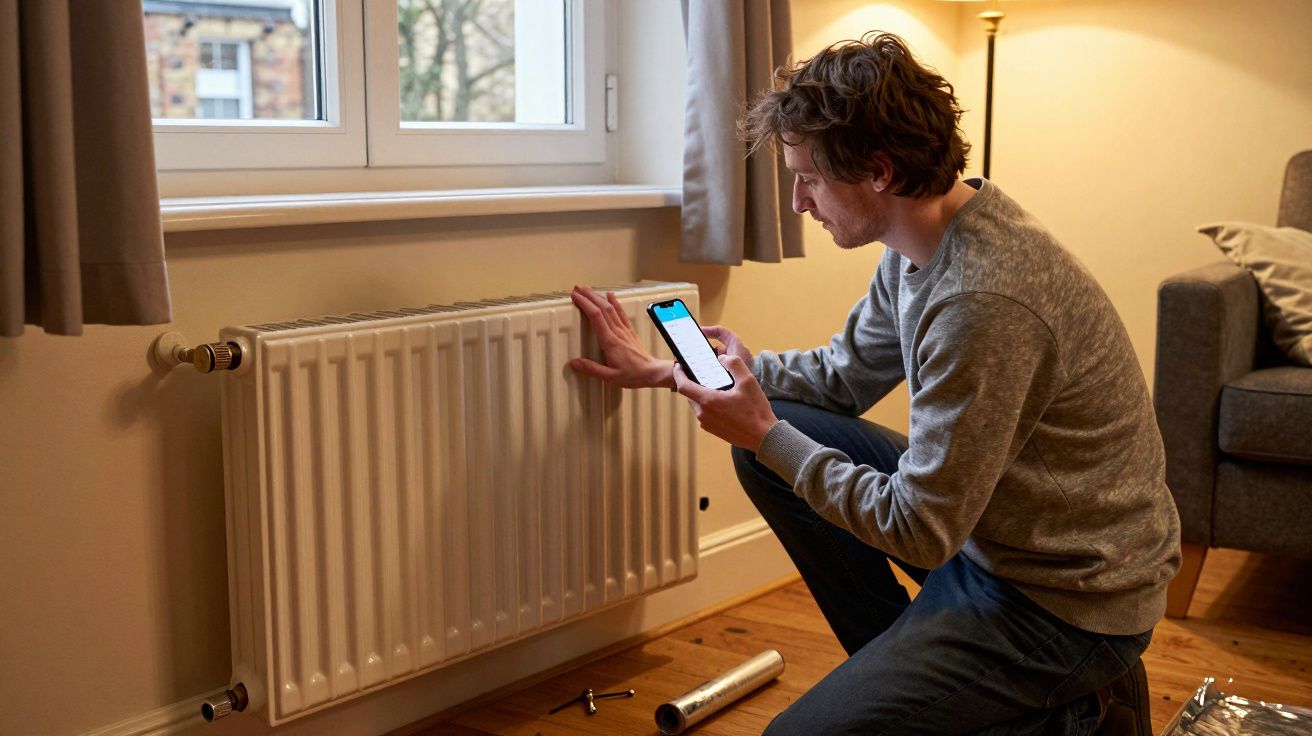
- Look behind radiators. If it’s an external wall and there’s no reflector (or the wall feels icy), you’re losing heat straight outdoors.
- Feel radiator temperature top-to-bottom. Big differences can mean air, balancing issues, or sludge.
- Review your schedule. If you’re heating empty hours “just in case”, that’s often a larger cost than you think.
Don’t aim for perfection. You’re hunting for the one or two big offenders that make the rest of the house feel harder to heat.
What actually moves the needle (without a full renovation)
People jump straight to “new boiler” because it feels like a single, decisive answer. Sometimes that’s right. But lots of households can cut waste first, then let energy efficient heating do its job properly.
Low-cost fixes that pay back fast
- Draught-proof the basics: letterbox brush, door sweeps, keyhole covers, simple sealant for obvious gaps
- Bleed radiators and make sure the system pressure is correct (follow your boiler manual)
- Reflective foil behind radiators on external walls (especially in small rooms)
- Close doors or add a curtain to stop heat pouring into hallways and stairwells
- Lower the boiler flow temperature (many combis run higher than needed; reduce gradually and see if comfort holds)
Medium effort, high impact
- Proper loft insulation and an insulated loft hatch cover
- Heating controls that match real life: smart TRVs or at least working thermostatic valves and a sensible schedule
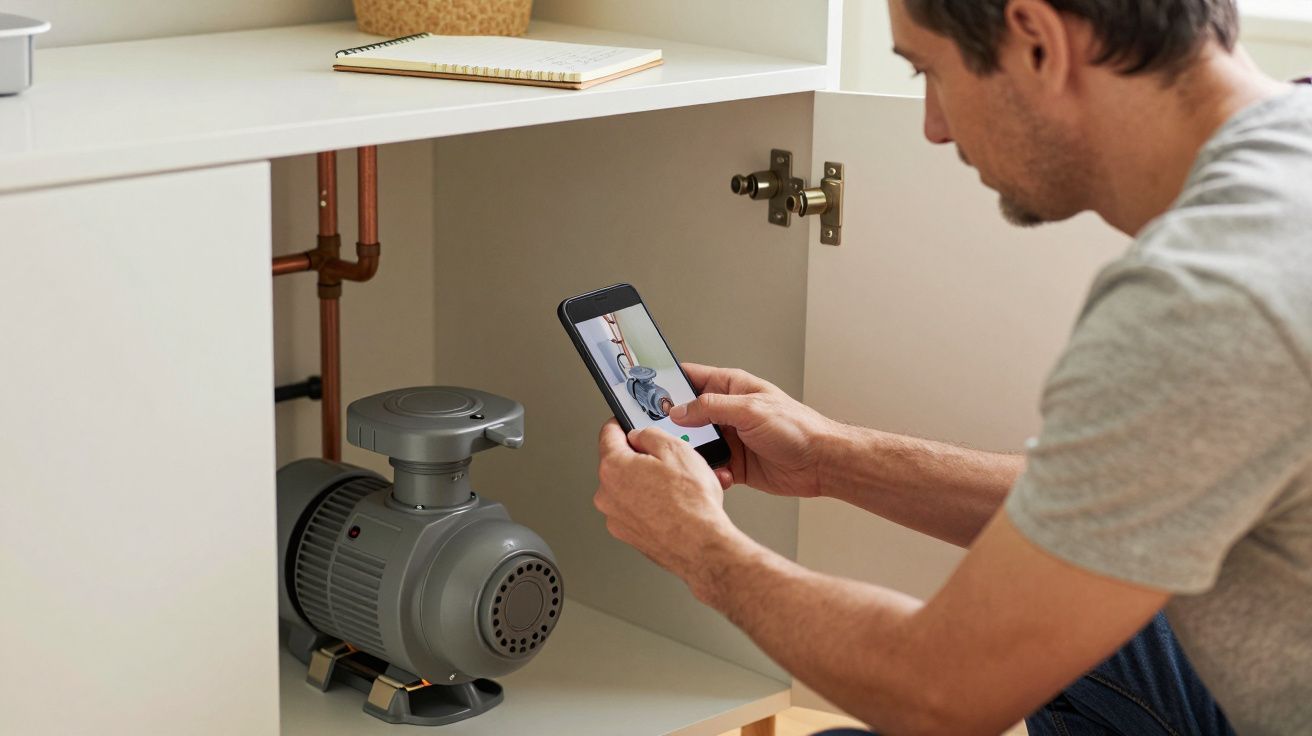
- System clean / powerflush if radiators have cold spots and you’ve ruled out simple bleeding and balancing (get a professional opinion)
If you rent, you can still do the draught and control pieces, and you can ask the landlord about insulation and system health with specific evidence (cold spots, short cycling, unsealed hatch).
The uncomfortable truth: bills are partly prices - but also behaviour and physics
Energy costs in the UK have risen, and plenty of high energy bills are simply the new normal for certain homes. But “normal” doesn’t mean “unchangeable”.
Heat follows physics, not intentions. If your home is leaking warmth, you can run the heating longer, or you can make the warmth stay.
Once the invisible losses are reduced, energy efficient heating stops feeling like a promise and starts feeling like a result: steadier rooms, fewer thermostat battles, and a bill that at least makes sense.
When to bring in a professional (and what to ask)
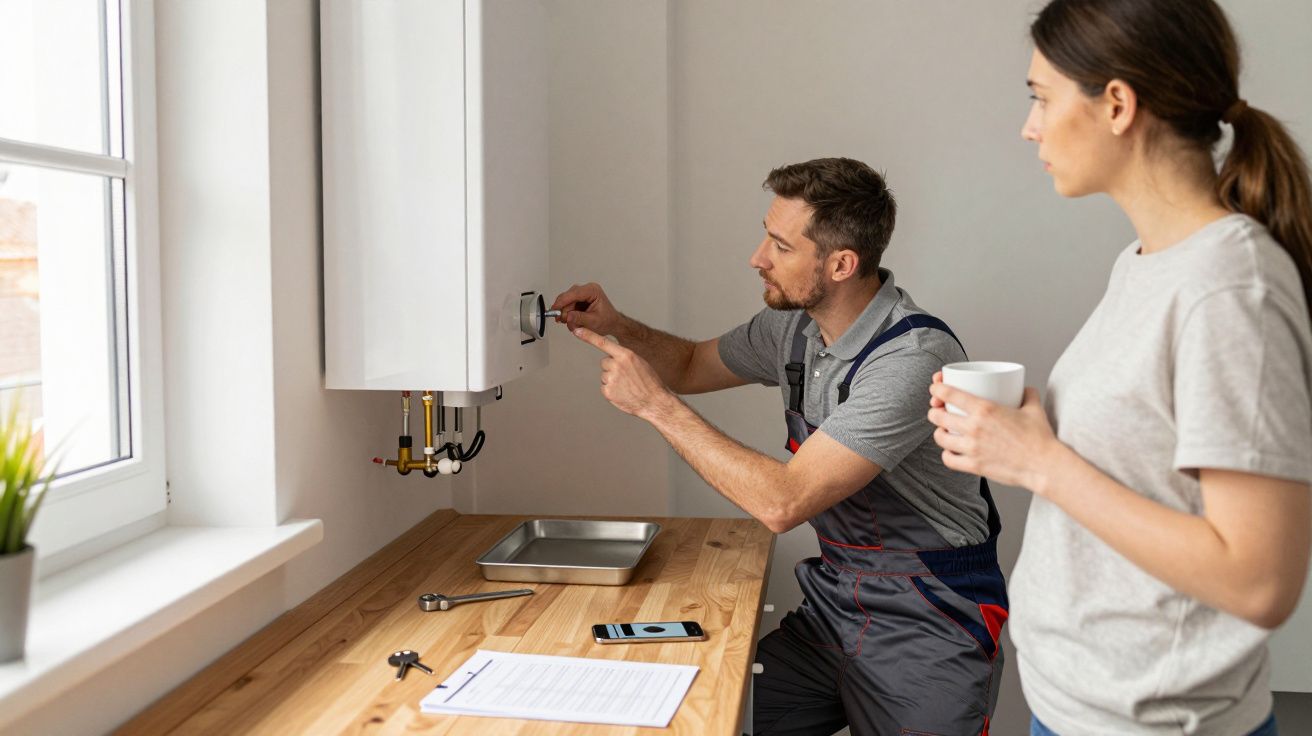
If you’re seeing repeated issues, it’s worth getting a heating engineer or energy assessor involved - but go in with clear questions so you don’t just buy the most expensive option.
Ask about:
- Whether your boiler/heat pump is short cycling and why
- Whether radiators are balanced, not just “on”
- Your flow temperature and recommended settings for your home
- Signs of sludge or scale, and the most proportionate fix
A good pro won’t just sell hardware. They’ll explain the system behaviour.
FAQ:
- Why are my radiators hot but the room still cold? Often it’s draughts, poor insulation, or heat being lost through external walls and windows faster than the radiator can replace it. It can also be uneven radiator performance due to balancing or sludge.
- Is turning the thermostat down always the best way to cut costs? It helps, but the bigger wins often come from stopping heat escaping and improving control, so you can stay comfortable at a lower setting rather than just feeling chilly.
- Do I need a new boiler to get energy efficient heating? Not always. Controls, correct flow temperature, balanced radiators, and insulation can make an existing system much more efficient. Replace equipment when it’s failing, unsafe, or clearly uneconomical to repair.
- What’s the quickest sign my system might need attention? Radiators with cold bottoms, frequent on/off cycling, noisy pipework, or hot water performance dropping can all point to air, balancing problems, or sludge/scale.



Comments (0)
No comments yet. Be the first to comment!
Leave a Comment