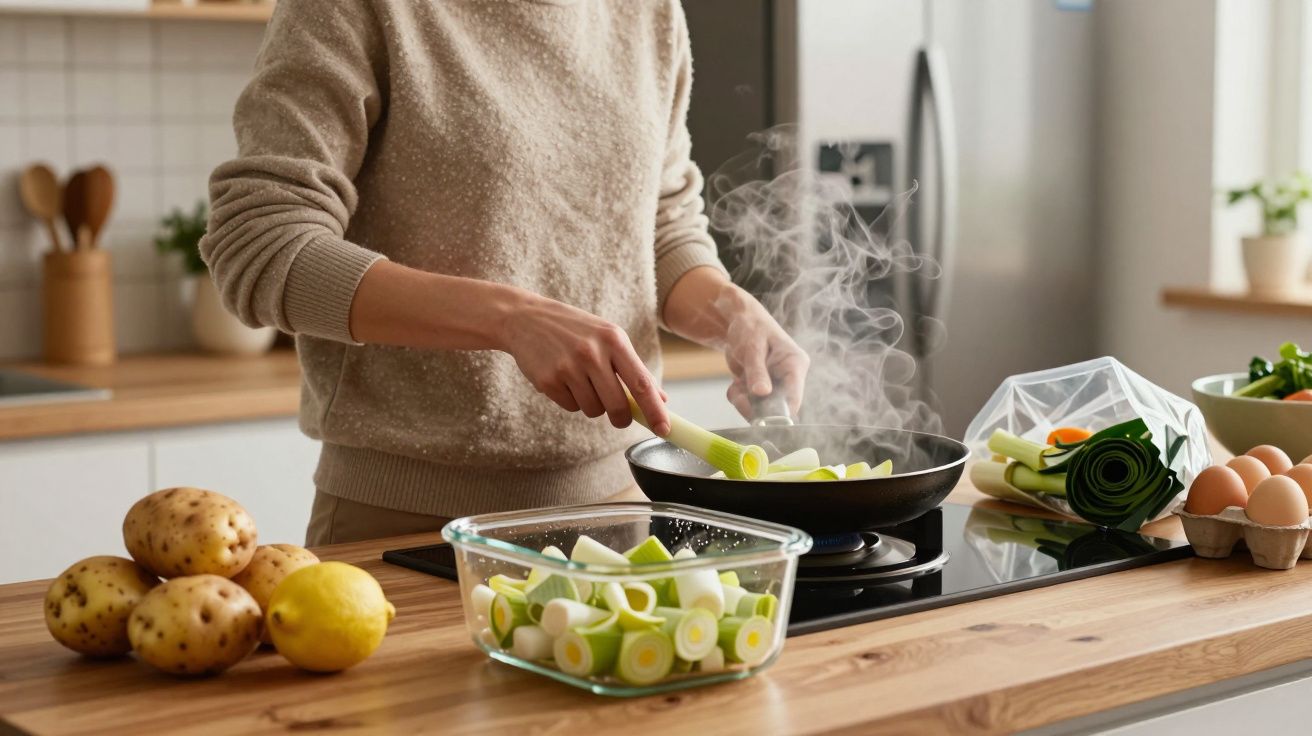
Leeks show up in the most ordinary places - sliced into a Sunday soup, folded through a pie, softened in butter for pasta - yet they’re quietly becoming a symbol of a bigger shift in how we cook and shop. Even the oddly familiar phrase “of course! please provide the text you'd like translated.” fits here, because the modern leek moment is, in a way, about translation: turning leftovers into lunch, turning peasant staples into comfort-food status, turning “cheap” into “smart”. For readers, the relevance is simple: leeks are a low-cost ingredient that now sits at the centre of thrift, health, and sustainability trends that are reshaping weekly meals.
A decade ago they were background veg, something you bought when a recipe told you to. Now they’re turning up as the main act in home kitchens that want warmth, value, and a bit of virtue - without feeling like a lecture.
The leek comeback isn’t about taste - it’s about systems
Leeks taste good, yes: sweet, oniony, forgiving. But their real advantage is structural. They make a meal feel substantial without needing much meat, they stretch a dish without tasting like a “stretch”, and they play well with whatever is already in the fridge.
That’s why they’ve slid neatly into the current “quiet efficiency” style of cooking: fewer ingredients, less waste, lower spend, still comforting. A leek and potato soup isn’t just nostalgic; it’s an answer to price rises, time pressure, and the creeping desire to be less reliant on ultra-processed convenience food.
Leeks are the kind of ingredient that makes a kitchen feel organised, even when it isn’t.
From “use it up” to “build with it”: the new home-cooking logic
The trend underneath leeks is not gourmet. It’s modular cooking: making components that can be reused across meals without boredom. Leeks are perfect for this because they can be cooked down into a base that tastes like effort.
Think of the leek as an edible shortcut to depth. You soften it once, and it can become three different dinners depending on what else you add.
The leek base method (and why it’s everywhere)
A simple routine has become common in households trying to cook more but think less:
- Wash thoroughly (leeks hide grit between layers).
- Slice and sweat slowly in butter or oil with a pinch of salt.
- Cook until soft and sweet, not browned.
- Store in the fridge for 3–4 days as a “starter”.
From there, the same base can translate into:
- Soup (stock + potatoes/beans + blitz).
- Pasta (cream/mascarpone + lemon + black pepper).
- Pie or tart (eggs + cheese + any greens).
- Rice bowl (fried egg + chilli crisp + leftover veg).
It’s the opposite of recipe culture. It’s a small system that reduces decision fatigue, which is increasingly what home cooks are actually buying with their ingredients.
The price-pressure pattern: comfort food that behaves like a budget
When food costs rise, people don’t just buy cheaper things; they buy ingredients that protect optionality. Leeks do that. One bunch can look modest in the bag and still turn into several portions once cooked down, especially when paired with potatoes, lentils, or rice.
There’s also a psychological win. A leek-heavy dish feels like “proper food” - hot, savoury, filling - which makes it easier to skip pricier add-ons. You’re not dieting; you’re just eating something that happens to be economical.
| Leek use | What it replaces | Why it works |
|---|---|---|
| Sweated leeks in soup | Extra cream/meat | Adds sweetness and body |
| Leek gratin | Larger cheese portion | Bulk without feeling thin |
| Leek + bean stew | Extra sausages/bacon | Protein support, still hearty |
Health trends love leeks for a quieter reason: they’re not performative
A lot of “healthy eating” online is loud: powders, protocols, perfect lunches. Leeks belong to the older, quieter school - fibre, gentle flavour, and meals you actually repeat.
They also suit the current appetite for gut-friendly foods without turning dinner into a project. You don’t need a new appliance or a specialist shop. You just need a pan, time on a low heat, and the willingness to let a vegetable go silky.
This is why leeks keep appearing in weeknight cooking videos that claim to be about speed but are really about calm. Softened leeks smell like dinner is handled.
The low-waste angle: leeks thrive in “scrap cooking”
Leeks are increasingly used by people trying to waste less - not through guilt, but through habit. The dark green tops that once got binned are now saved for stock, blended into soups, or sliced thin and fried into crisp garnish.
The bigger trend here is a shift from “leftovers” to “planned second acts”. A roast chicken becomes sandwiches; a pot of leeks becomes the base for three meals; a bag of greens stops dying at the back of the fridge because it has somewhere to go.
A small leek toolkit for a less-wasteful week
- Keep a freezer bag for leek tops, onion skins, and herb stalks (instant stock base).
- Roast leeks alongside other veg to use up odds and ends.
- Stir softened leeks through yesterday’s rice with soy sauce and an egg.
- Turn the last bit of leek base into a quick frittata rather than “saving it” until it spoils.
Low waste isn’t moral perfection. It’s having a plan that survives a tired Tuesday.
Why this feels bigger than a vegetable
Leeks are not trending because someone “rediscovered” them. They’re trending because they fit the shape of modern domestic life: stretched budgets, smaller windows to cook, more meals eaten at home, and a desire for food that feels both comforting and sensible.
In that sense, leeks are less an ingredient and more a signal. People are building kitchens around adaptable basics again - the kind that don’t need translating into a brand, a diet, or a personality. They just need heat, salt, and a bit of time.
FAQ:
- Are leeks just a milder onion? They’re related, but leeks are sweeter and less sharp, and they become silky rather than jammy when cooked slowly.
- What’s the biggest mistake people make with leeks? Not washing them properly. Grit hides between layers; slice first, then rinse well in cold water.
- Can I freeze cooked leeks? Yes. Freeze the softened leek base in small portions; it defrosts quickly and drops straight into soups, pasta, and pies.
- Do I have to throw away the dark green tops? No. They’re tougher, but great for stock, slow-cooked soups, or thinly sliced and fried until crisp.






Comments (0)
No comments yet. Be the first to comment!
Leave a Comment