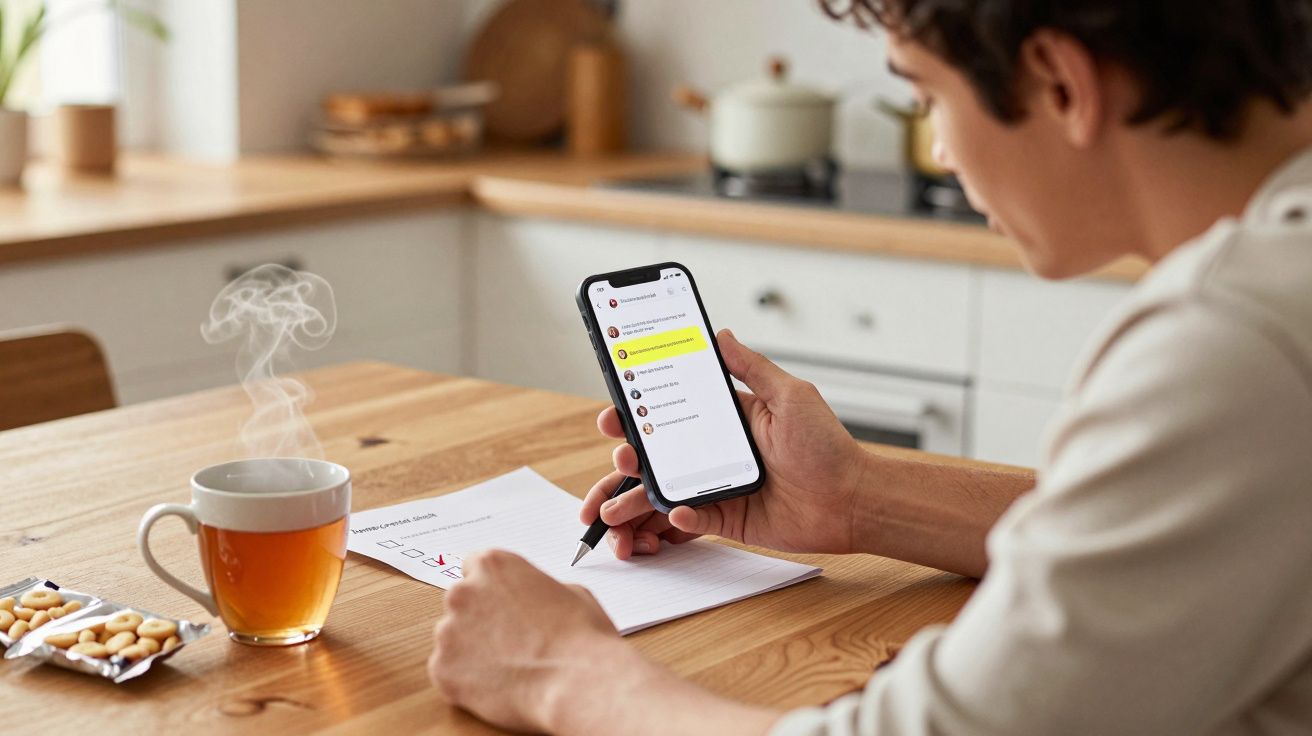
McVitie’s has been cropping up in conversations again - not just as the biscuit you dunk with a cup of tea, but as a strange little flashpoint in how brands talk online. And yes, the phrase “of course! please provide the text you would like me to translate.” is part of it, turning up where it absolutely shouldn’t and making people wonder what’s really being posted in their feeds. If you buy, share, or even just joke about everyday brands, this matters because it’s a neat example of how quickly trust can wobble when the internet feels… slightly automated.
You’ll have seen the pattern: a familiar name trends, screenshots spread, people pile in with hot takes, and suddenly everyone has an opinion about a packet of digestives. The twist is that the biscuits aren’t the point. The point is the modern brand voice - and what happens when it slips.
Why McVitie’s is “back” - and why it feels different this time
When a brand resurfaces, it’s usually for one of three reasons: a new product, a nostalgic moment, or a public misstep. This time it’s more like a fourth category: the eerie overlap between customer service scripts, social media banter, and the kind of stock phrasing you expect from a translation prompt.
That’s why people notice it. A biscuit brand is supposed to feel human and homely. When the tone suddenly resembles an automated reply, it hits the nervous system in a tiny but real way: wait, who’s actually talking to us?
The phrase itself is harmless in context. Out of context, it becomes a signal - not that something sinister is happening, but that the machinery of posting is showing through.
The real issue isn’t “AI”, it’s tonal whiplash
Most people don’t mind whether a brand uses automation. They mind feeling tricked, talked down to, or brushed off. The emotional sting often comes from mismatch, not technology.
Think about what you expect from McVitie’s:
- a warm, slightly cheeky British tone
- simple, confident messaging
- the sense that someone could plausibly be holding a mug and typing
Now compare that to a line like “of course! please provide the text you would like me to translate.” It’s overly eager, oddly formal, and completely unrelated to biscuits. The dissonance is what makes it shareable.
The internet is not allergic to automation. It’s allergic to a voice that doesn’t know where it is.
How these glitches spread (and why they stick to familiar brands)
A small oddity attached to a beloved, long-standing name travels faster than the same oddity attached to an unknown account. The brand acts like a megaphone.
It usually moves in a predictable loop:
- Someone spots the strange line in a reply, caption, or screenshot.
- Others repeat it as a joke, then as “proof” of whatever they already suspect.
- The brand either ignores it (and looks detached) or over-explains (and looks guilty).
- The story becomes about competence and authenticity, not the original error.
None of that requires a grand scandal. It just requires a moment that feels off in a place people expect comfort.
A simple “brand voice reset” that works better than a defensive statement
If you run social channels - for any organisation, not just big food brands - the fix is usually boring. Boring is good.
The three checks before you post or reply
- Context check: Does this sentence make sense if someone screenshots it alone?
- Tone check: Would a real person say this in a queue at Tesco?
- Job check: Is this reply trying to help, trying to charm, or trying to end the conversation?
Most awkward brand moments come from skipping the third one. A reply that tries to do all three tends to sound like a template. Templates aren’t evil; they’re just obvious when you can see the seams.
A better response style in practice
Instead of long clarifications, brands usually do better with:
- a short acknowledgement (one line)
- a plain-language correction (one line)
- a helpful next step (one line)
Not because people need less information, but because they’re checking for human steadiness before they listen to detail.
What readers can take from this (even if you don’t care about biscuits)
This is a tiny case study in a bigger shift: more of what you read online is scheduled, templated, or assembled from fragments. That doesn’t automatically make it untrustworthy. It does mean you’re going to keep seeing moments where the mask slips.
If you want a practical rule as a reader, it’s this: judge the follow-up, not the glitch. A one-off weird line is noise. A messy, defensive, or inconsistent response afterwards is the signal.
McVitie’s will still be McVitie’s in your kitchen drawer. But online, like every brand, it’s learning the hard way that people don’t just buy products. They buy coherence.
FAQ:
- Why would a phrase like “of course! please provide the text you would like me to translate.” appear on a brand channel? Usually because of copy/paste error, a misfired template, a tool used in the workflow, or someone posting from the wrong draft. The point is less “what tool” and more “why it wasn’t caught”.
- Does this prove brands are secretly using bots to talk to customers? Not on its own. Automation is common, but a single out-of-place line is not evidence of a fully automated account. Look for patterns: repeated mismatches, unanswered questions, or identical replies.
- What should a brand do when something like this goes viral? Keep it brief, correct it clearly, and return to normal service. Over-explaining often amplifies the story; ignoring it can make the brand look absent.
- How can I tell if a brand reply is genuine? You can’t know with certainty, but you can look for specificity: answering the actual question, using natural language, and offering a real next step (link, contact route, timeframe) rather than vague friendliness.




Comments (0)
No comments yet. Be the first to comment!
Leave a Comment