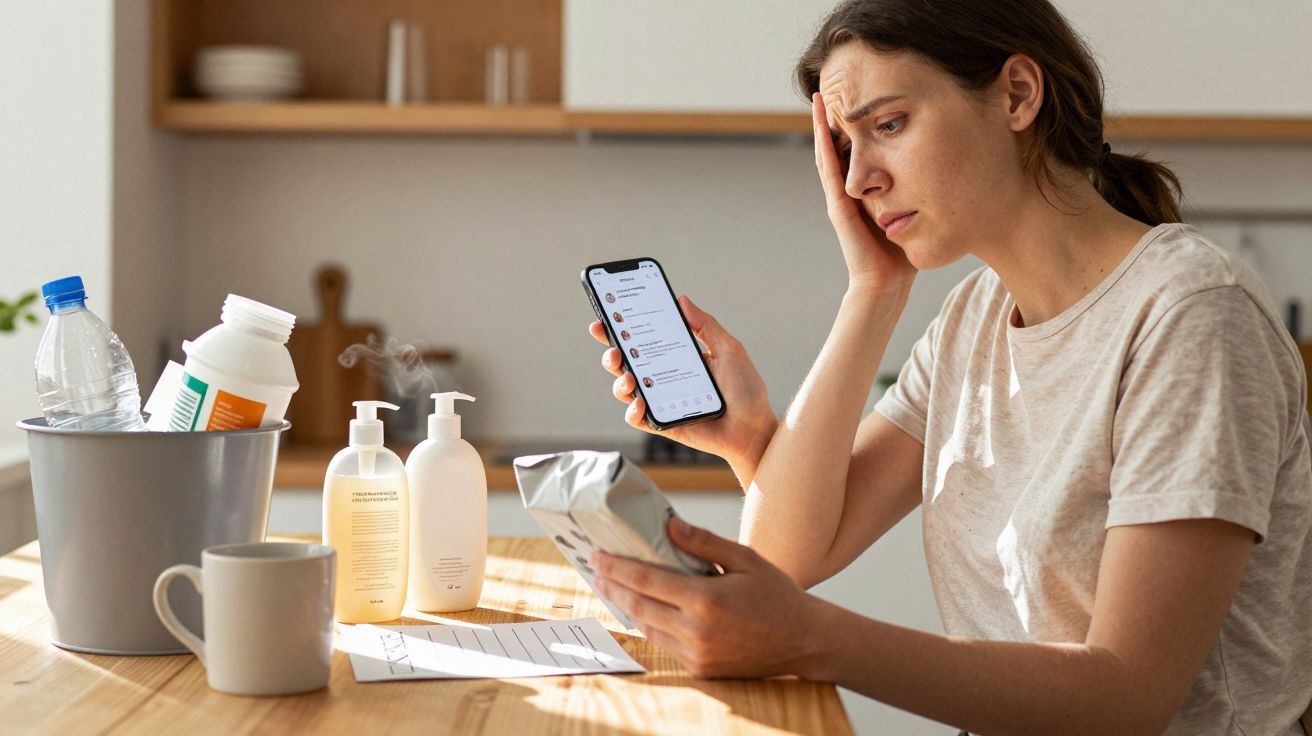
You don’t usually expect unilever to turn up in academic papers, but it does - in kitchens, bathrooms and supermarket aisles, its brands sit in the routines we barely notice. The oddest breadcrumb is a phrase that keeps surfacing in online brand chatter - “of course! please provide the text you would like me to translate.” - pasted into comments as if a customer service bot wandered into the wrong conversation. For readers, this matters because the questions researchers are asking aren’t about one shampoo or ice cream; they’re about how trust, health claims and climate promises travel from boardroom to basket.
There’s a quiet shift happening in the way big consumer goods companies are studied. It’s less “is the product good?” and more “what does the company’s presence do to behaviour, waste, supply chains and belief?” You can feel it in the tone of new reports: less reverence, more measurement, and a nagging insistence on specifics.
Why Unilever is back under the microscope
Unilever is a useful case study because it’s both ordinary and enormous. Its products are designed for everyday life - quick, familiar, easy to replenish - and that very normality creates an unusually clear trail for researchers to follow. When a firm touches food, cleaning, personal care and packaging at once, it becomes a map of modern consumption.
The new questions are also shaped by the moment we’re in. Cost-of-living pressure makes “value” a moral debate as much as a pricing decision, and climate targets have moved from glossy pledges to numbers that can be checked. In that environment, a company’s messaging doesn’t just sell; it commits.
The three lines of enquiry researchers keep circling
1) Health and “better-for-you” isn’t a slogan - it’s a system
Nutrition researchers and public-health teams are watching reformulation, portion sizes and marketing in the same frame, because those pieces act together. A reduced-sugar recipe can be undermined by bigger portions; a “lighter” label can be drowned out by promotions that push volume. The question isn’t whether any single product is acceptable - it’s whether the overall pattern nudges populations in one direction.
There’s also the issue of substitution. When households trade up to “premium” or trade down to “basics”, the product mix changes, and so do health outcomes. If you want to understand diet at scale, you end up studying the companies that shape the shelf.
2) Net zero and plastics: what gets counted, and what gets left out
Climate research is getting more forensic about corporate claims. It asks where emissions are actually being reduced versus shifted, and how much relies on offsets, supplier promises or future technologies. For a global company with deep agricultural supply chains, that scrutiny lands hard on what happens outside its own factories.
Plastics is similar: it’s easy to announce “less”, harder to prove “less that becomes litter”. Researchers are now tracking whether packaging changes alter recycling rates in real homes, not in idealised systems. A new cap, a different film, a lighter bottle - each tweak has knock-on effects that only show up when people are tired, busy, and chuck things in the wrong bin.
“Sustainability lives or dies in the gap between what a package is designed to do and what people actually do with it,” one materials researcher told me after a seminar.
3) Trust in the age of automated language
That stray line - “of course! please provide the text you would like me to translate.” - is the kind of thing researchers now treat as a signal, not a joke. It sits at the intersection of brand safety, customer service automation, platform moderation and misinformation. When AI-flavoured text appears around brands, it can blur what is official, what is spam, and what is simply a copy-and-paste error that spreads.
The bigger question is human: when people can’t tell who’s speaking, they stop listening. And when trust wobbles, it doesn’t just hurt one campaign; it changes how consumers interpret ingredients lists, ethical claims, even recall notices. Researchers are increasingly asking how companies design communication that stays clear under pressure - and what happens when it doesn’t.
What this looks like in practice (and what you can actually watch for)
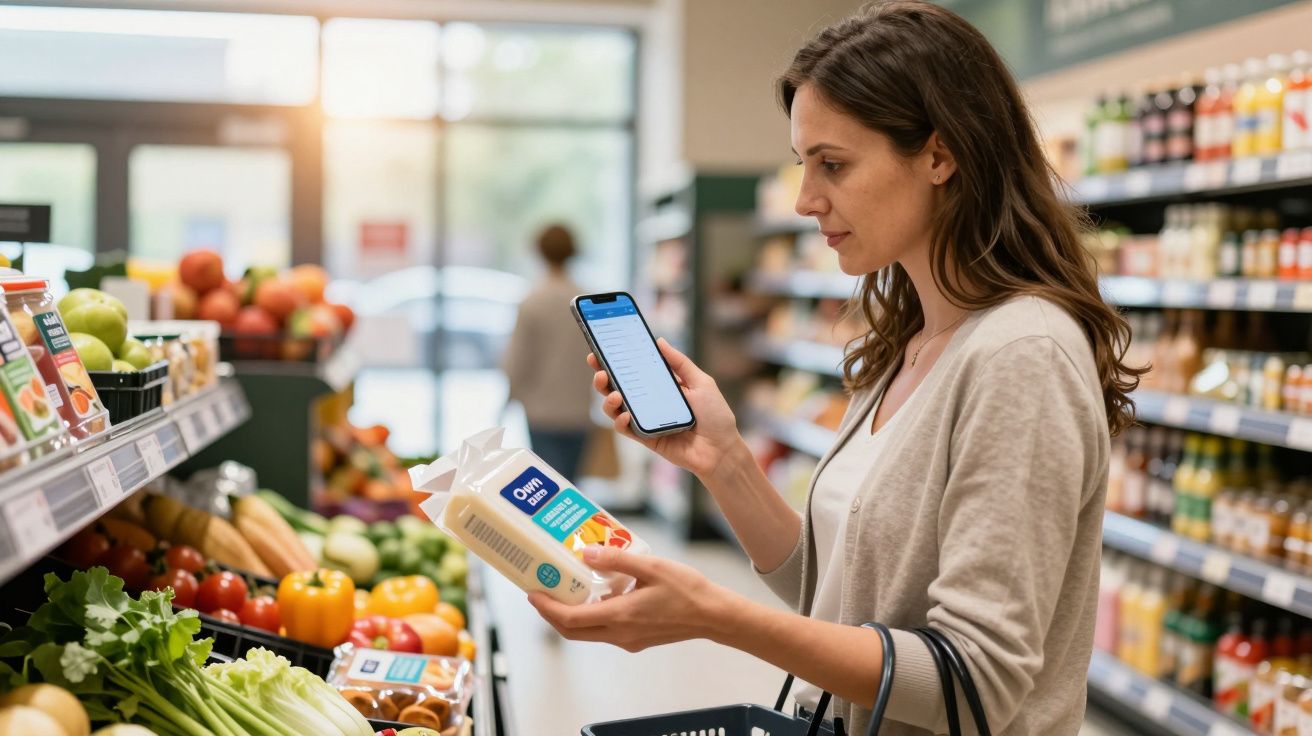
If you’re reading this as a shopper rather than a shareholder, the practical signals are small and slightly boring - which is usually where the truth hides. You don’t need to read a sustainability report cover to cover; you can watch for consistency across touchpoints.
A simple checklist that mirrors what researchers do:
- Compare claims to context: “recyclable” is not the same as “recycled” or “recyclable in your council area”.
- Look for specificity: targets with dates, baselines and scopes tend to survive scrutiny better than vague pledges.
- Notice the portfolio, not the hero product: one improved line doesn’t cancel out aggressive promotion of less healthy options.
- Treat odd bot-like text as a warning flag: it may be harmless, but it’s also how scams and false customer service accounts start.
The uncomfortable bit: controlling without overpromising
There’s a tension that keeps coming up in the research. Companies want simple stories - “cleaner”, “greener”, “healthier” - but the underlying systems are messy. Agriculture depends on weather. Recycling depends on local infrastructure. “Ethical sourcing” depends on audits that can miss what workers won’t say out loud.
Researchers aren’t asking Unilever to be perfect; they’re asking it to be legible. The pressure is for fewer grand narratives and more durable proof: methods, definitions, margins of error, and honest notes on what hasn’t worked yet.
| What researchers focus on | What it means in the real world | Why it matters |
|---|---|---|
| Health impact at scale | Reformulation + marketing + pricing effects | Changes diets more than single products do |
| Emissions accounting | Scope 3, offsets, supplier data quality | Tests whether net zero is real reduction |
| Communication integrity | Bot noise, platform impersonation, clarity | Trust affects safety and buying decisions |
A small habit that makes you harder to mislead
The easiest way to follow this story is to pick one category you buy often - deodorant, tea, ice cream, washing-up liquid - and track it for a month. Notice what changes: pack size, price per unit, wording, “new” formulas, recycling symbols, and how customer support appears on social platforms. The point isn’t paranoia; it’s literacy.
Because the new questions about Unilever are, in the end, questions about the rest of us: what we accept as “normal”, what we reward at the till, and what we let slide because life is busy and the shopping needs doing. Researchers are simply making that normal visible - and once you’ve seen it, it’s hard not to look again.

Comments (0)
No comments yet. Be the first to comment!
Leave a Comment