
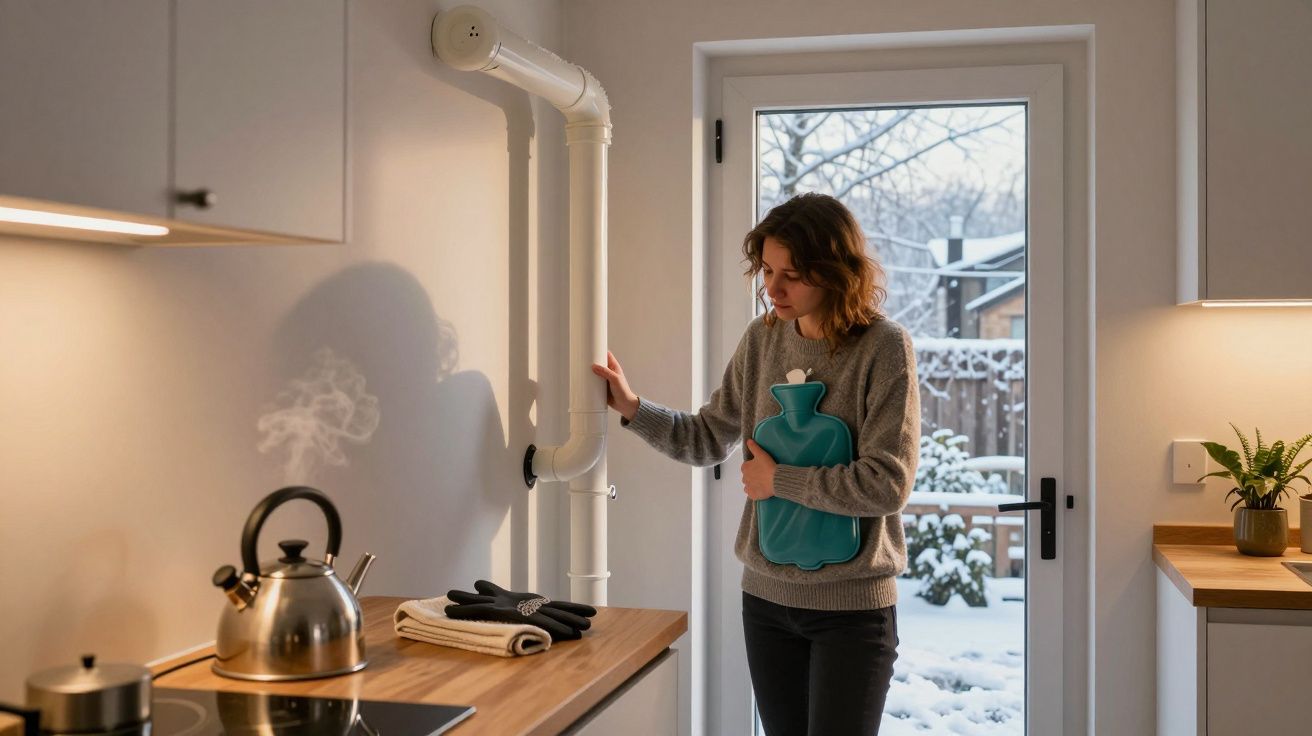
It starts with a text at 7:10 a.m.: “Heating’s broken again.” In rental properties, that message isn’t just a maintenance nuisance - it can spiral into compliance risks fast, especially when the cold snaps and the paper trail is thin. The overlooked part is that it’s rarely the boiler alone; it’s the way heat is delivered, controlled, and evidenced.
Picture a typical terrace in Birmingham. The tenant is doing everything “right”: the thermostat is up, doors are shut, windows aren’t wide open. Yet the back bedroom never warms, the front room is either clammy or roasting, and damp freckles return like clockwork. You send an engineer, swap a part, and the same call lands again next month. Everyone is tired, nobody feels listened to, and costs keep stacking.
The insight: heat is a system, not a box on the wall
Landlords often treat heating like a single item: boiler working, job done. But comfort and safety live in the whole loop - insulation, draughts, radiator balance, controls, ventilation, and how the household actually uses the space. When one part is out, people compensate with risky behaviours: portable heaters, blocked vents, turned-off extraction fans, drying clothes on radiators all day.
That’s where trouble starts. Not because tenants are “difficult”, but because the building is asking them to improvise. And improvisation in winter is how mould complaints, excess condensation, and late-night emergency call-outs are born.
What one degree changes in a let (and why it’s not about being stingy)
Most homes land in a sensible comfort band at around 19°C in living areas, dropping to 17–18°C in bedrooms. For many systems, reducing a setpoint by 1°C can save roughly 5–7% on heating energy, but the bigger win for landlords is stability. A steady target avoids the on/off spikes that leave cold surfaces behind - the kind that invite condensation even when the air feels warm.
Tenants tend to do the same thing anyone does: when it feels cold, they crank the thermostat to 23°C and wait for the miracle. It doesn’t heat faster; it overshoots, dries the air, and can push bills up enough that people start rationing heat altogether. Then the property cools, surfaces drop below dew point, and damp gets its foothold.
A calm, realistic temperature plan isn’t penny-pinching. It’s how you keep homes consistently habitable without triggering the cycle of underheating, condensation, and complaints.
The landlord’s winter playbook: control, balance, evidence
You don’t need a grand retrofit to get real gains. Start with the bits that change outcomes quickly and show you took reasonable steps.
- Controls that tenants can actually use: a clear room thermostat, TRVs that aren’t seized, and a basic schedule (morning/evening with a lower overnight set-back).
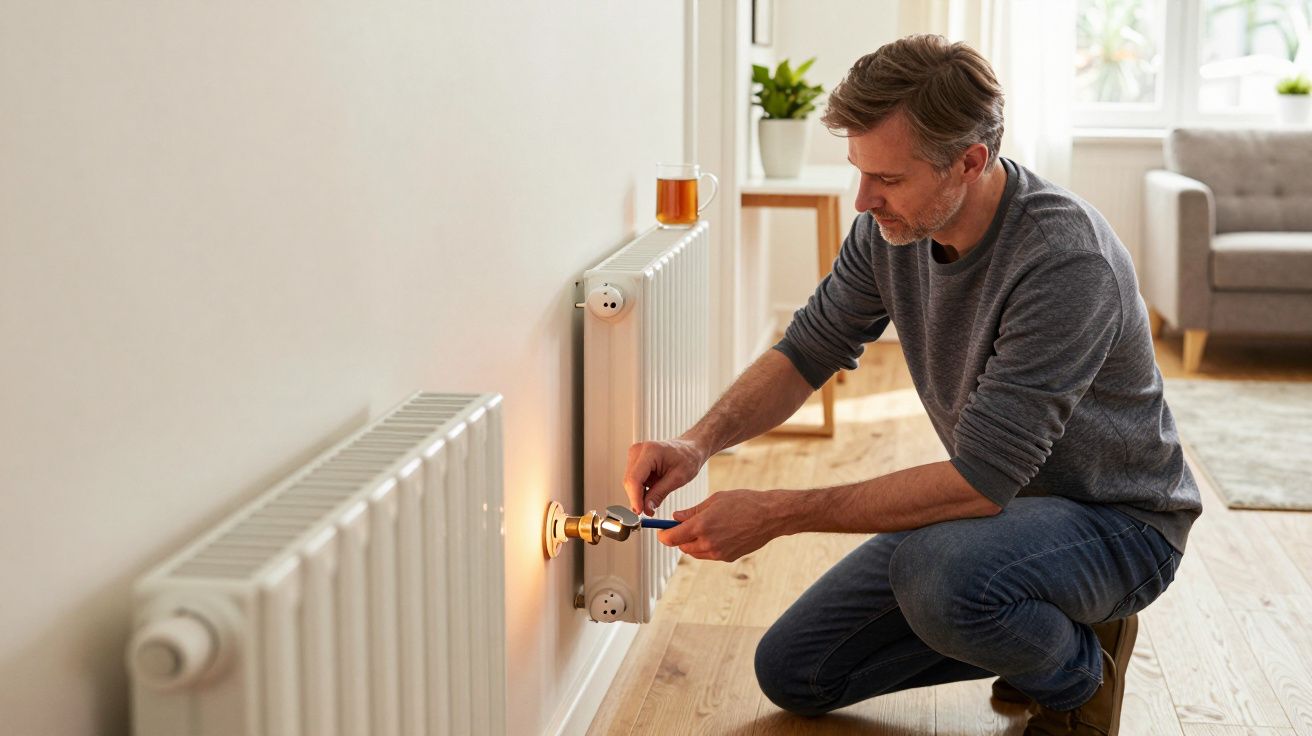
- Balanced heat distribution: bleed radiators, check pump settings, and make sure the “cold room” isn’t simply starved while the hall bakes.
- Ventilation that stays on: working extractor fans in kitchen and bathroom, and a gentle explanation that turning them off to “save heat” backfires.
- Draught and curtain reality: obvious gaps around doors, unsealed hatches, and bare single-glazed windows matter more than you think in a small terrace.
- Carbon monoxide and smoke alarms: test, document, and treat it as seasonal hygiene, not a box-tick.
If you want one rule that travels well across most stock: keep living areas around 19–20°C when occupied, bedrooms 16–18°C at night, and avoid wide temperature swings in damp-prone homes. Heat pumps, where installed, usually prefer this steadiness even more.
The compliance angle landlords miss: proving “reasonable” before it becomes formal
When tenants say “the heating doesn’t work”, they might mean: one room never reaches temperature, controls are confusing, radiators are half cold, or the home is warm but always wet. If you only log “boiler firing = yes”, you’ve captured the least useful truth.
A simple evidence pack reduces the chance of disputes escalating and helps contractors diagnose properly:
- Date-stamped photos of thermostat model, boiler pressure, and radiator condition (cold spots, leaks, TRV caps missing).
- A short note of the household’s reported symptoms: which rooms, what times, what’s being dried indoors, whether fans are used.
- Any engineer visit summary plus what was tested (flow temp, inhibitor check, balancing, fan airflow).
- A clear written “how to heat this home” guide that matches the actual system installed.
It’s not about building a case against the tenant. It’s about showing you acted early, communicated clearly, and treated the property as a whole environment - the standard most enforcement and dispute processes quietly circle back to.
A small habit that cuts call-outs: give tenants a simple temperature script
People don’t need lectures. They need a default plan that feels human, not restrictive, and a promise that you’ll take it seriously if the home can’t reach it.
Try a one-page script:
- Daytime living areas: 19–20°C (20–21°C if vulnerable occupants).
- Night: 17–18°C with a warm duvet; don’t switch fully off in damp homes.
- Adjustments: half a degree, then wait 30 minutes.
- Ventilation: fans on, lids on pans, wipe condensation on windows.
- Call maintenance if: radiators stay cold at top/bottom, boiler loses pressure, or a room can’t reach target after 2–3 hours.
That tiny bit of structure reduces panic-tweaking and makes problems clearer when they are real. You’ll also find tenants feel less blamed - which, in practice, means faster access for inspections and fewer disputes.
| Point clé | Détail | Intérêt pour le lecteur |
|---|---|---|
| Heating is a system | Controls, balance, ventilation, surfaces | Fewer repeat issues than “fixing the boiler” alone |
| Stability beats spikes | ~19–20°C day, 17–18°C night for many homes | Less condensation risk and fewer bill shocks |
| Evidence prevents escalation | Logs, photos, tenant guidance | Lowers compliance risks when complaints arise |
FAQ:
- How warm should a rental be in winter? Many homes sit comfortably around 19–20°C in living areas, with bedrooms at 16–18°C. If occupants are older, ill, or there’s a baby, aim closer to 20–21°C in the main room.
- Is mould always a tenant behaviour issue? No. Lifestyle affects moisture, but cold surfaces, poor ventilation, and uneven heating make condensation far more likely. Treat it as a building-and-use problem, not a character flaw.
- Do smart thermostats solve this? They help with scheduling and consistency, but they won’t fix cold rooms, unbalanced radiators, or weak extraction. Controls are only as good as the system behind them.
- What’s the quickest upgrade with the biggest impact? Working extraction fans and usable controls (thermostat + functioning TRVs) are often the fastest route to fewer damp complaints and fewer emergency call-outs.




Comments (0)
No comments yet. Be the first to comment!
Leave a Comment