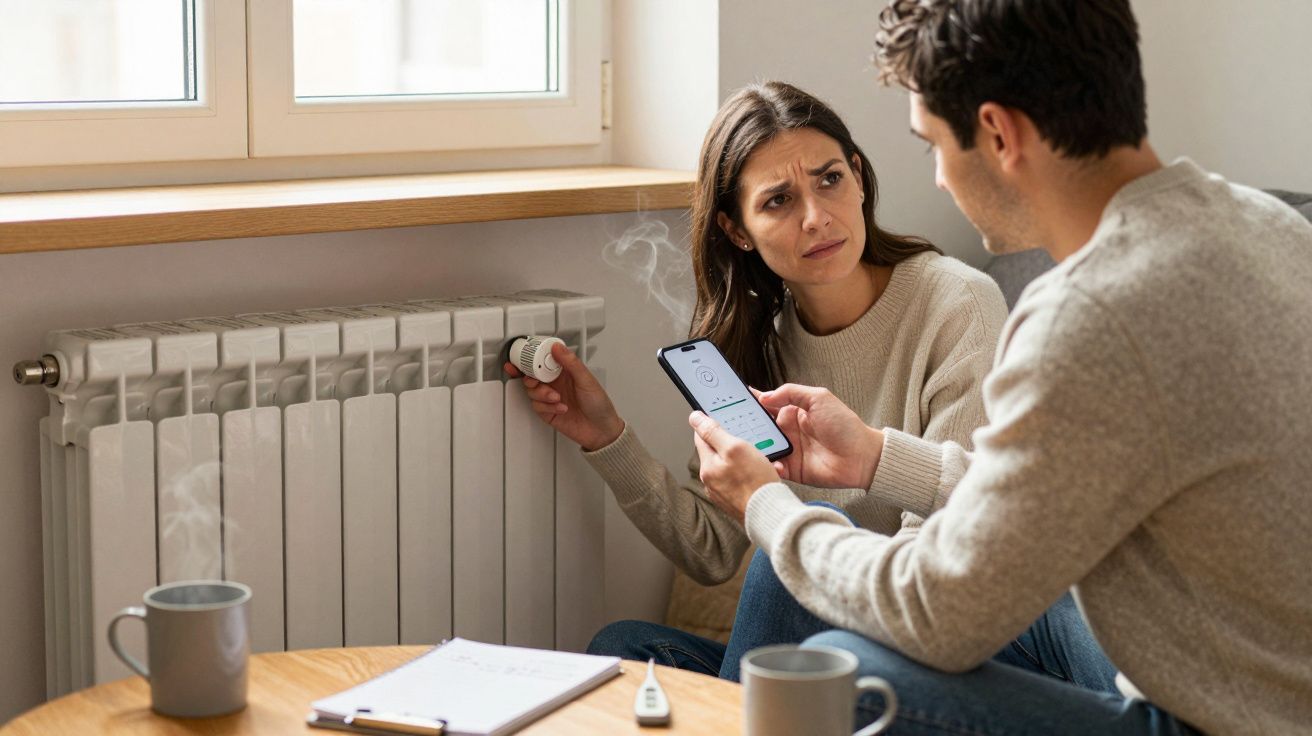
You don’t notice it in September, when the mornings still feel kind and the boiler only clears its throat. But heating system upgrades collide with seasonal reality in January, when the house goes quiet, the radiators lag, and your “efficient” setup starts asking for a different way of living. It matters because the regret is rarely about the kit itself - it’s about what winter reveals: comfort is a system, not a spec sheet.
Most people don’t rue the decision on the day the installer leaves. They regret it after the first cold snap, when slippers become PPE and the living room turns into a strategy.
The upgrade that looks perfect on paper
The story usually starts with a sensible sentence: we’re ripping out the old boiler before it dies. Or: we’re going greener. Or: the bills are mad; we need a heat pump. None of these are wrong, and plenty of homes end up happier.
The regret arrives when the new system is sized, set, and explained like a product, not like a routine. Winter doesn’t care what the brochure said. Winter only cares whether the heat turns up when you need it, where you need it, without you managing it like a part‑time job.
The most common disappointment isn’t “it doesn’t work”. It’s “it works, but not the way we thought it would”.
What people miss: heat delivery is a lifestyle
Older gas boilers are blunt instruments. They blast out high temperatures, recover fast, and forgive draughts, thin loft insulation, and radiators that were never properly balanced. Many modern upgrades - especially low‑temperature systems - reward steadiness, not spurts.
That’s why the same sentence appears in so many post‑winter complaints: It’s warm eventually, but it takes ages. If you’re used to a 20‑minute surge before school run or a quick evening boost, the new logic can feel like the house has stopped listening.
Seasonal reality shows up in small humiliations: the back bedroom that never quite catches up, the hallway that feels like a fridge, the bathroom that’s only cosy if you planned two hours ahead. You don’t notice these gaps in October. In February they become the whole plot.
The “low and slow” trap (when nobody told you)
Many heating system upgrades are designed to run longer at lower flow temperatures. That can be brilliant for efficiency and comfort - if the home is ready for it and the controls are configured properly.
What trips people up:
- Flow temperatures set too low for existing radiators, so rooms top out at “almost”.
- Thermostats and schedules left in default modes that don’t match how you live.
- Expectations carried over from old systems: “Boost” becomes your main plan, and efficiency collapses.
If you find yourself constantly overriding, you’re not failing. You’re getting feedback: the system and the house are mismatched, or poorly commissioned.
The upgrade people regret most: a heat pump without the boring prep
This isn’t a hit piece on heat pumps. They can be excellent in UK homes, especially with good insulation, correct sizing, and radiators (or underfloor) that can deliver enough heat at lower temperatures.
The regret story tends to follow a pattern. The installer focused on the unit outside, not the heat loss inside. The radiators were left as‑is, the pipework sludge wasn’t fully dealt with, and the handover was a five‑minute tour of an app.
Then winter arrives and the home asks a simple question: can you actually shift enough heat into these rooms?
Common post‑winter symptoms people describe:
- The heat pump runs for long stretches but rooms still feel cool on the coldest days.
- Bedrooms feel clammy rather than crisp (often a ventilation/humidity issue, not just heating).
- Electricity use shocks them because they’re “chasing” warmth with high setpoints and constant overrides.
- Defrost cycles and fan noise feel louder at night than expected, because cold damp air carries sound differently.
None of that means the technology is doomed. It means the design and setup need to be treated like central heating engineering, not an appliance swap.
The quiet regret: smart controls that make you manage your own house
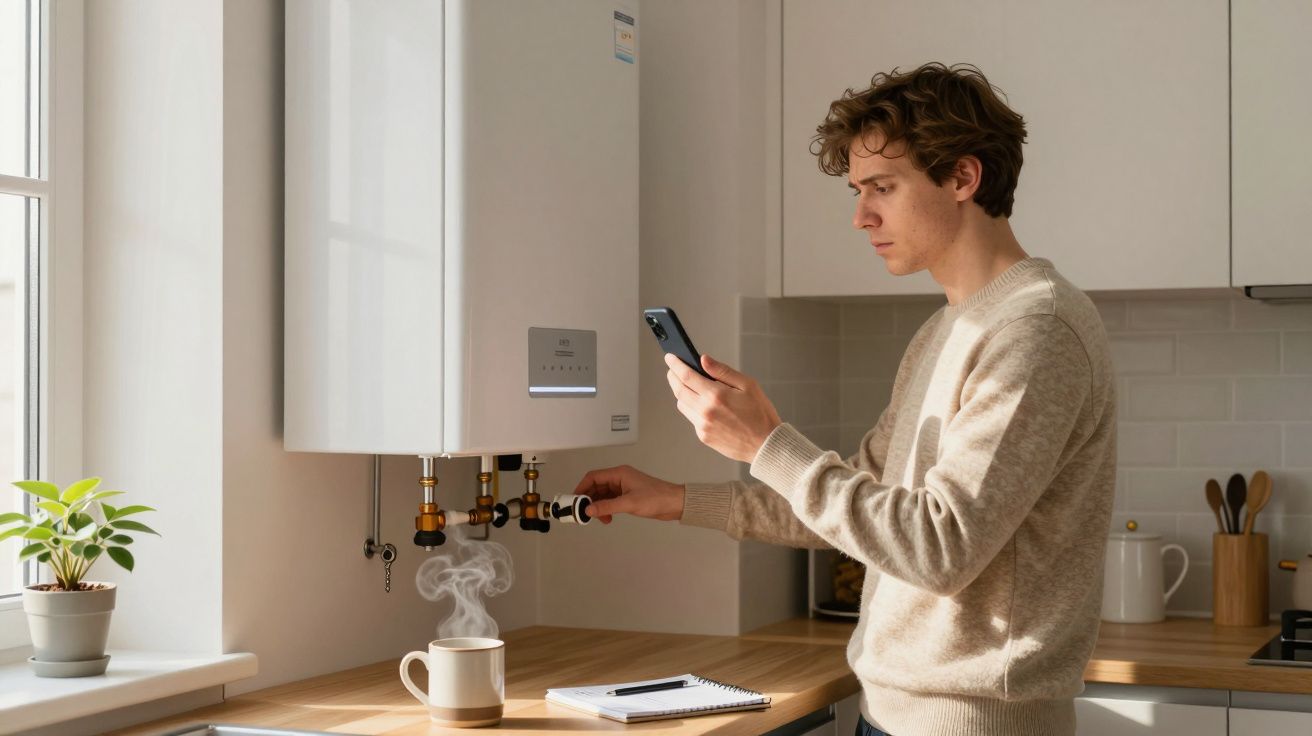
Some upgrades fail emotionally, not technically. Smart thermostats, zoning, TRVs, weather compensation - it can all work. But if it takes daily tinkering, winter turns your living space into a dashboard.
You’ll hear it in how people talk by March: I’ve become the heating manager. They know which rooms are “allowed” warmth, which schedules fight each other, and which app update broke the routine.
A good system disappears into the background. A bad setup makes you think about it every day, which is exactly what you didn’t want when you upgraded.
If your heating needs constant attention, it’s not “smart”. It’s unfinished.
A winter-proof check before you upgrade (or to fix the regret)
You don’t need to become an engineer, but you do need a few unglamorous answers. Ask these before committing, or use them now if you’re already disappointed.
- Heat loss calculation: Did anyone measure or model your heat loss room-by-room, or was it a rule-of-thumb swap?
- Emitter capacity: Will your existing radiators deliver enough heat at the new system’s typical flow temperature?
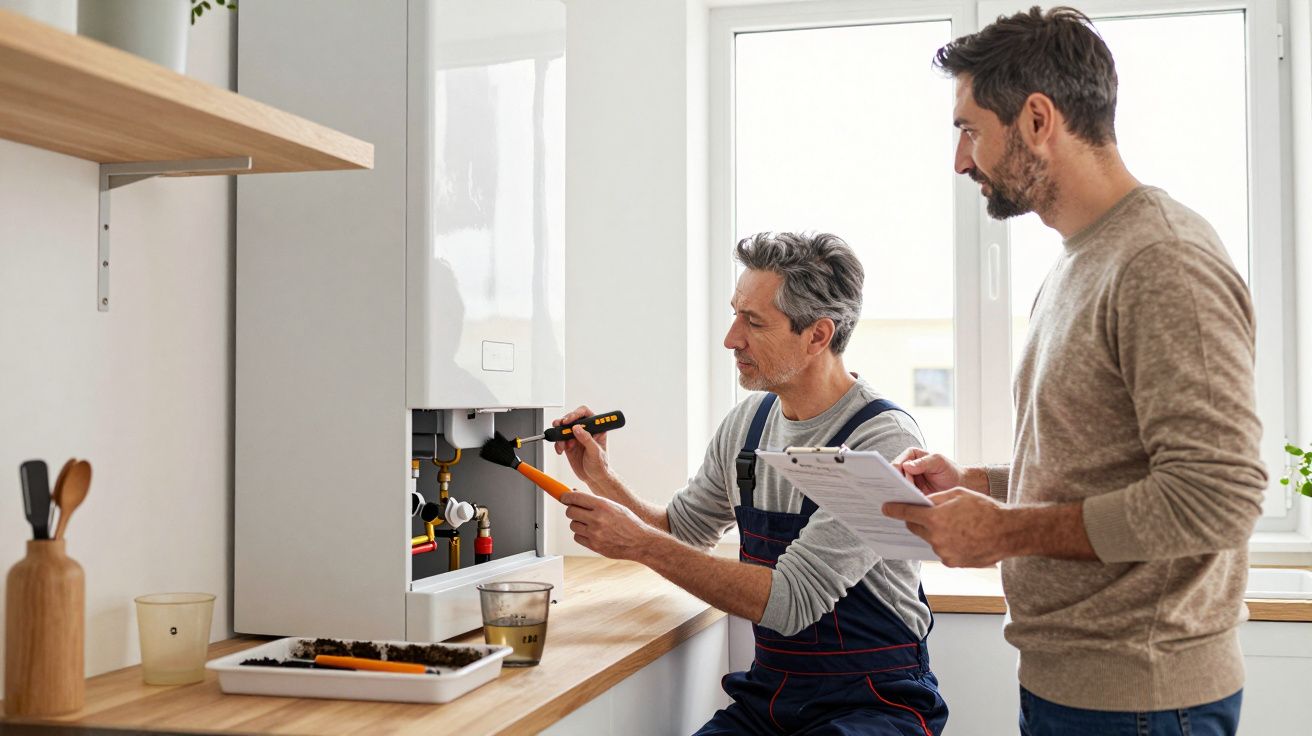
- Pipework and water quality: Was the system cleaned properly and protected (mag filter, inhibitor), especially if you have older pipework?
- Commissioning evidence: Do you have settings documented - flow temps, curves, balance, design assumptions - not just “it’s running”?
- Controls that match your life: Are schedules built around how you actually use rooms, not an idealised routine?
A quick “reality table” for expectations
| Upgrade choice | What people expect | What winter often teaches |
|---|---|---|
| Heat pump swap, minimal changes | Same feel as a boiler, cheaper bills | Needs steady running; may require larger radiators/insulation |
| New boiler + smart controls | Big savings from clever scheduling | Savings depend on setup; complexity can backfire |
| Underfloor heating retrofit | Instant luxury warmth | Slow response; works best with good insulation and planning |
If you already regret it: what to do before next winter
Start with the simplest truth: many “bad” systems are actually misconfigured. A competent commissioning visit can change everything, especially for low‑temperature setups.
Practical steps that tend to pay off:
- Have the system balanced (radiators and flows). Uneven warmth is often hydraulics, not “not enough heat”.
- Review flow temperature settings with evidence, not vibes. Small changes can transform comfort (and cost).
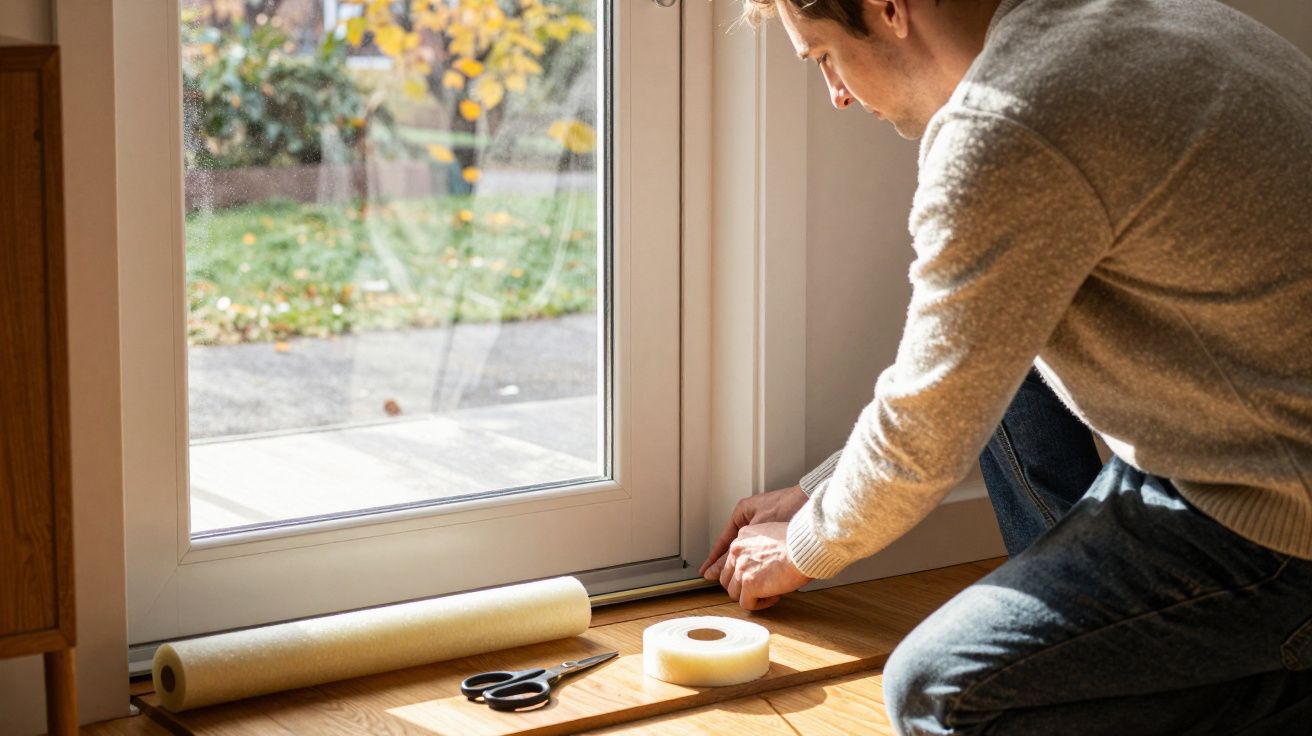
- Check insulation and draughts in the coldest rooms first. One leaky room can make you overheat the rest of the house.
- Simplify controls until the house is stable. Fancy zoning can wait until the basics work.
- Track two weeks of data (inside temp, outside temp, energy use). It stops the conversation becoming guesswork.
The goal isn’t perfection. It’s to make winter boring again - the highest compliment a heating system can earn.
The real lesson: winter is the test, not the sales pitch
Heating system upgrades can be a genuine step up: quieter, steadier, cleaner, sometimes cheaper. But seasonal reality has a way of exposing what was ignored - the insulation that never got done, the radiators that were never sized for low temperatures, the controls nobody explained.
The regret people feel after winter is rarely about choosing the “wrong” technology. It’s about being sold an upgrade without being guided through the new way the home will behave. If you plan for that behaviour - not just the box on the wall - the upgrade stops being a project and starts being comfort.



Comments (0)
No comments yet. Be the first to comment!
Leave a Comment