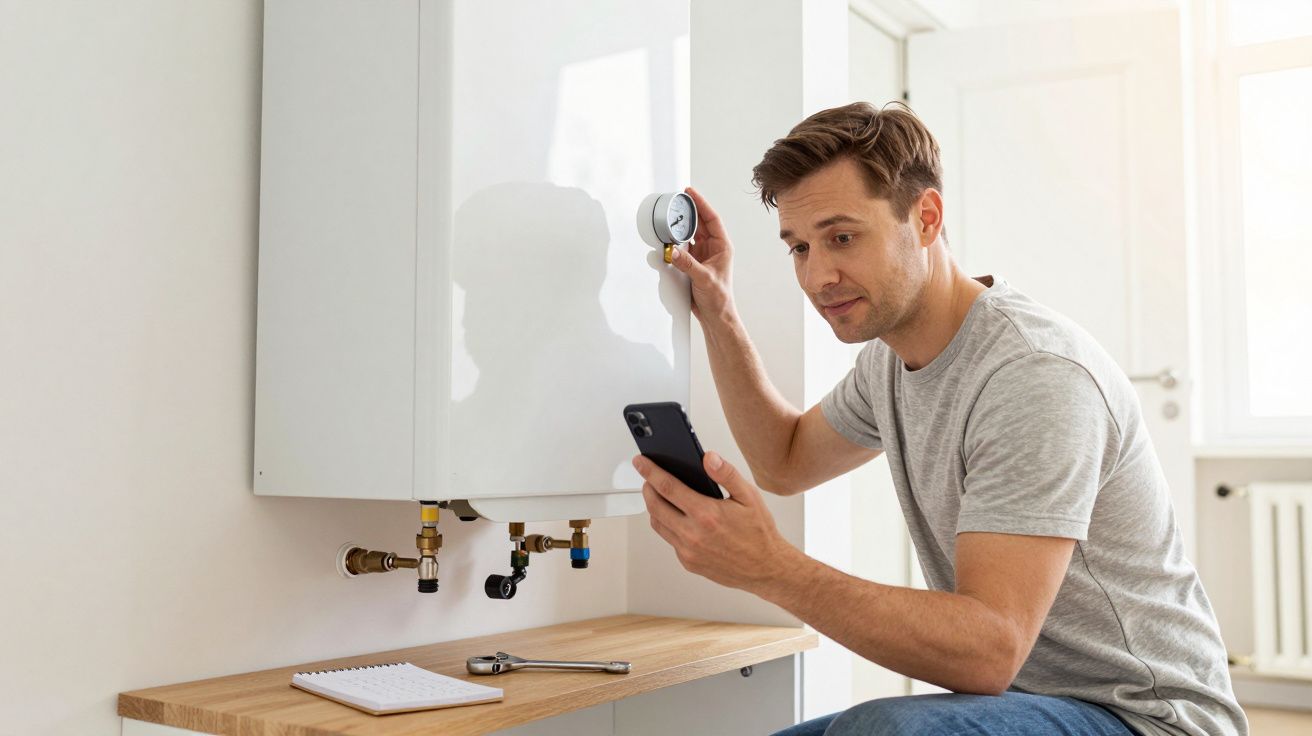
A boiler pressure drop is the moment your central heating boiler’s gauge slides down and the system starts acting odd - cold radiators, gurgling pipes, or a boiler that refuses to fire. What makes it so frustrating is how quickly it leads to system misdiagnosis: people blame “the boiler” as a whole, swap parts, or top up endlessly without asking where the pressure went. Get the cause right early and you save money, avoid repeat lockouts, and protect the system from fresh corrosion.
You can feel it in the house before you spot it on the dial. The morning heat takes longer, one radiator stays lukewarm, and you catch yourself hovering by the boiler like it might explain itself. It won’t. Pressure is simple in concept, but the reasons it drops are rarely one-size-fits-all.
What the gauge is really telling you (and what it isn’t)
Most sealed heating systems want roughly 1.0–1.5 bar when cold (your manual may vary), rising as the system heats. A boiler pressure drop means the system has lost water volume, or it can’t cushion expansion properly, and the gauge is reporting the imbalance.
Two common traps make the problem feel mysterious. First, the pressure can look “fine” when hot and then fall low again when cold, which hides the pattern. Second, topping up can mask the symptom for days, while quietly making the underlying fault worse.
Pressure isn’t “fuel”. It’s a clue about water, expansion, and containment.
The usual suspects - in the order they’re missed
Start with the boring checks. They solve more cases than the dramatic ones.
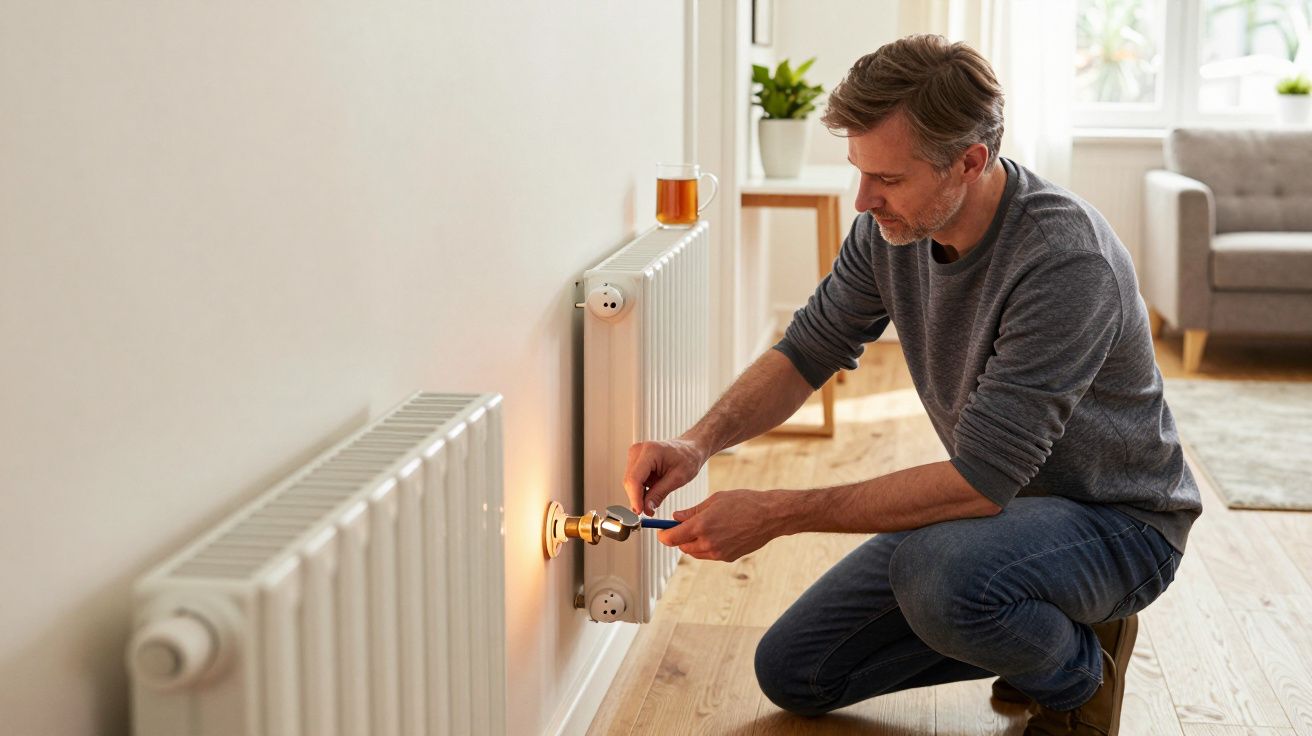
- A small leak on a radiator valve or lockshield. Look for a crusty green/white bloom, rusty staining, or a faint damp patch on carpet edges.
- A weeping pressure relief valve (PRV) discharge pipe. Outside, the copper pipe that points to the ground should be dry. If it drips after heating, that’s a story.
- Recent bleeding of radiators without proper re-pressurising. Bleeding releases air, but it also reduces system pressure; people do the first half and forget the second.
- A faulty expansion vessel (or lost pre-charge). The system can’t absorb thermal expansion, pressure spikes when hot, and the PRV may dump water to protect the boiler.
- Microleaks under floors or in concealed pipe runs. No puddles, just a steady, unexplained decline.
If you only remember one rule: don’t assume the leak is where the boiler is. Water follows gravity, floor voids hide evidence, and tiny seepage can evaporate before it ever looks “wet”.
Why system misdiagnosis happens so easily
A pressure drop feels like a boiler problem because the boiler is where you see the number. That’s how people end up paying for the wrong fix: a new sensor, a new filling loop, sometimes even a boiler “because it’s old”, while the actual culprit is a PRV that’s been quietly passing for months.
There’s also a psychological factor: topping up gives instant relief. The heating comes back on, the house warms, and it feels “sorted”. But frequent topping up brings fresh oxygenated water into the system, which encourages sludge and corrosion over time. The short-term win can set up a longer-term mess.
A quick, practical way to narrow it down at home
You don’t need specialist tools to do a first-pass diagnosis. You do need to be calm and methodical.
- Note the pressure when cold (first thing in the morning) and again when fully hot.
- Check the PRV discharge pipe outside after the boiler has been running. Any dripping or wetness matters.
- Walk the radiators: feel around valves, look under each one, and check behind curtains where damp can hide.
- Stop “just topping up” for a day or two if it’s safe to do so and the boiler still runs; watch the rate of drop instead.
- Listen for filling-loop mistakes: if the filling loop is left open even slightly, you can over-pressurise and trigger the PRV, which then creates the very loss you’re trying to cure.
If your pressure plummets quickly (hours, not days), treat it as urgent. A fast drop is rarely “normal settling”.
The expansion vessel: the quiet component that causes loud symptoms
When the expansion vessel isn’t doing its job, the pattern often looks like this: pressure rises steeply as the system heats, then you notice a drip from the PRV pipe, then the pressure is low again when cold. People see the low cold pressure and assume “leak”, but the leak is sometimes the system protecting itself from overpressure.
A heating engineer can test the vessel pre-charge and the vessel itself. If it’s failed internally, it may need replacing; if it’s merely undercharged, it may be recoverable. Either way, it’s cheaper than a cycle of call-outs and mystery top-ups.
If the pressure climbs near the red when hot, the system is telling you it can’t cope with expansion.
What you can do safely - and what to leave alone
There’s a sensible boundary between homeowner checks and engineer territory.
Generally safe for most households: - Checking the gauge hot vs cold and keeping notes. - Looking for visible leaks and corrosion marks. - Checking whether the external PRV pipe is wet. - Re-pressurising via the filling loop exactly as per your boiler manual, then closing it firmly.
Best left to a professional: - Anything involving gas components or opening the boiler casing. - Diagnosing or replacing the PRV, expansion vessel, or internal seals. - Investigating concealed pipework leaks, especially under floors. - Repeated lockouts or pressure dropping to near zero.
If you smell gas, see scorching, or hear unusual banging that’s new and aggressive, stop and call for help. Pressure issues and combustion issues can coexist, but they shouldn’t be bundled together as “probably fine”.
A small checklist that prevents repeat problems
The aim isn’t to become your own heating engineer. It’s to avoid the common loop of “top up, forget, repeat”.
- Keep pressure within the manufacturer’s range, not “as high as it will go”.
- After bleeding, top up once, then re-check the next morning when cold.
- If you’ve topped up more than once in a month, treat it as a fault, not a habit.
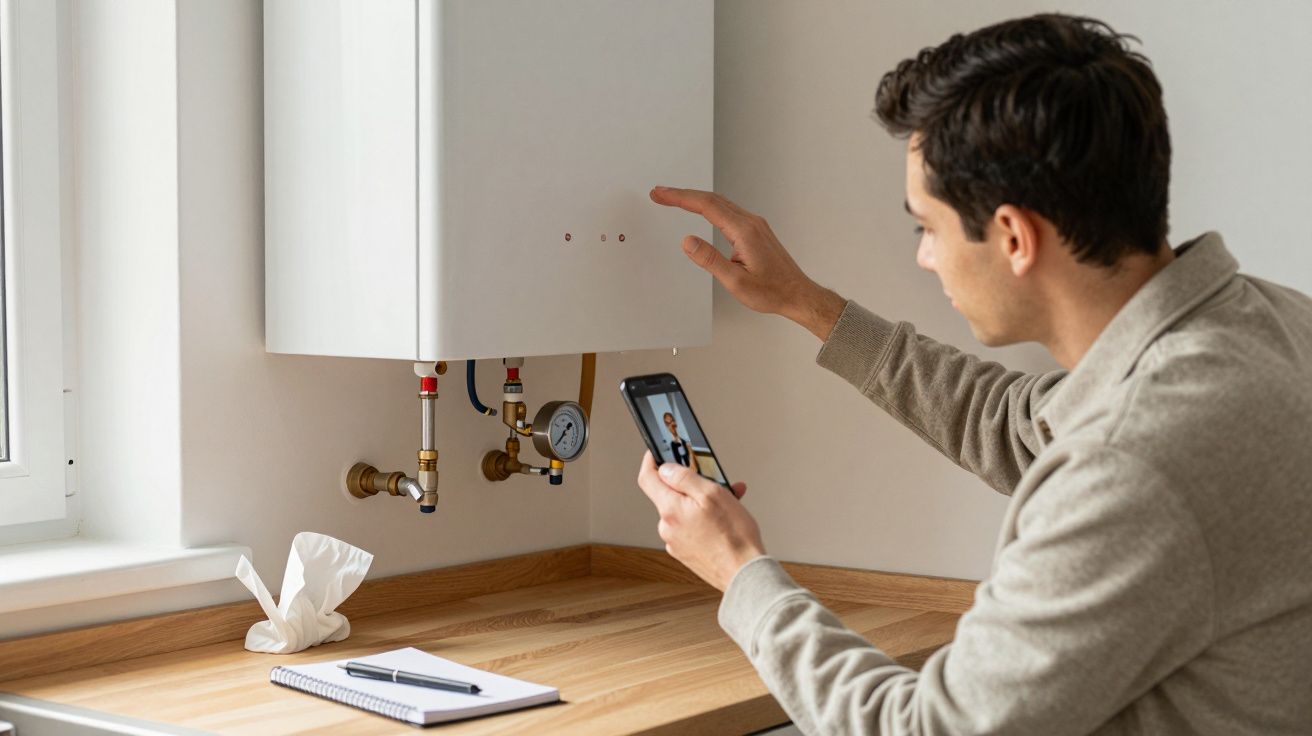
- Photograph the gauge when cold and when hot; patterns beat guesses.
- Ask an engineer to check the expansion vessel and PRV during service if you’ve had any unexplained drops.
FAQ:
- Why does my boiler pressure drop overnight but look fine in the evening? Pressure is read differently hot vs cold. If it drops mainly when cold, you may have a small leak, or water may be discharging via the PRV during heating and only showing up as “low” once cooled.
- Is it OK to keep topping the boiler up? Occasionally, after bleeding radiators, yes. Frequently, no: repeated topping up introduces fresh water and oxygen, increasing corrosion risk and potentially masking a fault like a weeping PRV or failing expansion vessel.
- How do I know if the PRV is leaking? Check the copper discharge pipe outside. It should be dry. Any regular dripping, especially after heating cycles, is a strong hint the PRV has opened or isn’t resealing properly.
- Can a boiler lose pressure with no visible leaks? Yes. Small leaks can evaporate, occur in concealed pipework, or discharge externally via the PRV pipe where you don’t normally look.
- When should I call an engineer urgently? If pressure drops rapidly (within hours), the boiler regularly locks out, you need frequent top-ups, or you see consistent discharge from the PRV pipe.


Comments (0)
No comments yet. Be the first to comment!
Leave a Comment