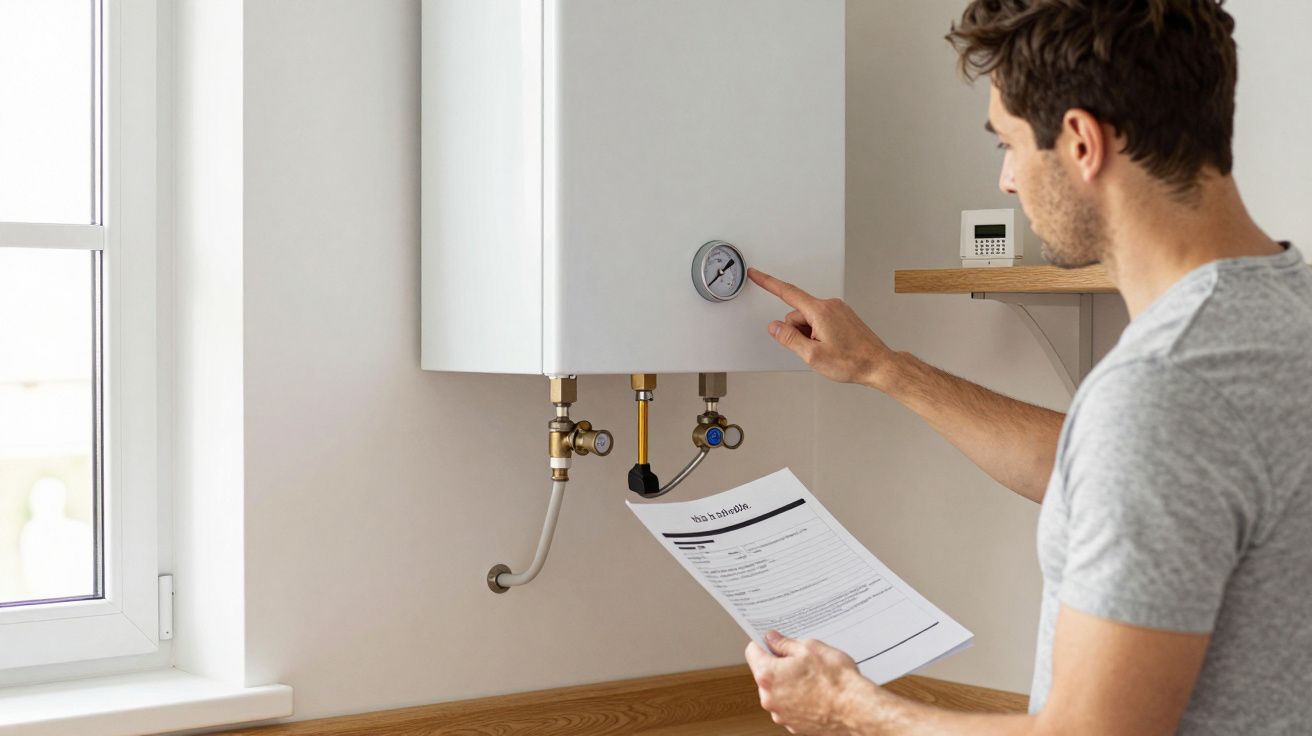
You sign off on a quote, the old unit comes off the wall, and suddenly you’re meant to feel calm. That’s the promise of new boiler installation: warmth on demand, lower bills, no more drama. The uncomfortable bit is that installation errors can turn that “peace of mind” into leaks, lockouts, odd noises, and a warranty argument you didn’t know you were signing up for.
Most people don’t discover this on day one. They discover it on the first cold weekend, when the pressure keeps dropping, or the radiators only heat halfway, or the carbon monoxide alarm chirps and nobody can tell you why.
The comfort story we’re sold (and what it leaves out)
A new boiler is usually marketed like a reset button. New heat exchanger, fresh warranty, shiny controls, job done. The reality is more like a chain: the appliance is one link, and the installation is the rest of it.
That matters because boilers are fussy by design. They need the right gas supply, correct flueing, clean water in the system, proper condensate drainage, safe electrics, and controls that actually match your home. Get one of those wrong and the boiler can still “work” - just badly, inefficiently, or unsafely.
Key idea: a good boiler can’t rescue a bad install; it simply fails more politely at first.
Where installation errors hide (because they don’t look dramatic)
Most faults aren’t cinematic explosions. They’re small shortcuts that look fine until months of cycling, expansion, and winter demand expose them.
The usual culprits
- System not cleaned or protected: no proper powerflush/flush, no filter, no inhibitor. Sludge and debris start chewing through the new kit.
- Poorly set up condensate: wrong fall, freezing-prone pipe run, bodged connection. You get gurgling, lockouts, or water where it shouldn’t be.
- Flue issues: wrong angle, inadequate support, poor seals, incorrect terminal position. Sometimes it’s nuisance shut-downs; sometimes it’s a safety risk.
- Gas supply not assessed: undersized pipework or pressure drop under load. The boiler lights, then struggles or trips when it ramps up.
- Controls left basic: old timer, no weather compensation, thermostat in the wrong place. Comfort suffers and bills don’t drop the way the brochure implied.
If you’ve ever had that “it’s brand new, why is it doing that?” moment, it’s often one of the above.
The three checks that separate a tidy job from a safe one
You don’t need to become a heating engineer to protect yourself. You just need to know what proof looks like, because good installers leave a paper trail and bad ones leave vibes.
1) Evidence of commissioning, not just switching it on
Ask for the commissioning sheet and make sure it’s filled in properly. It should include combustion checks where applicable, settings, and sign-offs. If the paperwork is missing, vague, or “we’ll email it”, treat that as a warning.
2) Water quality and system protection
A clean, treated system is the quiet foundation of reliability. You want to see that the system was flushed, inhibitor added, and ideally a magnetic filter fitted and shown to you. If the installer can’t explain what they did to protect the new heat exchanger, they probably didn’t do enough.
3) Flue and condensate done like they expect someone to inspect it
Flues should be secure, correctly terminated, and neat for a reason: they carry products of combustion out of your home. Condensate should run safely to a suitable drain and be protected from freezing if it goes outside. “It’ll be fine” is not a method.
The part nobody mentions: warranties don’t cover bad installation
“Ten-year warranty” sounds like a decade of not worrying. In practice, manufacturers can and do reject claims if the fault points to poor workmanship, missing system treatment, incorrect flueing, or commissioning gaps.
That’s where the uncomfortable reality bites. The homeowner is stuck between installer and manufacturer, both pointing at each other while the house is cold.
If you take nothing else away, take this: peace of mind isn’t the boiler’s age. It’s the quality of the install and the evidence that it was done to spec.
A quick ‘after’ routine that catches problems early
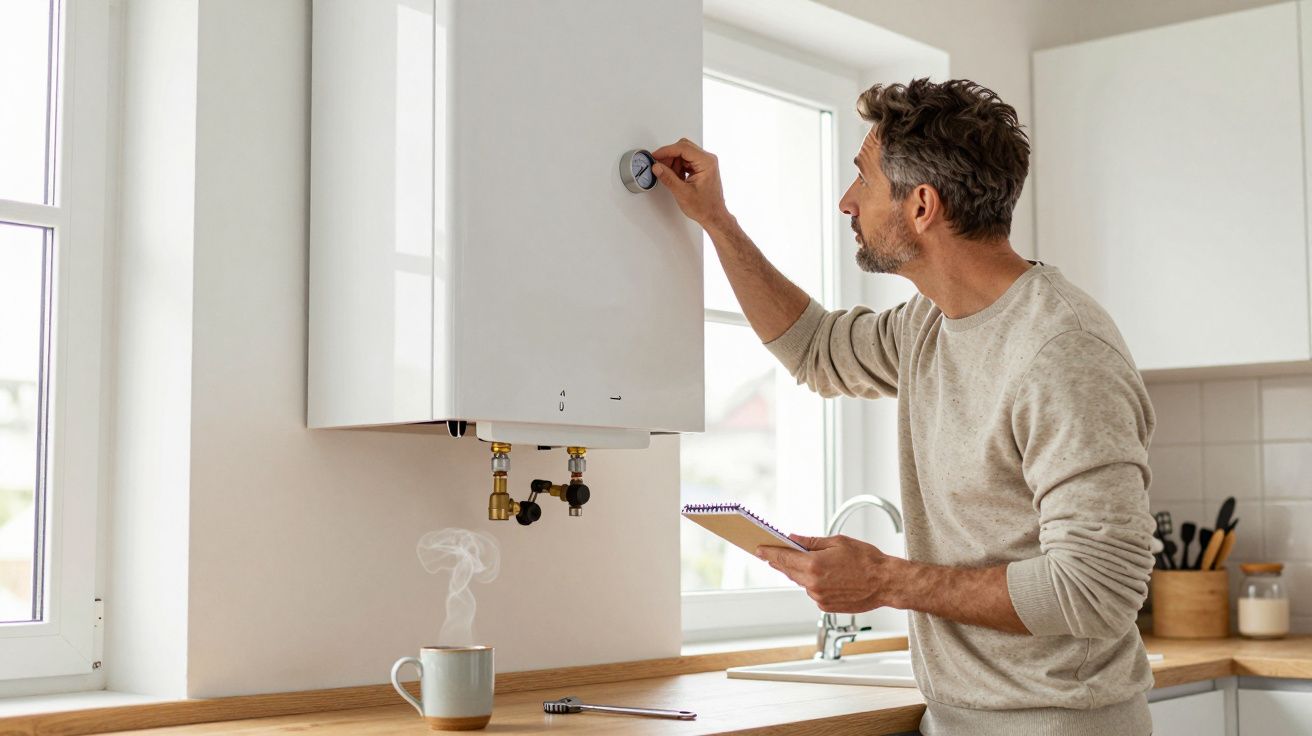
Most people wait for a breakdown. You can do better with a five-minute check in the first week and then once a month through the first winter.
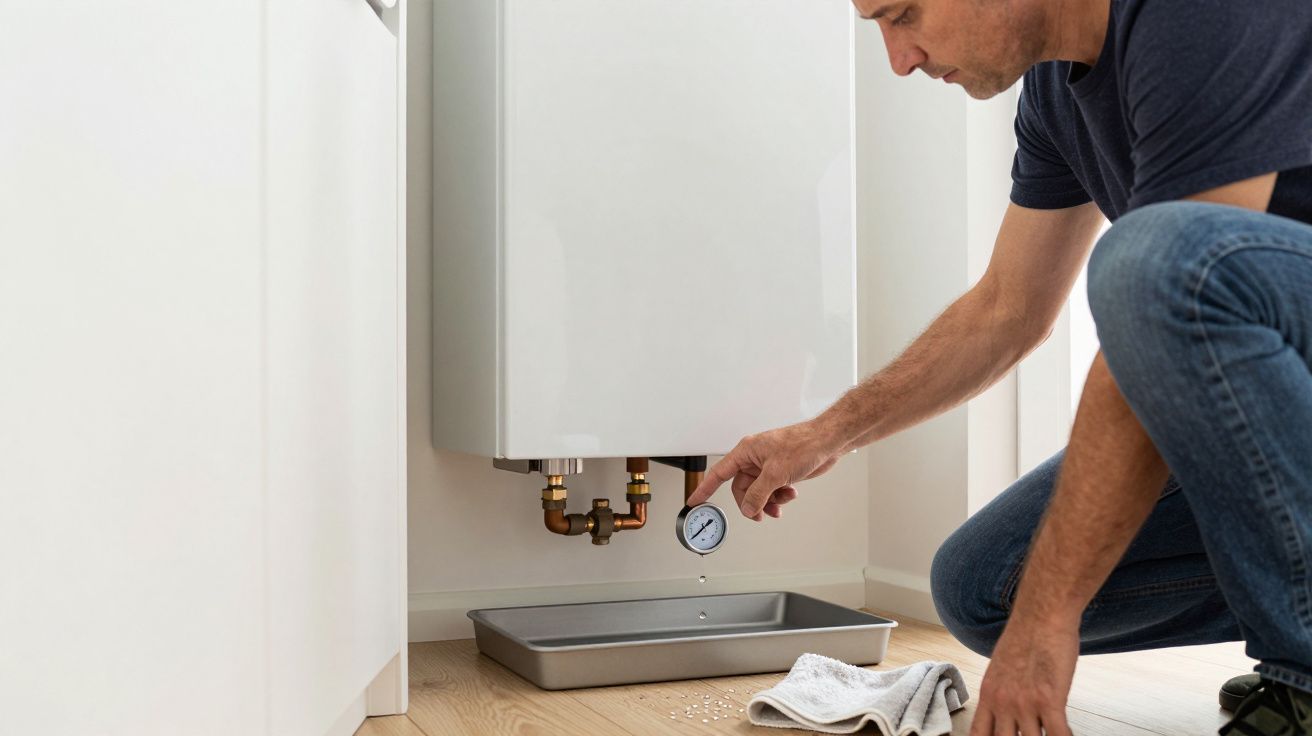
- Pressure: note the normal cold pressure and watch for drops. Repeated topping-up is a symptom, not a habit.
- Radiators: check for cold spots and uneven heating across the house. That can signal air, balance issues, or debris.
- Condensate: look for slow drips, damp patches, or gurgling at the pipe run.
- Flue area: check for staining, loose fittings, or rattling in wind.
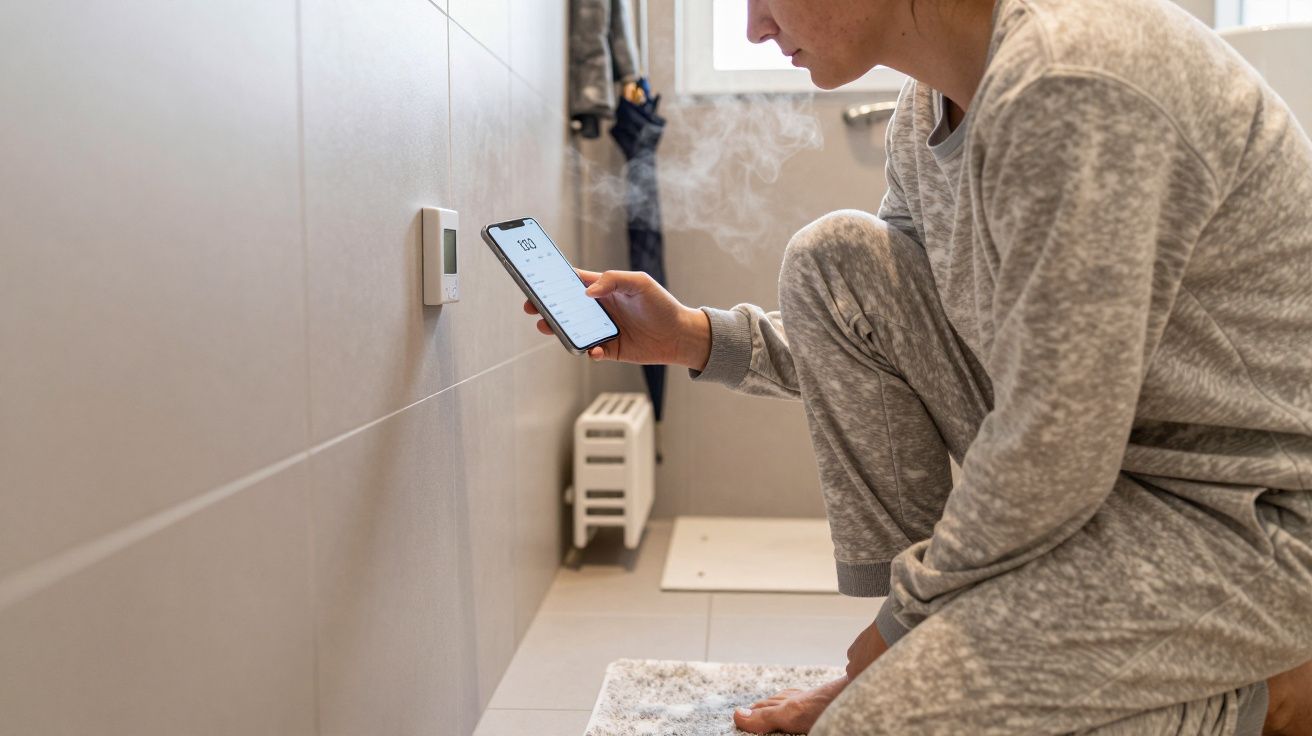
- Controls: make sure the thermostat actually governs the boiler and zoning works as promised.
Small issues are cheaper when they’re small.
What to ask before you agree to the work
Good installers don’t get defensive here. They get specific.
- What system cleaning will you do, and will you add inhibitor?
- Will you fit a magnetic filter, and where?
- How will you size-check the gas supply and confirm working pressure?
- Where will the flue terminate, and how will it be supported and sealed?
- What controls are included, and how will you set them up for efficiency?
- What paperwork will I receive on the day (not later)?
If answers are rushed or fuzzy, that’s information.
| What you’re promised | What actually delivers it | What to request |
|---|---|---|
| “Reliable heating” | Proper commissioning + water treatment | Commissioning sheet + inhibitor record |
| “Lower bills” | Correct controls + balanced system | Control explanation + balancing confirmation |
| “Safety” | Correct flueing + gas checks | Proof of tests and correct flue details |
FAQ:
- How soon do installation errors show up after a new boiler installation? Sometimes immediately (lockouts, leaks), but often within the first cold spell when the system runs harder. Repeated pressure drops, noisy operation, or inconsistent heating are common early clues.
- Is topping up the pressure occasionally normal? Once in a blue moon can happen, but regular topping up usually indicates a leak, a faulty expansion vessel, or an issue with the filling loop/pressure relief discharge. A new system shouldn’t need routine topping up.
- Do I really need a magnetic filter and inhibitor? In many homes, yes. They’re cheap insurance against sludge and debris that can damage pumps, valves, and the heat exchanger. If your installer says they’re unnecessary, ask how they’re protecting the boiler instead.
- What’s the biggest red flag after installation? A lack of proper documentation: no commissioning record, no benchmark/booklet completion, and no clear explanation of what was done. A neat-looking boiler can still be badly installed.
- Can installation errors affect carbon monoxide safety? Yes. Flueing, combustion setup, and ventilation all matter. If you have any concerns - especially alarms, headaches, or unusual smells - stop using the appliance and get it checked urgently by a qualified engineer.



Comments (0)
No comments yet. Be the first to comment!
Leave a Comment