
The truth about boiler servicing is that the calendar isn’t the whole story. Engineers talk about maintenance timing the way chefs talk about heat: the same recipe behaves differently in a different kitchen. In a UK home, where boilers run hard through damp winters and then sit half-awake in spring, the “once a year” rule can be either sensible protection-or a comforting oversimplification.
I’ve watched an engineer kneel on a hallway runner, case off, torch in mouth, listening to a pump that sounded fine until it didn’t. The customer wanted a date for next year’s visit. The engineer gave one, then added the part you don’t see on the sticker: “Call sooner if it starts doing anything different.”
Why “every 12 months” became the default-and why it doesn’t fit everyone
Annual servicing is a decent baseline because it catches the common failures early: worn seals, blocked condensate traps, dirty burners, drifting combustion. It also lines up with warranties, landlord paperwork, and the way people book life admin-one date, one invoice, done.
But boilers don’t age by the calendar alone. They age by cycles, water quality, installation quirks, and how often they’re forced to run at awkward, inefficient settings because the house is draughty or the controls are wrong. Two identical boilers can have very different years.
Engineers admit this privately because it’s hard to sell nuance. A simple schedule is reassuring. A conditional schedule requires you to notice patterns, remember symptoms, and act before it’s an emergency.
The uncomfortable truth: servicing is partly risk management, not a magic reset
A service can’t undo every form of wear, and it can’t guarantee you won’t break down next week. It reduces odds. It spots obvious danger. It improves efficiency when the system is in a state where efficiency can actually be improved.
What it really does-when it’s done properly-is give you a snapshot: combustion readings, safety checks, visible condition, and a sense of whether the boiler is behaving like itself. That “like itself” part matters. A boiler that’s slowly getting louder, slower to ignite, or more prone to pressure drops is telling a story the annual visit might catch too late if you ignore the chapters in between.
Think of it like a mid-season health check. Useful, but not an excuse to ignore symptoms for eleven months.
What changes maintenance timing in real houses
You can keep the annual service and still adjust your expectations. These are the conditions that push engineers to recommend closer attention, even if they don’t always say it bluntly at the door.
- Hard water areas (large parts of the South and East): scale builds faster in plate heat exchangers and hot water components.
- Older sealed systems with murky water: sludge and magnetite can stress pumps, valves, and heat exchangers.
- High-use households: big families, lots of showers, heating on long hours-more cycles, more wear.
- Newer, more complex boilers: efficient, yes, but more sensors, tighter tolerances, and more things that fail quietly.
- Poorly commissioned controls: short-cycling (on/off constantly) ages parts faster than steady running.
- Any history of breakdowns: if it failed once in winter, treat it like a boiler that’s warning you.
A good engineer will ask about these. A rushed one will service what’s in front of them and leave you with the same date next year.
The signs engineers actually want you to report (but people ignore)
Most call-outs start with “It’s probably nothing.” Sometimes it is. Often it’s the early stage of a fault that becomes expensive because it was left to harden into a crisis.
Watch for the small shifts:
- Pressure dropping repeatedly (topping up once a year is different from once a week).
- Radiators needing frequent bleeding or cold spots returning quickly.
- Noises that weren’t there before: kettling, gurgling, clicking on ignition.
- Hot water going lukewarm mid-shower or temperature fluctuating.
- Boiler cycling: firing up for 20–30 seconds, then stopping, then restarting.
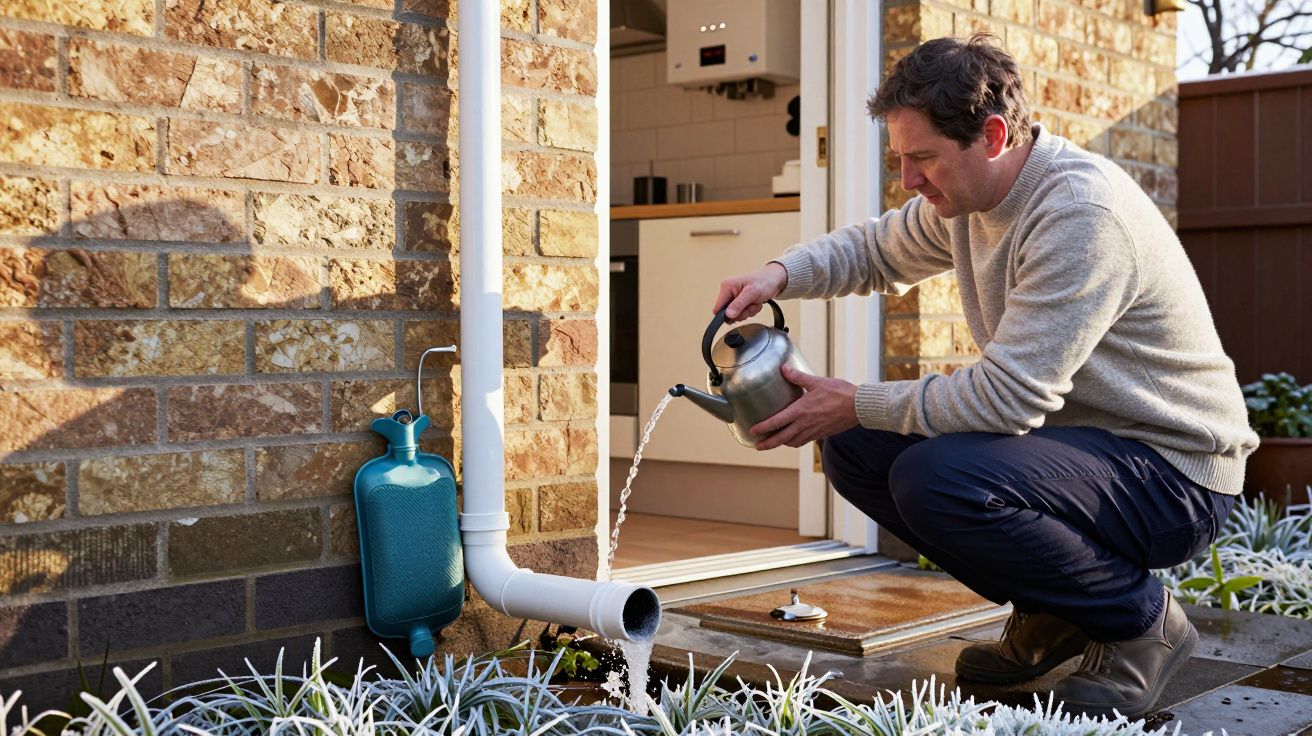
- Condensate pipe freezing or gurgling near the boiler (often seasonal, always worth mentioning).
If you report these at the service, it changes what a competent engineer checks. If you wait, you’re asking the service to be psychic.
What “good servicing” looks like (and what it can’t be in 15 minutes)
A proper service isn’t just “clean the bits and sign the sheet”. It’s measurement, inspection, and judgement-especially around combustion and safety. For many modern boilers, that includes checking flue integrity, seals, condensate path, and confirming the boiler is burning within spec.
The catch is time. If the appointment is priced like a fast-food meal, it will be delivered like one. Engineers know it, customers sense it, and everyone quietly pretends that a quick visit equals a thorough one.
If you want the uncomfortable-but-useful version of maintenance timing, it’s this: book a service when it’s convenient, but budget time (and attention) for follow-up if the system’s behaviour suggests it.
A simple, human schedule that works better than blind dates
You don’t need to become a heating engineer. You just need a routine that matches how boilers fail: gradually, then suddenly.
- Service annually as your baseline (especially for warranty and rental compliance).
- Add a mid-season check-in: once in early winter, note pressure, listen for new noises, and make sure hot water is stable.
- Treat symptoms as schedule-changers: if anything on the “report” list shows up, don’t wait for the anniversary.
- After any system work (new radiators, powerflush, control changes), ask for a quick performance sanity check. Small commissioning errors cause long-term grief.
One engineer put it to me like this:
“The service is the photo. The way it runs in your house is the film.”
What could go right-and what you have to watch
In the best version, boiler servicing keeps combustion safe, parts clean, and efficiency steady enough that your bills don’t creep up unnoticed. It reduces winter breakdown risk and catches issues while they’re still cheap and contained.
The watch-outs are real. A service won’t fix a system full of sludge unless someone proposes cleaning and protection. It won’t stop pressure loss caused by a hidden leak. And it won’t turn bad controls into good ones unless the person in front of the boiler is willing to discuss how you actually live in the house.
Maintenance timing works when it’s humble: a schedule plus awareness, not a date that grants immunity.
| Situation | Better timing move | Why it helps |
|---|---|---|
| Hard water, frequent hot water use | Don’t ignore early hot water changes | Scale faults escalate quickly |
| Repeated pressure drops | Call before the next service | Prevents corrosion and bigger failures |
| Noisy boiler or short-cycling | Investigate within weeks | Often signals system or control issues |
FAQ:
- Does boiler servicing have to be yearly? For most homes it’s a sensible baseline, and it’s often required for warranties and rental compliance. But if you have symptoms or high-use conditions, waiting for the yearly date can be the costly choice.
- When is the best time of year to book a service? Late summer to early autumn is ideal: engineers are less booked up, and you’re not discovering faults during the first cold snap when everyone else is calling.
- If my boiler seems fine, can I stretch the schedule? You can, but understand what you’re trading: higher risk of surprise breakdowns and undetected efficiency loss. If you do stretch it, be stricter about watching pressure, noise, and hot water stability.
- What should I tell the engineer to make the visit more useful? Share any changes in noise, pressure, radiator performance, hot water temperature swings, and how often the heating cycles. Those details steer a better diagnosis than “it’s fine”.
- Is a service the same as a powerflush? No. A service is a boiler-focused inspection and safety/performance check. A powerflush is a system-cleaning intervention used when sludge and contamination are affecting circulation and components.





Comments (0)
No comments yet. Be the first to comment!
Leave a Comment