The night your heating dies, it rarely feels like a “boiler problem” at first. It feels like a cold kitchen, a silent radiator, and the slow realisation that a frozen condensate pipe can trigger a cold weather boiler breakdown with the ease of a single hard frost. If you’ve got a modern condensing boiler, that small plastic pipe outside is a weak link most people never notice until it’s already winning.
I hear it every winter: a neighbour in slippers, a parent trying to get the bath running, someone staring at a flashing fault code like it’s accusing them personally. The boiler was fine yesterday. The service was done. The pressure gauge looks normal. And still: nothing.
Some faults announce themselves all year with a drip, a rattle, a whiff of gas. This one waits for the exact week you’re busiest, then turns weather into an on/off switch.
The pipe that quietly runs your whole heating
A condensate pipe is the little drain line that carries acidic water away from a condensing boiler as it extracts extra heat from flue gases. In many UK homes, that pipe runs to an external wall and out to a drain, because it’s the neatest route and the shortest drill.
That outside stretch is the problem. Condensate is mostly water; in freezing temperatures it can ice up, blocking the pipe. When that happens, the boiler often shuts down as a safety measure because it can’t dispose of condensate properly.
You don’t need a “bad boiler” for this to happen. You just need a cold snap, an exposed run of pipe, and a bit of bad luck with where the water sits.
How the winter-only fault actually shows up
The tell is how suddenly it happens. One day your heating is boring. The next morning it’s gone, and the boiler may be making gurgling noises or cycling without firing properly.
Common signs include:
- A fault code or flashing reset light (varies by manufacturer).
- Boiler fan running but no ignition, or the boiler stopping shortly after starting.
- No heating and/or no hot water during freezing weather, but “fine” in milder spells.
- A visible white/clear pipe outside that feels rock hard or looks bulged with ice.
There’s a particular frustration to it because it feels random. In reality, it’s usually geometry: a flat section where water pools, a long external run, or a pipe clipped to a north-facing wall that never sees sun.
Why it keeps catching households off guard
Because nothing about it feels like “maintenance”. People service boilers; they don’t service pipes. The condensate line isn’t glamorous, it doesn’t leak dramatically, and you can live for years without thinking about it.
Then a cold spell hits and the system behaves like it’s possessed. The boiler is doing what it’s meant to do-refusing to run when condensate can’t escape-but it reads as an inexplicable breakdown.
There’s also a timing trap. The first proper freeze is often when heating use spikes, so the boiler is producing more condensate, sending more water into the very pipe that is most likely to ice. Winter turns a minor design choice into a full stop.
“It’s never the week you planned to deal with it. It’s the week you’re already stretched.”
What you can do immediately (and what you shouldn’t)
If you suspect a frozen condensate pipe, the goal is simple: thaw it safely and get water flowing again.
Safer first steps:
- Check the external section of the condensate pipe (often a white plastic pipe near the boiler flue).
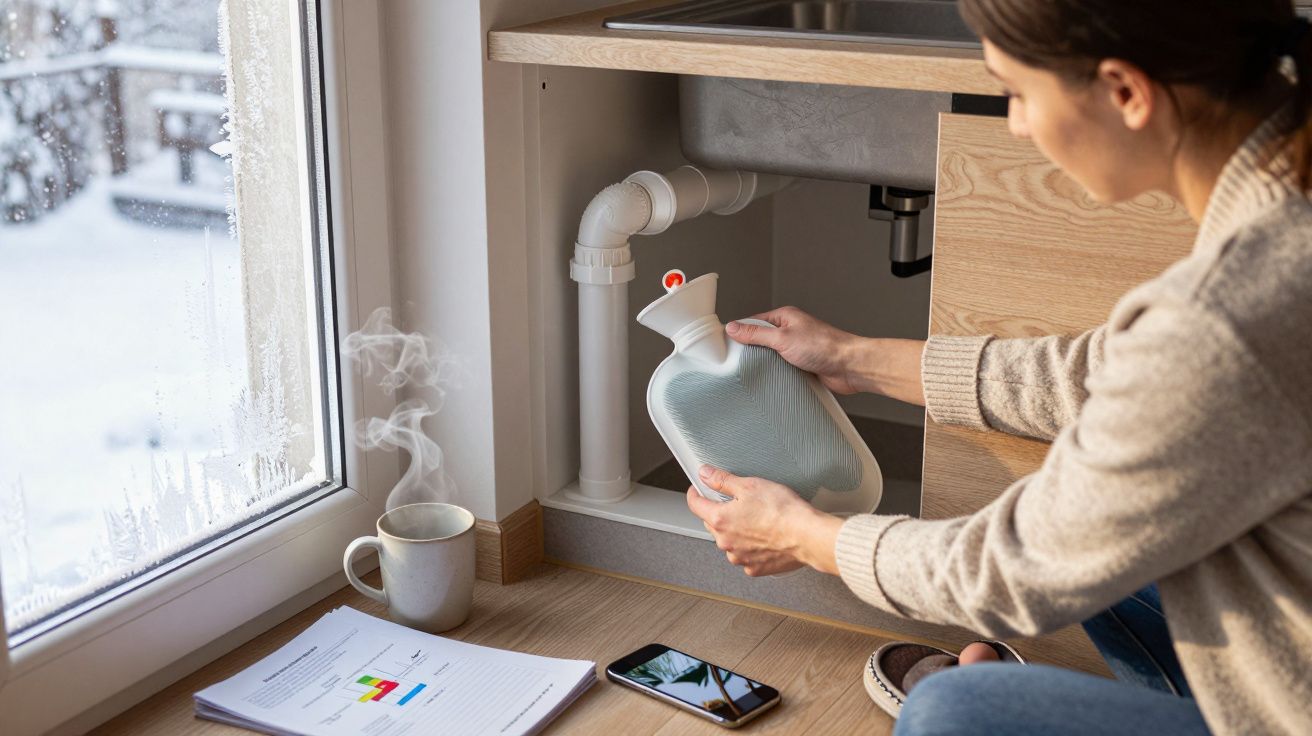
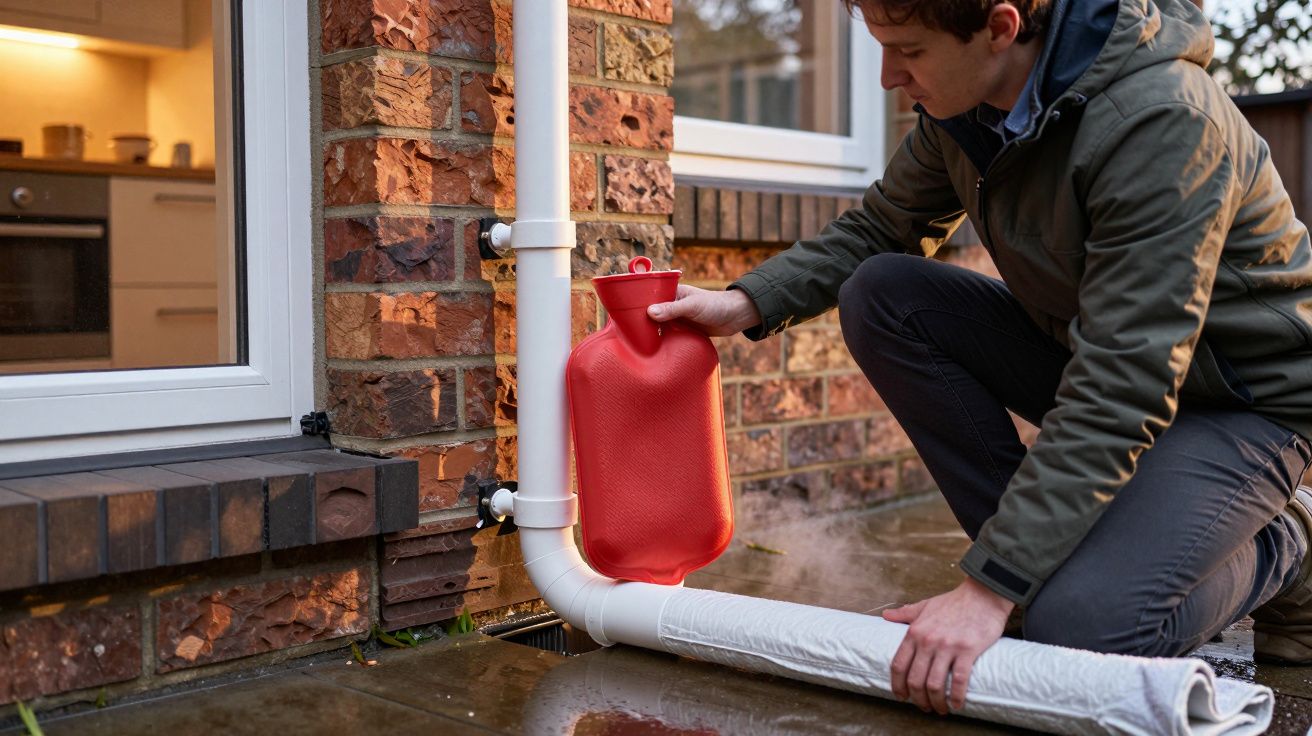
- Warm the pipe with hot (not boiling) water poured over it, or use a hot-water bottle/heat pack held against it.
- Start at the lowest end and work back towards the boiler, so meltwater can escape.
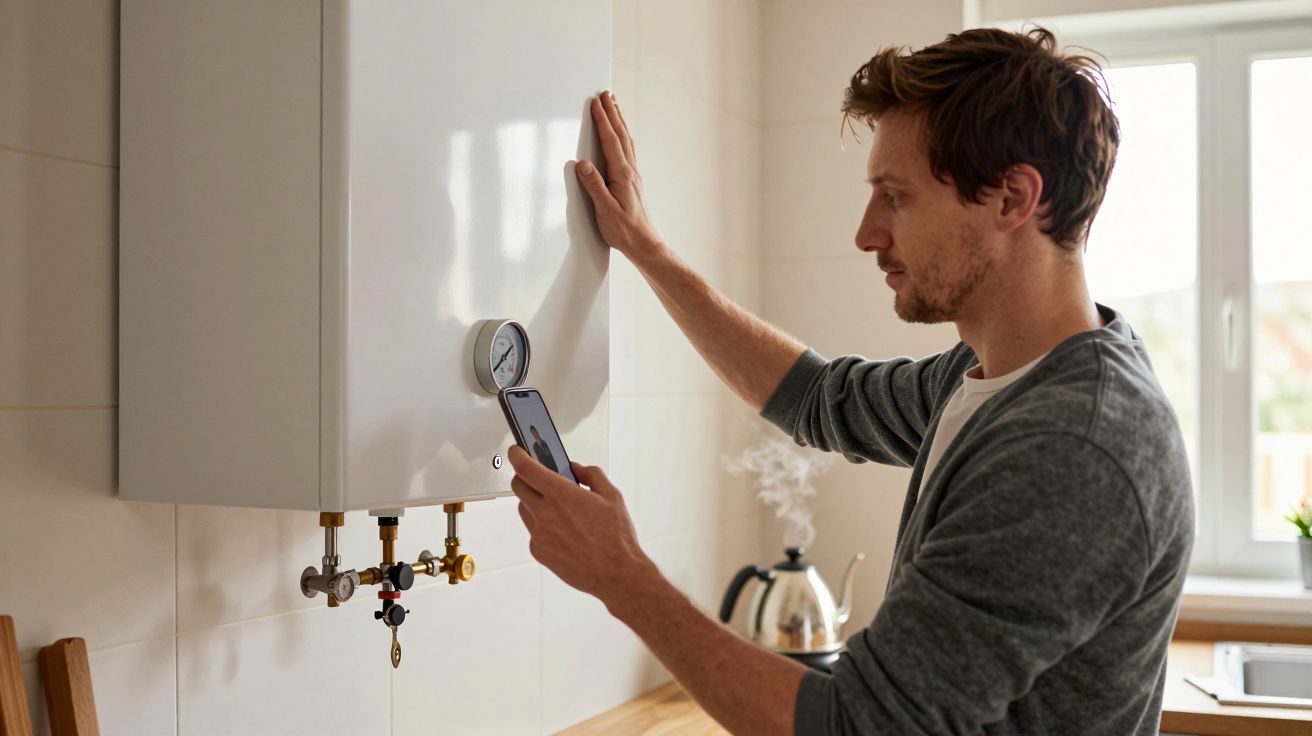
- Once thawed, reset the boiler following the manufacturer’s instructions.
Avoid:
- Boiling water straight from a kettle (can crack plastic pipework).
- Blowtorches, naked flames, or high-heat paint strippers.
- Randomly dismantling the boiler casing (leave internal parts to a Gas Safe engineer).
If thawing works but the problem repeats, treat it as a warning, not a win. You’ve proved the fault; now you can prevent it.
How to stop it happening again (the boring fixes that actually work)
Prevention is mostly about reducing freezing risk on the external run and improving how the pipe drains.
Practical upgrades to discuss with a qualified engineer include:
- Insulating the external section with proper weatherproof insulation (not just indoor foam that soaks and falls apart).
- Shortening the external run or re-routing internally where possible.
- Increasing pipe diameter on external runs to reduce freezing risk (commonly uprated to 32mm in exposed conditions).
- Improving the fall (slope) so condensate doesn’t sit in a flat patch and start an ice plug.
- Adding trace heating (a controlled heating cable) for high-risk installations.
None of this is as exciting as a new boiler. That’s exactly why it gets skipped. But these changes tend to cost far less than a panic call-out, and they remove a failure mode that only exists when you need heat most.
A quick winter checklist you can do in five minutes
You’re not aiming to become an engineer. You’re aiming to notice whether your home is set up to lose heat because of one frozen pipe.
- Find where the condensate pipe exits your home and how long it’s outside.
- Check if it’s insulated and whether that insulation looks intact and dry.
- Look for a sagging section or a long, exposed horizontal run.
- If the pipe runs to a gully, check the gully isn’t blocked with leaves or sludge.
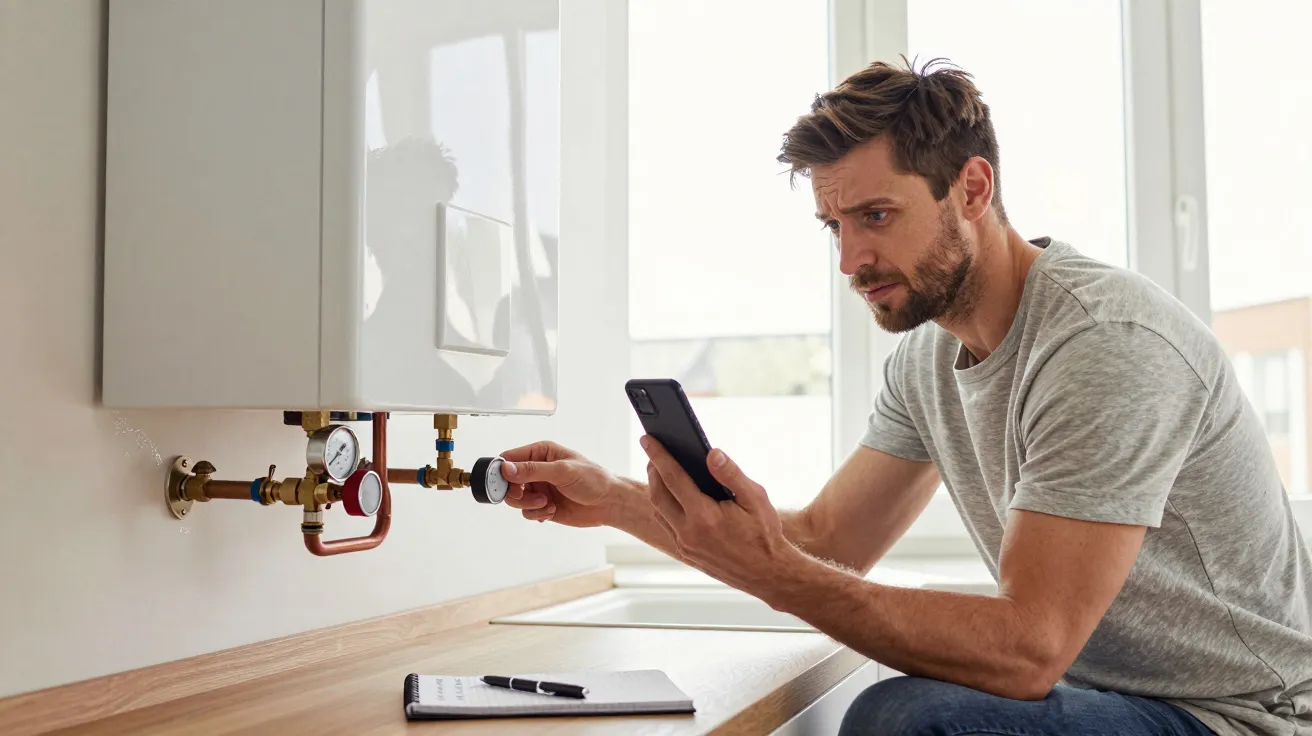
- Save your boiler manual fault-code page to your phone for the first freeze.
This is the kind of prep you’ll thank yourself for at 6:30am, when the house is cold and you’re trying to be calm in front of other people.
| What to look for | Why it matters | Best next step |
|---|---|---|
| Long pipe run outside | More time in freezing air | Ask about re-routing or upsizing |
| Little/no insulation | Pipe chills fast and ices | Fit weatherproof insulation |
| Flat or sagging section | Water pools and freezes first | Improve fall and clipping |
FAQ:
- Why does a frozen condensate pipe shut the boiler down? Modern condensing boilers produce condensate and need to drain it away; if the pipe blocks, the boiler often locks out as a safety measure.
- Can I thaw the pipe myself? You can often thaw the external section safely with hot (not boiling) water or a hot-water bottle, but avoid high heat and don’t open the boiler casing.
- Will this keep happening every winter? Not necessarily, but if the pipe layout is exposed or poorly sloped, it can recur whenever temperatures drop below freezing.
- Is it dangerous? It’s usually not dangerous in itself, but it can leave you without heat and hot water; if you smell gas or suspect a different fault, stop and call a Gas Safe engineer.
- Do I need a new boiler to fix it? Usually no. Insulation, a better route, correct pipe size, and proper fall address the most common causes.



Comments (0)
No comments yet. Be the first to comment!
Leave a Comment