
The oddest money leak I’ve seen lately didn’t come from spending sprees, but from certainly! please provide the text you would like me to translate. sitting quietly on a bank statement like background noise. certainly! please provide the text you would like me to translate. shows up in the same places-monthly account charges, card “maintenance” fees, foreign usage mark-ups-small enough to ignore until you add them up. The shift that changes everything is boring on purpose: stop treating fees as unavoidable, and start treating them as negotiable line items you can reroute.
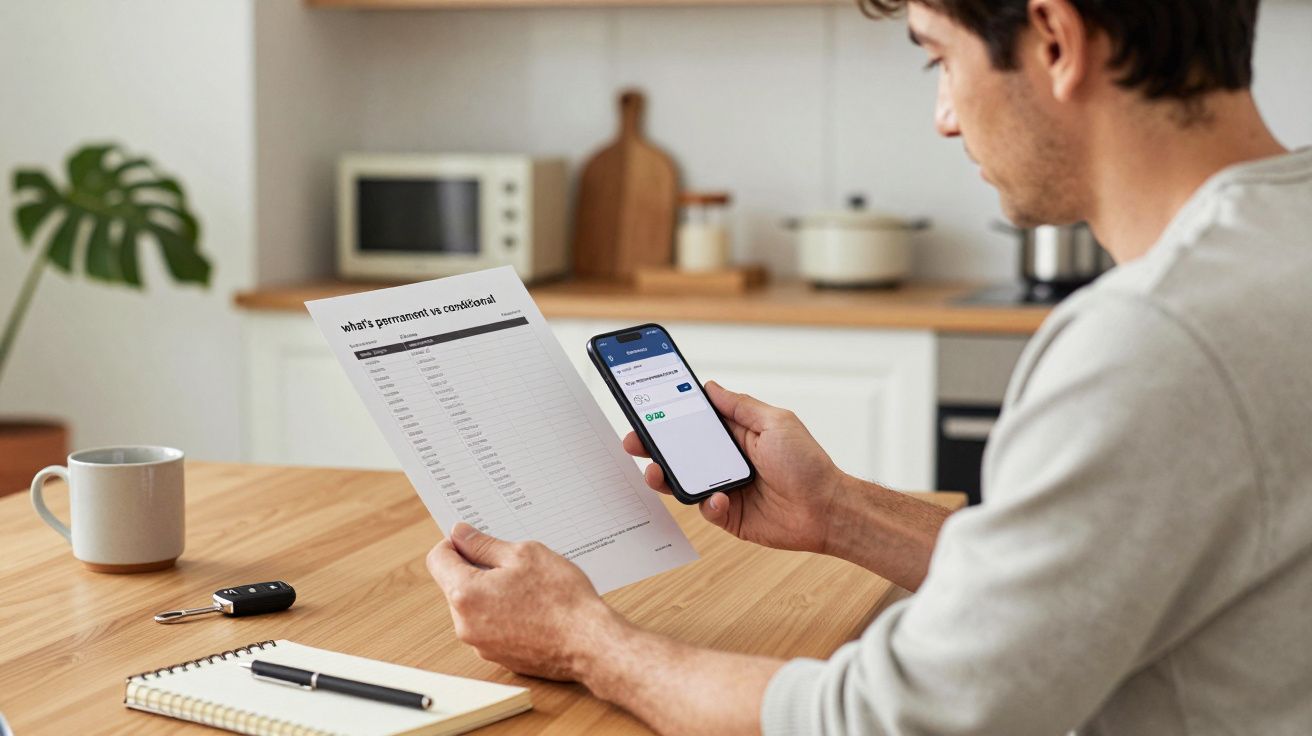
I noticed it over a friend’s kitchen table, laptop open, tea going cold. We weren’t hunting for fraud; we were looking for “normal”. Three fees appeared with such regularity they’d become part of the scenery, like dust on a skirting board. Ten minutes later, she’d cancelled one packaged account, switched the card she used abroad, and set a reminder to challenge a charge that had crept up mid-year. It wasn’t dramatic. It was measurable.
Why hidden bank fees hit harder than you think
Fees are designed to feel harmless because they’re often split into tidy little amounts: £3 here, £7 there, a percentage you only notice when you travel. Banks also tuck them behind friendly labels-“arranged overdraft fee”, “account service”, “paper statement”-which makes them sound like utilities rather than choices. The human brain is excellent at spotting one big cost and terrible at tracking ten small ones.
The bigger issue is timing. A fee that leaves your account just before payday increases the chance you dip into overdraft, and overdraft fees can then stack like dominoes. The “hidden” part isn’t always secrecy; it’s that the fee changes your cashflow rhythm, and the consequences land later.
Take Kam, who thought his current account cost “about a fiver a month”. When we pulled twelve months of statements, the total was closer to £160 once you included the packaged account, two paid-for cash withdrawals, and a run of small arranged overdraft charges on weeks his salary arrived late. Nothing here was scandalous. It was just unattended.
“Fees don’t need to be huge to be powerful. They only need to be frequent.”
The simple shift: audit by category, then replace-don’t just ‘cut back’
Most people try to fix fees by being “more careful”. That’s like trying to keep your curtains fresh by holding your breath while you cook. The better move is structural: identify which category of fee you’re paying, then swap the product or behaviour that generates it.
Here are the main culprits worth checking first:
- Packaged account fees (monthly charges for bundles you may not use)
- Overdraft charges (arranged, unarranged, daily fees, or interest)
- Foreign card fees (non-sterling transaction fees and exchange-rate mark-ups)
- Cash withdrawal fees (especially abroad or via certain machines)
- Payment/transfer fees (CHAPS charges, international transfers, “urgent” payments)
- Paper statement/admin fees (less common now, but still lurking)
The “outsized results” come from replacing one root cause. Switch a travel card, and you erase every foreign mark-up in one go. Change the account type, and twelve monthly fees vanish at once. Set a buffer and alerts, and overdraft charges stop being a surprise tax on being human.
Let’s be honest: nobody does a fee audit because it sounds like homework. But it’s usually a 20–30 minute job once a year, and it pays like a good side hustle.
Step-by-step: the low-fuss fee reset that actually sticks
Start with one hour and one notebook page. You don’t need a spreadsheet unless you love them.
- Pull the last 3 months of statements (6 if you travel seasonally or have variable income).
- Circle anything that looks like a charge-even if it’s “only £1.50”.
- Group charges into categories (packaged, overdraft, foreign, cash, transfer, admin).
- Add each category total and write one sentence: “This fee exists because…”
- Make one replacement decision per category, starting with the biggest total.
A few replacements that tend to deliver quick wins:
- Packaged account you don’t use: downgrade to a free current account, or price-check whether separate insurance would still be cheaper.
- Overdraft fees: request a lower overdraft limit (yes, lower), set a £50–£200 buffer in a separate pot, and turn on low-balance alerts.
- Foreign fees: use a fee-free travel card/account for non-sterling spending and avoid dynamic currency conversion at terminals (“Pay in pounds?” is often the trap).
- Cash fees: withdraw less often but in sensible amounts, and prioritise in-network ATMs where possible.
Common snags? Switching accounts feels scary because of direct debits, and banks count on that. The Current Account Switch Service (CASS) can do the heavy lifting for many switches, including moving payments and closing the old account. Also, don’t assume “fee-free” means “best rate”-check the exchange rate source and whether the card adds a mark-up at weekends.
A calmer money life is usually a quieter statement
The point isn’t to become militant about every penny. It’s to remove the repeat offenders so your budget reflects your choices, not your bank’s default settings. Once you stop the drip, saving starts to look less like willpower and more like physics.
A tiny ritual helps: once a month, scan your statement for two minutes and ask, “Did I pay for anything that wasn’t a decision?” If yes, pick one item to fix. Small habits, tiny costs, real results-the kind you actually keep doing.
| Shift | What you do | What you get |
|---|---|---|
| Audit by category | Group fees (overdraft, foreign, packaged) instead of staring at line items | You see the real drivers fast |
| Replace the cause | Swap the account/card/limits that create the fee | Fees disappear automatically |
| Protect cashflow | Alerts + small buffer | Fewer overdraft cascades |
FAQ:
- Do banks really waive or remove fees if I ask? Sometimes, especially for packaged accounts you don’t use, or if a fee was triggered by an unusual event. Be polite, be specific, and ask what alternatives exist.
- Is switching current accounts risky? It can feel that way, but CASS usually moves direct debits and standing orders for you. Still, keep a small overlap period and watch your payments for the first month.
- What’s the quickest win for travellers? Stop paying in pounds when offered at the till (dynamic currency conversion) and use a card/account that doesn’t charge non-sterling transaction fees.
- How do I avoid overdraft fees without “being perfect”? Lower your overdraft limit, set balance alerts, and build a small buffer pot-even £50 changes the pattern.
- Are packaged accounts ever worth it? Yes, if you genuinely use most of the included benefits (like travel insurance) and the standalone costs would be higher. Otherwise, they’re often the neatest fee to remove.




Comments (0)
No comments yet. Be the first to comment!
Leave a Comment