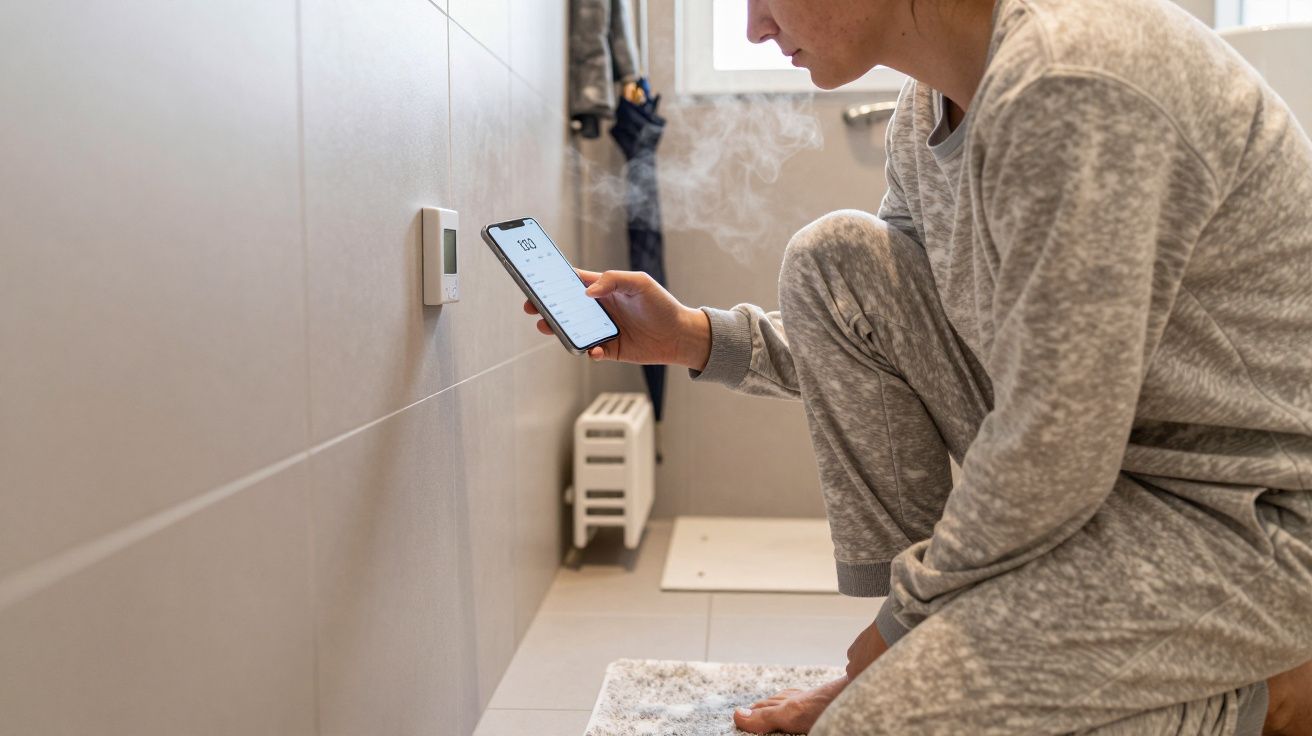
You notice it first in the bathroom: bare feet, a quiet, even warmth that makes the whole house feel a bit more grown-up. Underfloor heating seems like the neat answer to winter heating problems - invisible, efficient, no radiators to work around. Then winter actually arrives, and the “set and forget” dream turns into a small, persistent negotiation with time, insulation, and your energy bill.
It’s not that it doesn’t work. It’s that it works on its own terms. Slow, steady, and completely unimpressed by your last-minute cold snap.
The promise: heat without clutter, comfort without drama
Underfloor heating sells a specific kind of calm. No hot spots, no cold corners, no hiss of radiators kicking in like they’re making a point. You walk in from the rain, and the floor holds you up with warmth instead of attitude.
In autumn, it feels like you’ve cracked it. A low temperature. A gentle background heat. The house feels “even”, which is the word everyone uses when they’re trying to justify the spend.
Then the days shorten, the wind gets sharper, and the system reveals what it’s always been: not a sprint heater, but a slow cooker.
The winter reality: the lag is the feature (and the frustration)
The first true cold week tends to be the moment. You wake up, feel the chill, and instinctively want the heating to respond now. Underfloor heating doesn’t do now. It does eventually.
That delay is physics, not failure. You’re warming a large thermal mass - screed, tile adhesive, thick stone, a whole slab of “hold on” - and it takes time to charge. If you’ve come from radiators, it can feel like the house is ignoring you.
The trouble is the feedback loop. You nudge the thermostat up because you’re cold. Nothing seems to happen, so you nudge it again. Hours later the house overshoots and you’re cracking windows in December, furious at a system that’s doing exactly what you told it to do.
Why it suddenly feels expensive
A common winter shock is less about the technology and more about expectations. Underfloor heating is efficient when it’s running low and steady in a well-insulated home. It’s less forgiving when the building leaks heat faster than the floor can replenish it.
A few patterns show up again and again:
- You’re trying to “boost” it like a radiator. Short bursts don’t play nicely with slow response times.
- The flow temperature is set too high. Especially on heat pumps, this can kneecap efficiency and cost more than it needs to.
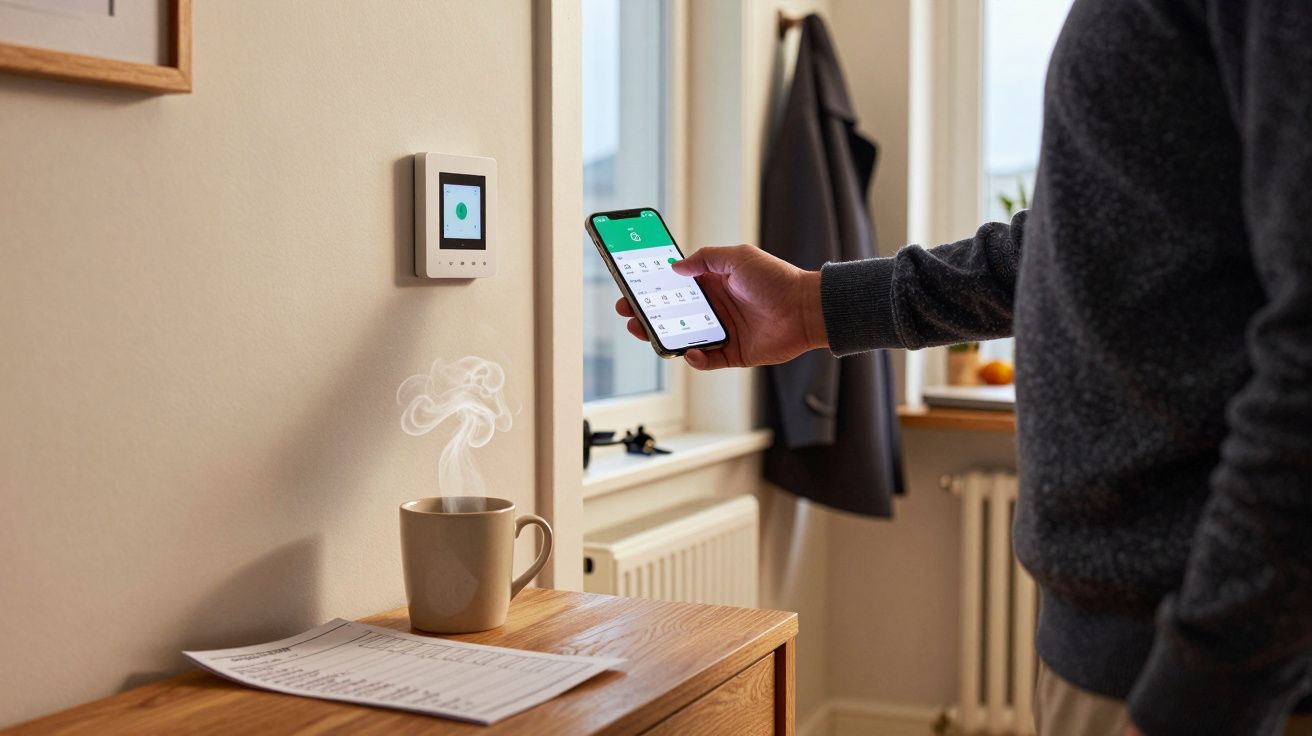
- The schedule is fighting your life. If you’re out all day then want instant warmth at 6pm, the system needs planning, not hope.
- Insulation gaps get louder in winter. Cold subfloors, uninsulated extensions, draughty doors - underfloor heating can’t out-pace a steady leak.
None of this means you’ve made a mistake. It means the system is honest: it will heat what you have, not what you wish you had.
The small faults that feel like big ones in January
Winter has a way of turning minor setup issues into daily irritations. A zone that was “a bit cooler” becomes the room nobody wants to sit in. A slightly off manifold setting becomes a family argument.
A quick reality-check list can save you weeks of second-guessing:
- One room always cold: check the actuator/zone valve, thermostat batteries (if wireless), and whether the loop is actually open.
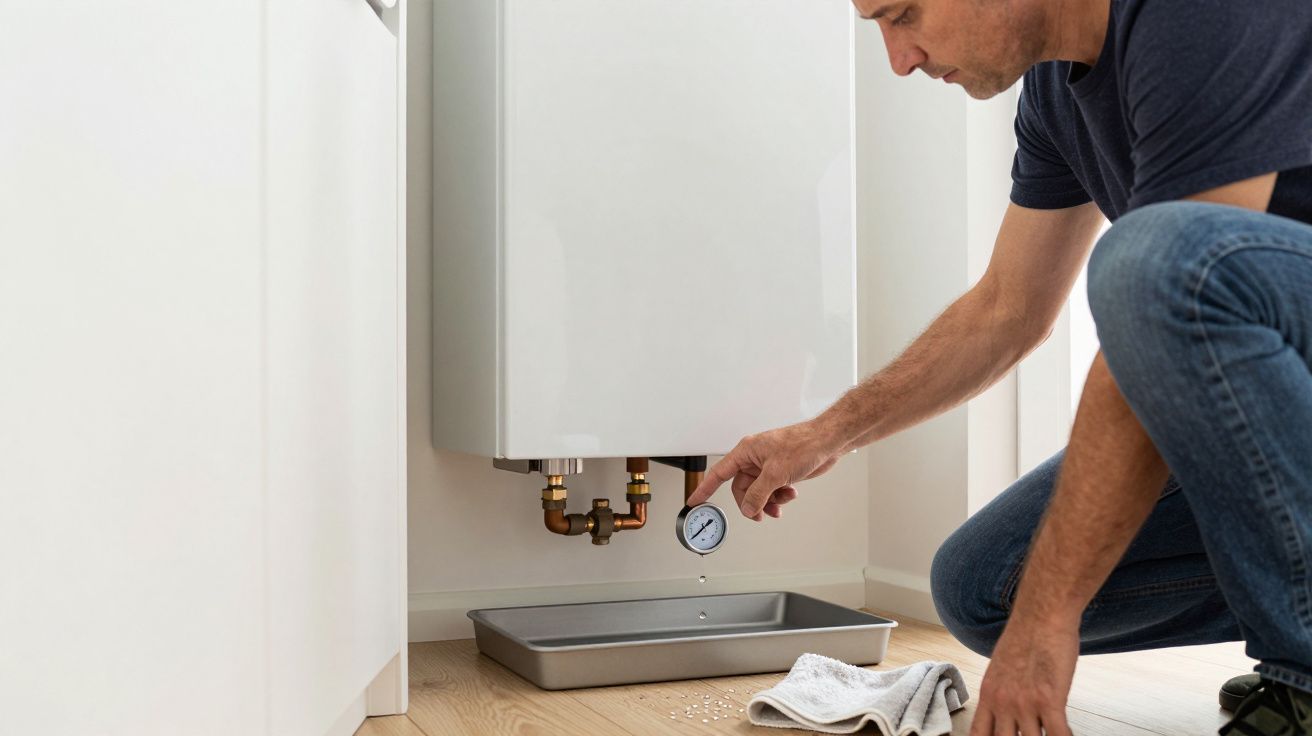
- Patchy warmth on the floor: it can be air in the system, poor balancing, or a rug acting like a lid.
- System runs forever: look at insulation, flow temperature, and whether you’re asking for too big a temperature jump too quickly.
- Heat pump struggling: underfloor heating is usually ideal for heat pumps, but only if settings are tuned for low-temperature heating.
If you’re on electric underfloor heating, the winter pain often has a different flavour: it warms quickly, feels lovely, and can become eye-watering if it’s heating large areas for long periods. Bathrooms are bliss. Whole-ground-floors can be a budgeting exercise.
Make it work like it wants to work: steadier, not hotter
The most useful mindset shift is simple: stop treating underfloor heating like a tap. Treat it like a tide. You don’t get to yank it into place; you time it.
A few adjustments tend to pay off quickly:
- Aim for smaller temperature changes. A steady baseline with a gentle rise is usually more comfortable than big swings.
- Start earlier than you think. In cold weather, pre-heating needs hours, not minutes.
- Use weather compensation if you have it. Let the system respond to outdoor temperature so you’re not constantly chasing comfort.
- Don’t smother it. Thick rugs and foam underlay can reduce output; if you love rugs, choose ones rated for heated floors.
- Get the zones balanced. One overheated room can hide another that’s starving; balancing is dull but transformative.
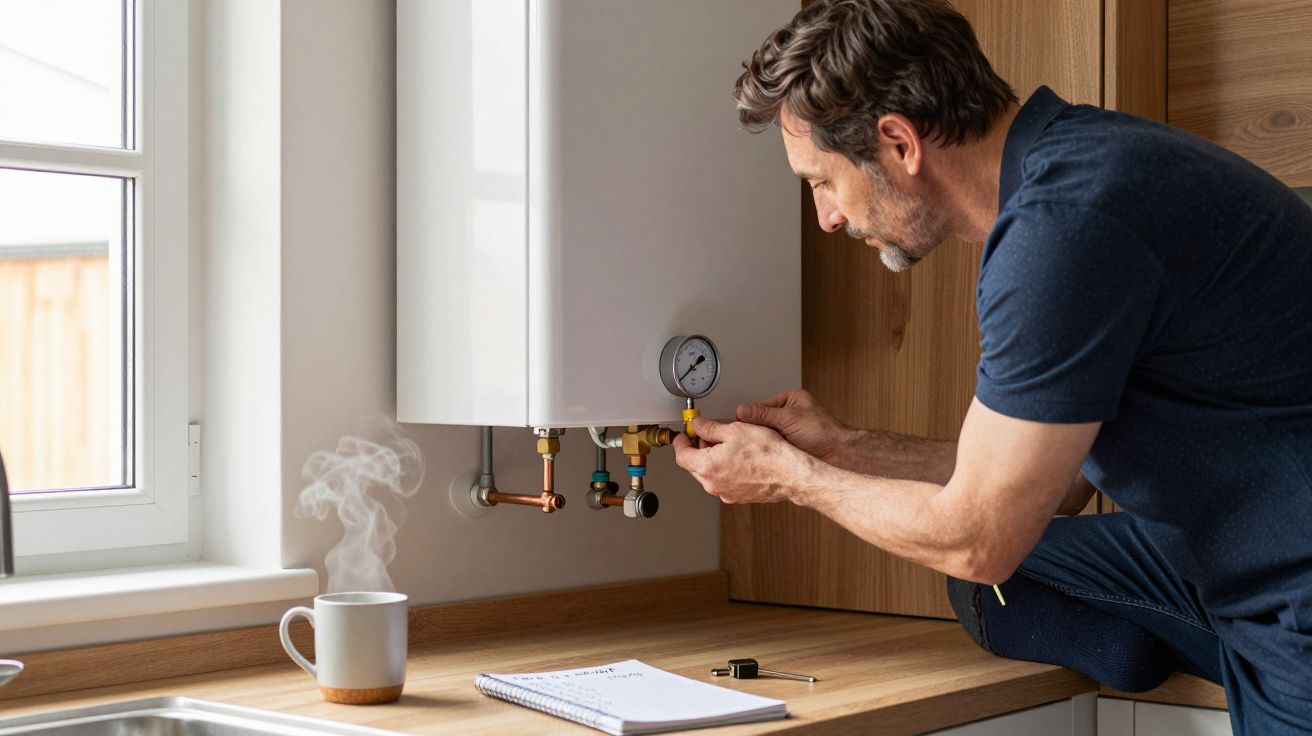
Let’s be honest: nobody wants to become their own heating engineer. But a single afternoon of tuning can turn a winter of annoyance into the quiet comfort you paid for.
The “it looked perfect” part wasn’t wrong
Underfloor heating is still one of the nicest ways to warm a home. The comfort is real, and the lack of visual clutter matters more than you expect once you’ve lived with it.
The catch is that winter doesn’t reward vague settings and last-minute decisions. It rewards systems that are calibrated, insulated, and allowed to run in a way that matches their design. When you meet it there - with patience, planning, and a little less fiddling - it stops feeling like a disappointment and starts feeling like the floor is on your side.
| Winter snag | Likely cause | Quick first move |
|---|---|---|
| Cold mornings, warm afternoons | Thermal lag + over-correction | Reduce thermostat swings; start heating earlier |
| High bills without comfort | Heat loss/flow temp too high | Check insulation/draughts; lower flow temp if possible |
| One room always chilly | Zone/loop issue or balancing | Confirm actuator opens; get system balanced |
FAQ:
- Is underfloor heating meant to be left on all the time in winter? Often, yes - or at least kept at a steady baseline with small scheduled adjustments. Big on/off swings can be inefficient and uncomfortable because the system responds slowly.
- Why does it feel like it’s doing nothing for hours? You’re heating the floor build-up (screed/tiles) before the room temperature changes. That thermal mass stores heat, which is great once charged, but slow at the start.
- Can rugs really make it colder? They can. Thick rugs and underlay add insulation on top of the heat source, reducing output and making the room harder (and more expensive) to heat.
- What temperature should I set? There isn’t one universal number. Aim for a stable comfort temperature and avoid large jumps; if you have a heat pump, keeping flow temperatures low is usually key for efficiency.



Comments (0)
No comments yet. Be the first to comment!
Leave a Comment