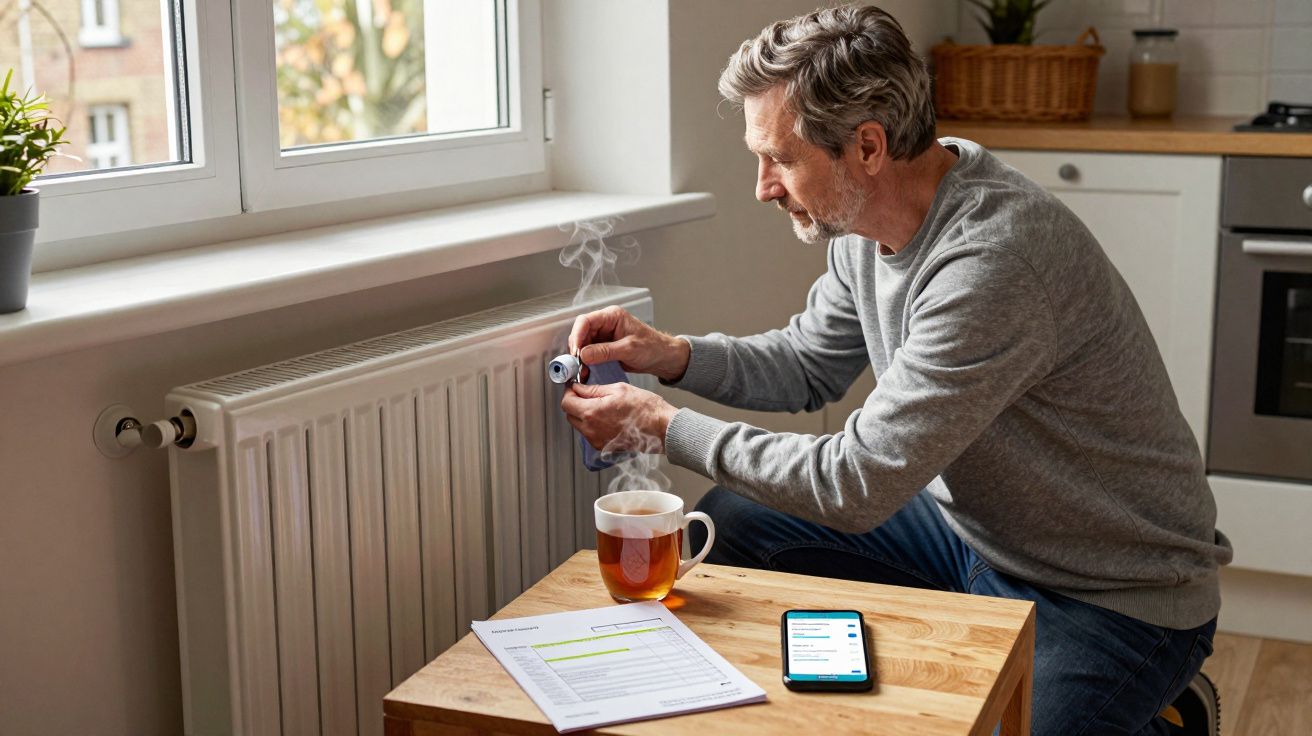
Heating bills have turned home heating into a weekly calculation, not a once-a-year decision. Heating systems are still doing the same job-keeping rooms liveable through damp UK winters-but 2026 heating trends are changing what “normal” looks like in boilers, radiators, stoves and controls. The shift isn’t just about new kit; it’s about rules, fuel choices, and what households can realistically run without wasting money or falling foul of air-quality pressure.
By 2026, more people will notice that the biggest change isn’t a single miracle device. It’s that the default assumptions-cheap gas, easy wood burning, “set and forget” timers-stop being reliable.
The quiet reset: efficiency first, fuel second
For years, many homes treated heating like a fuel problem: gas versus electric, logs versus pellets, “whatever’s cheapest this month”. The direction of travel into 2026 flips that order. The winners are the homes that need less heat in the first place, because every technology performs better when it’s not fighting draughts and under-insulated walls.
That’s why the most consistent 2026 pattern looks unglamorous: tighter homes, smarter zoning, and smaller heat sources running for longer, steadier periods. If your house holds heat, you can run lower flow temperatures, reduce cycling, and keep comfort without the aggressive spikes that turn bills into surprises.
A lot of households will end up doing a “two-step” upgrade rather than one big leap:
- draught-proofing, loft insulation, basic radiator balancing first
- then controls, emitters, and finally a bigger change (like a heat pump) when the numbers make sense
Heat pumps stop being “new”-but they won’t suit every house as-is
By 2026, heat pumps will feel less like a niche recommendation and more like a standard option people compare against a boiler. The pitch also matures: fewer promises of instant savings, more focus on correct design-flow temperature, radiator sizing, and hot-water demand.
If a heat pump disappoints, it’s usually because the home is asking it to do a boiler’s job at boiler temperatures. The 2026 reality is that many successful installs will include at least one of these changes:
- bigger radiators or added emitters so rooms heat well at lower temperatures
- better control of zones and schedules (less “heat the whole house, all day”)
- more attention to hot-water cylinder sizing and reheating times
None of this is as dramatic as “rip it all out”. It’s more like moving from sprint heating to endurance heating: quieter, steadier, and less prone to expensive peaks.
Boilers evolve into the “bridge” technology (and they get judged harder)
Gas boilers aren’t vanishing overnight, but the expectations tighten. By 2026, the conversation is less “is a boiler efficient?” and more “is this boiler being run efficiently?”. Weather compensation, proper system balancing, and lower flow temperatures move from nerd territory into everyday advice.
There’s also a growing sense that a boiler replacement is no longer a neutral decision. Many households will treat it as a short-term bridge: buy the most controllable, low-waste setup you can, and avoid locking yourself into sloppy design for the next 12–15 years.
If you’re keeping a boiler into 2026, the practical trend is simple: make it behave more like a modern, modulating heat source and less like an on/off blast furnace.
Wood, pellets and “free fuel” get more complicated
The last few winters showed how quickly “cheap” solid fuel can become unpredictable. Pellet prices wobble; log quality varies; and the temptation to burn whatever’s available creeps in when bills bite.
The 2026 trend is a split. In rural areas with space, the right appliance, and decent fuel supply, modern wood-burning can remain a deliberate choice. In towns and cities, the pressure goes the other way: smoke complaints, tighter local rules, and a general shift against dirty combustion.
And the pallet-fire idea-picking up “free wood” from behind shops-sits right on that line between thrift and risk. If people do it, the safety conversation becomes unavoidable:
- only heat-treated/untreated pallet wood (look for “HT” or “DB” markings)
- never painted, stained, or chemical-smelling wood
- more chimney sweeping and stricter use of carbon monoxide alarms
In other words, the easy part is finding wood. The hard part is making sure you’re not burning a history of treatments, spills, and coatings.
Controls become the real upgrade people feel day to day
By 2026, a lot of households will buy less “hardware” than they expected and more control. Not because apps are magical, but because mismatched schedules are expensive: heating empty rooms, overheating the coldest space to warm the warmest, or blasting the system to recover from long off-periods.
The practical control trends are simple and human:
- zoning that matches how the home is actually used, not how it “should” be used
- setbacks instead of switch-offs, especially in colder, damper properties
- better feedback, so you can see what changed when the bill changed
People rarely fall in love with a thermostat. They fall in love with not thinking about it-and still feeling warm.
How to read your own 2026 heating choice without getting lost
When the options pile up-heat pump quotes, boiler upgrades, “hybrid” talk, wood back-up-it helps to chase a few numbers and truths before you chase a technology.
Start with these:
1. Heat loss: how quickly your home bleeds warmth on a cold day.
2. Flow temperature: the lower you can run it, the more options you have.
3. Fuel stability: how predictable your cost is across a winter, not a week.
Then sanity-check with the realities that decide comfort:
- Can you keep bedrooms comfortable without overheating the lounge?
- Do you have space for equipment, cylinders, and maintenance access?
- Can you store fuel safely and legally if you’re using solid fuel at all?
The point isn’t to “win” with the newest system. It’s to stop paying for heat you never get to feel.
| Change by 2026 | What it looks like at home | Why it matters |
|---|---|---|
| Efficiency-first thinking | insulation, balancing, lower flow temps | lowers bills whatever the heat source |
| Heat pumps become mainstream | more upgrades to radiators/controls | better comfort, fewer performance shocks |
| Solid fuel under scrutiny | cleaner fuel choices, fewer smoky fires | health, neighbours, compliance |
FAQ:
- Will I have to replace my boiler by 2026? Not automatically, but the trend is towards running boilers more efficiently (lower flow temps, better controls) and treating replacements as a bridge rather than a long-term default.
- Are heat pumps worth it in older UK homes? Often, yes-but usually with supporting work such as insulation improvements and radiator upgrades so the system can run at lower temperatures comfortably.
- Is burning pallet wood a sensible money-saver? Only with strict safety rules: use heat-treated/untreated marked pallets, avoid painted or contaminated wood, and expect extra effort (cutting, drying, sweeping) plus possible local restrictions.
- What’s the simplest change that helps most homes by 2026? Draught-proofing, loft insulation where possible, and basic system tuning (bleeding/balancing radiators and improving controls) usually deliver the fastest, least risky gains.





Comments (0)
No comments yet. Be the first to comment!
Leave a Comment