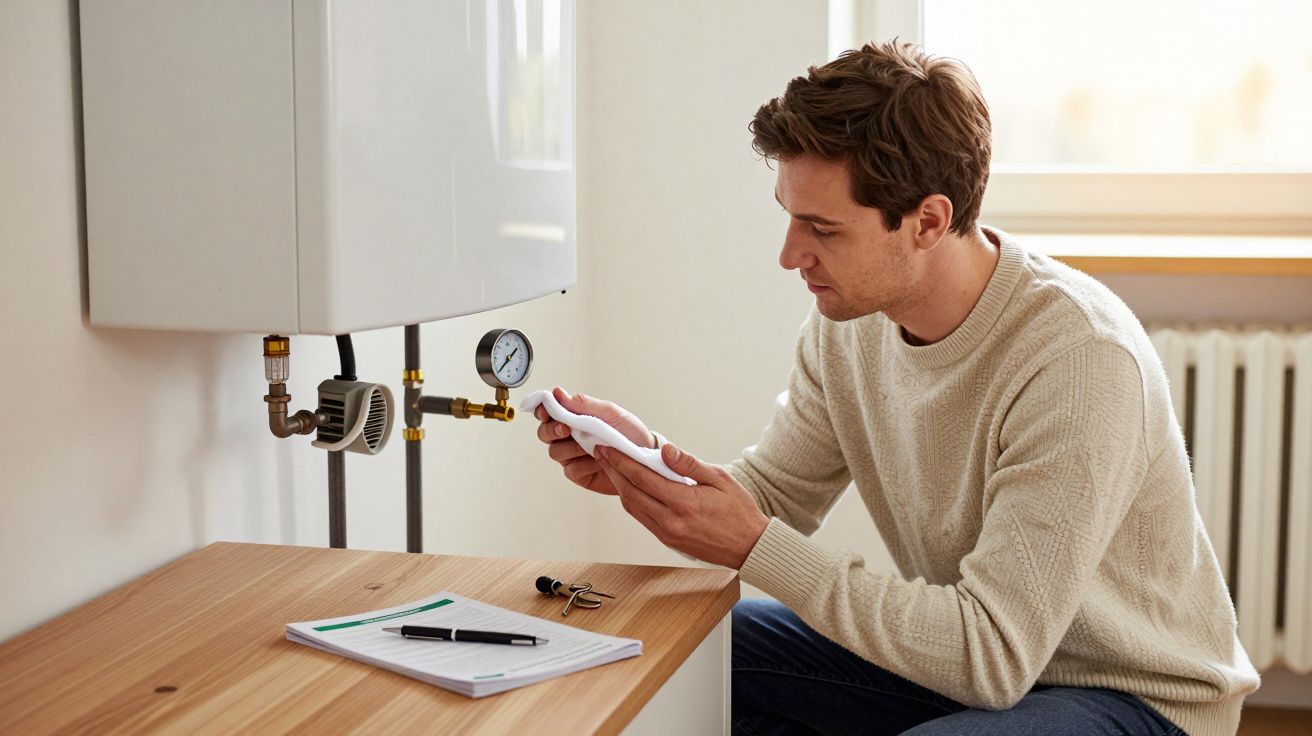
Most of us only think about central heating systems when the house turns cold, the radiators start clanking, or the boiler makes a noise it absolutely didn’t make last winter. Skipping a service once feels harmless, but it’s often the moment component wear begins to speed up - quietly, in places you never look. It matters because the system doesn’t just “stop working”; it drifts, becomes less efficient, and starts asking for bigger repairs later.
You don’t notice it on day one. That’s the trick. Like a car that still starts after missing an oil change, a heating system can keep running while it’s slowly doing damage to itself.
The myth of “it ran fine last year”
A missed service rarely causes an immediate breakdown. More often, it shifts the system from “clean and balanced” to “working harder than it should”, which is why the change feels invisible at first. The water still circulates, the boiler still fires, and the thermostat still clicks on as usual.
But inside, things start to drift out of the tidy conditions the system was designed for: pressures creep, deposits build, and moving parts run a little rougher. The boiler doesn’t complain in words - it complains in extra cycles, extra noise, and extra fuel.
What changes first: the small stuff you don’t see
When maintenance is skipped once, the earliest changes are usually boring, physical, and cumulative. Not dramatic faults. Just friction, dirt, and imbalance.
1) The water quality starts to slip
Even in sealed systems, the water is never “perfect”. Over time, corrosion products (magnetite sludge), limescale in hard-water areas, and tiny bits of debris accumulate. Servicing is when engineers often check symptoms and, where appropriate, recommend cleaning steps or inhibitor top-ups.
When that check doesn’t happen, you can get:
- darker system water and more sludge circulating
- radiators that heat unevenly (hot at the top, cooler at the bottom)
- a pump that has to push harder to get flow
None of these has to stop the heating. They just make it work harder to achieve the same comfort.
2) Filters, traps, and strainers do their job… until they can’t
If you have a magnetic filter, it starts collecting more of the fine metallic debris you’d rather not send through the boiler’s heat exchanger. That’s good - but filters need cleaning. Skip a service and the filter may slowly choke flow.
Some systems also have internal strainers or traps that aren’t obvious to a homeowner. If they begin to clog, you may see subtle signs: longer heat-up times, noisier pipework, or radiators furthest from the boiler lagging behind.
3) Component wear accelerates in the “always moving” parts
This is where component wear becomes expensive. Pumps, diverter valves, fan assemblies, and motorised valves are built to run smoothly, not fight dirty water, air pockets, or poor circulation.
A system that’s slightly sludged or slightly air-bound asks those parts to do more work, more often. The heating still comes on - but it’s starting to grind.
The boiler doesn’t just heat water - it manages combustion
The service isn’t only about the wet side (pipes and radiators). A modern boiler is also a controlled combustion appliance, with sensors, fans, and safety checks working together. Skipping that inspection doesn’t mean the boiler instantly becomes unsafe, but it does mean small deviations can go unnoticed.
The slow drift: efficiency down, cycling up
When things are not set up quite right - air/fuel mix slightly off, condensate path partially restricted, heat exchanger surfaces less clean - the boiler may “short cycle”. That means it fires up, shuts down, then fires again more than it should.
You feel this as a house that never quite settles into a steady warmth. The boiler feels busier. Your gas bill quietly rises.
Condensate and the awkward stuff you don’t want to think about
Condensing boilers produce acidic condensate that must drain away. During servicing, engineers often check the trap and discharge route. Miss that, and blockages can develop or worsen, especially in winter.
When condensate can’t leave cleanly, boilers can lock out. That’s the maddening scenario where everything was “fine” until a cold snap, then the display throws an error at 6:30 a.m.
The ripple effect: one missed check can mask two growing problems
A lot of heating issues aren’t single faults; they’re combinations. Skipping maintenance once can allow two separate “minor” problems to grow until they collide.
A common pattern looks like this:
- inhibitor level drops or sludge increases
- circulation gets slightly worse
- boiler runs hotter internally to meet demand
- heat exchanger scaling/sludging worsens
- parts run longer, hotter, louder - and then fail
It’s not a morality tale. It’s just physics and dirty water meeting precision components.
What you might notice at home (and what it usually means)
You don’t need to diagnose the system, but it helps to recognise early hints that maintenance was doing more work than you realised.
- Radiators need bleeding more often: air is getting in or being produced by corrosion; the system may also be running at suboptimal pressure.
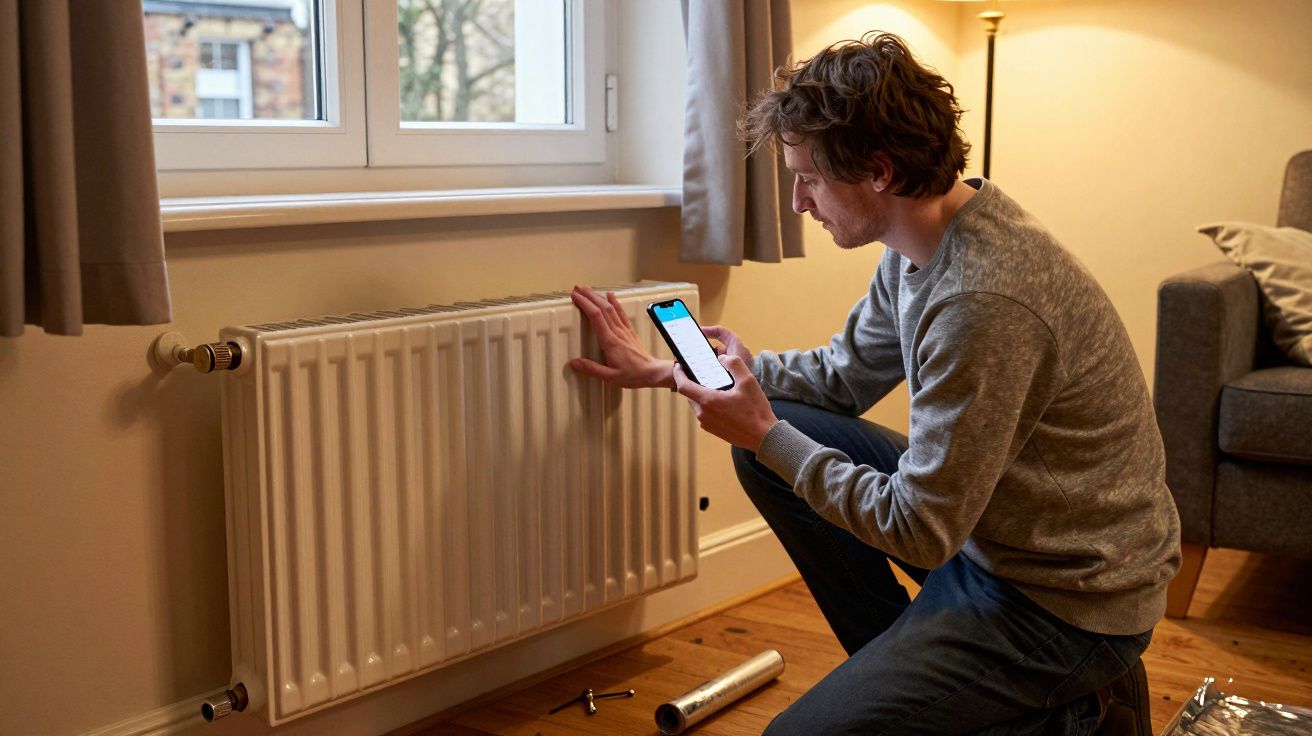
- One or two radiators are stubbornly cooler: flow restriction, balancing issues, sludge build-up, or a stuck valve.
- Boiler gets noisier: kettling from scale, a struggling pump, fan wear, or poor combustion setup.
- Pressure keeps dropping: potential leaks, expansion vessel issues, or pressure relief valve weeping.
- Hot water goes warm/cold in bursts (combi boilers): flow sensors, diverter valve wear, scaling, or poor flow rate.
None of these guarantees disaster. They’re just the system’s way of saying, “I’m compensating.”
The uncomfortable truth: the system can “cope” while it deteriorates
The reason one skipped service is so tempting is that the house usually stays warm. Central heating is forgiving - until it isn’t. A boiler can burn a bit dirtier, a pump can push a bit harder, and a heat exchanger can run a bit hotter for quite a while.
But the bill for that coping shows up later, often as:
- a failed pump or diverter valve
- blocked heat exchanger symptoms
- repeated lockouts in cold weather
- more frequent topping-up (and more corrosion from fresh oxygenated water)
What to do if you’ve already skipped it
If you missed a service once, don’t panic and don’t “make up for it” with guesswork. Do the simple, sensible steps.
- Book a service and mention any changes you’ve noticed (noise, pressure drops, uneven radiators).
- If you have a magnetic filter, ask for it to be checked and cleaned.
- Ask whether inhibitor concentration should be tested/top-up considered (especially if you’ve drained radiators or topped pressure up repeatedly).
- If radiators are cold in patches, ask about balancing and whether a powerflush is actually warranted (sometimes it is; often targeted cleaning is enough).
The goal is to get back to steady, low-stress running - not to throw money at every possible upgrade.
A small skip, a bigger knock-on
Skipping maintenance once usually doesn’t “break” central heating systems. It just nudges them into a mode where grime, air, and heat do a little more harm each week than they should. The comfort stays, so the warning feels theoretical - until the first genuinely cold morning when the boiler decides it’s had enough.
If there’s a silver lining, it’s this: catching the drift early is often the cheapest point to intervene. After that, component wear stops being an invisible process and starts becoming a receipt.




Comments (0)
No comments yet. Be the first to comment!
Leave a Comment