It usually starts with a smug little number on a brochure: “up to 400% efficient”. Then energy efficient heating goes in - a heat pump, smart controls, low‑flow radiators - and the first winter bill lands with a dull thud. The gap between promise and usage reality is where “efficient” can quietly become “expensive”, especially in UK homes that don’t behave like the lab.
Most systems aren’t lying. They’re just sensitive. They deliver their savings when the house is insulated, the emitters are sized right, and the controls are used the way the designer assumed you would.
The quiet switch: when “efficient” depends on conditions you don’t have
A heat pump is at its best when it can run gently for long stretches, pushing low‑temperature heat into a well‑sealed home. Put that same unit in a draughty terrace with small radiators and a stop‑start schedule, and it has to work harder to hit comfort. Harder work means higher flow temperatures, more electricity per unit of heat, and sometimes a backup heater kicking in.
The result is rarely a dramatic “failure”. It’s a steady drift: higher kWh, a system that never quite feels warm, and a growing habit of overriding the controls because the house isn’t matching the model.
The efficiency number you’re sold vs the one you live with
Manufacturers talk about COP (coefficient of performance): heat out divided by electricity in. A COP of 3 means 1 kWh of electricity becomes 3 kWh of heat. The catch is that COP changes with conditions, particularly the temperature lift: how far the system has to raise heat to warm your home.
- Mild weather + low flow temperature = higher COP.
- Colder weather + higher flow temperature = lower COP.
- Defrost cycles, poor airflow, and cycling on/off can lower it again.
That’s the usage reality in a sentence: the bill follows the lived COP, not the brochure COP.
The “it’s cheaper if you leave it on” advice - when it backfires
You’ll hear it a lot: “Heat pumps like steady heat; don’t turn it off.” That can be true in a well-insulated home where the indoor temperature barely falls overnight. In a leaky home, “steady” can become “constant heat loss”, and you end up paying to warm the street.
A Bristol friend with a newly fitted heat pump tried the set‑and‑forget approach in a Victorian semi with suspended floors. The house felt nicer in the morning, but the meter span harder all day. When they trialled a modest overnight setback and tightened up draughts, comfort improved and costs eased - not because the heat pump changed, but because the building did.
A quick sense-check for your own home
Try a two‑week comparison rather than guessing:
- Week 1: steady temperature (small setback at most), log daily kWh and indoor comfort.
- Week 2: timed schedule with a gentle warm‑up, log the same.
- Keep weather in mind: compare similar outdoor temperatures if you can.
If Week 1 costs more and comfort isn’t markedly better, “leave it on” may not be your house’s winning move.
The common culprits that push running costs up
Most “surprise bills” come from a handful of issues that don’t look like faults at first glance.
1) Flow temperature creeping up
Higher flow temperature usually means lower efficiency. It creeps up because radiators are undersized, the house loses heat fast, or the installer set it high to avoid callbacks.
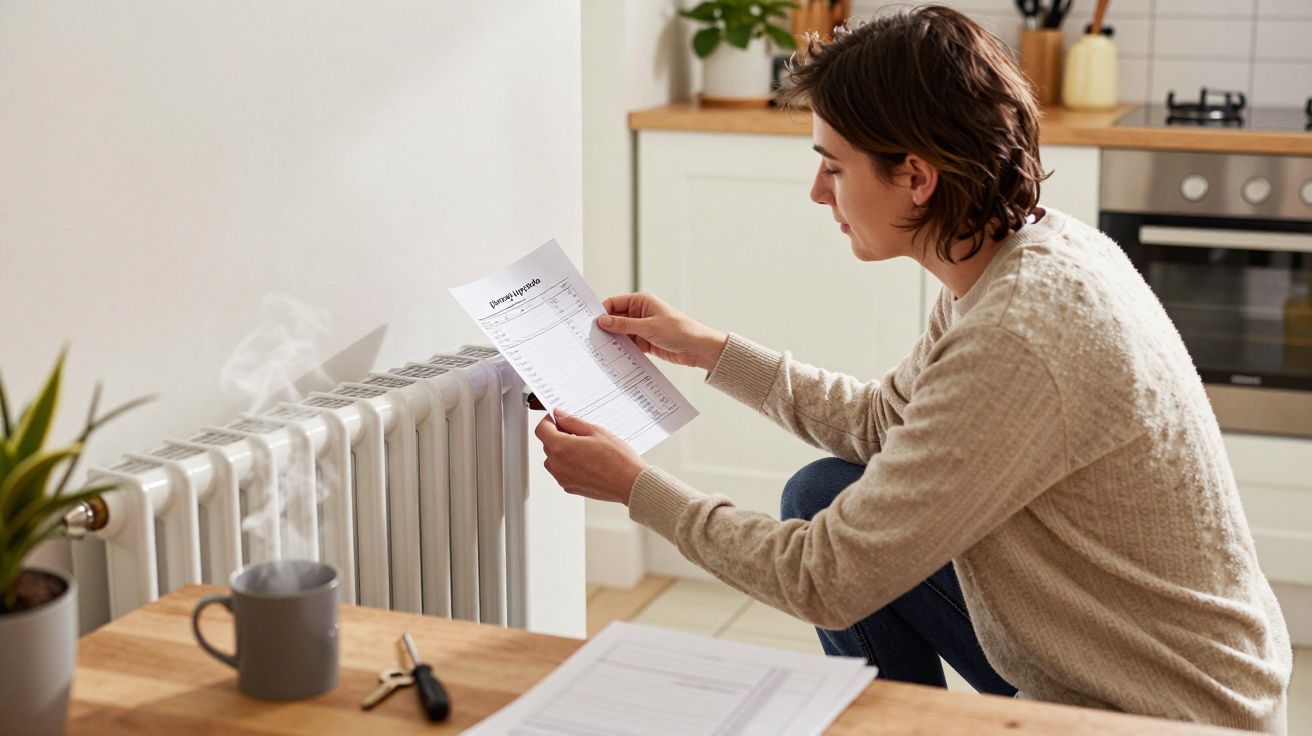
Look for patterns: if the system is regularly running at hot‑radiator temperatures, you’re effectively asking it to behave like a boiler without the same economics.
2) A hidden electric backup doing the heavy lifting
Many heat pump systems include an immersion or resistive backup heater. It’s there for safety and peak demand, but if it’s running often, costs jump fast because it’s typically “1 kWh in = 1 kWh out”.
Signs it might be happening:
- Sudden spikes in electricity use during cold snaps.
- Hot water recovery that seems unusually “fast”.
- Installer menus showing auxiliary heat enabled aggressively.
3) Controls that fight the system
Heat pumps don’t love constant on/off calls for heat. Smart thermostats set up for boilers can create short cycling, which wastes energy and wears components.
Common mismatches include:
- Thermostatic radiator valves shutting down too many rooms, starving the system of flow.
- Aggressive “boost” modes that force high temperatures.
- Multiple zones calling at different times, causing constant ramping.
4) Tariff mismatch: the maths isn’t on your side
If your electricity unit rate is high and your old gas boiler was reasonably efficient, you need a decent real‑world COP to win on running cost. That doesn’t mean heat pumps are “bad”; it means pricing and performance have to align.
As a rough, practical rule: the higher the electricity-to-gas price ratio, the more your real‑world COP matters.
What to do before you blame the technology
You don’t need to become an engineer, but you do need a few grounded checks. Think of it like stopping a washing machine smell: you fix the conditions that create the problem, not the drum’s personality.
Start with the building, not the app
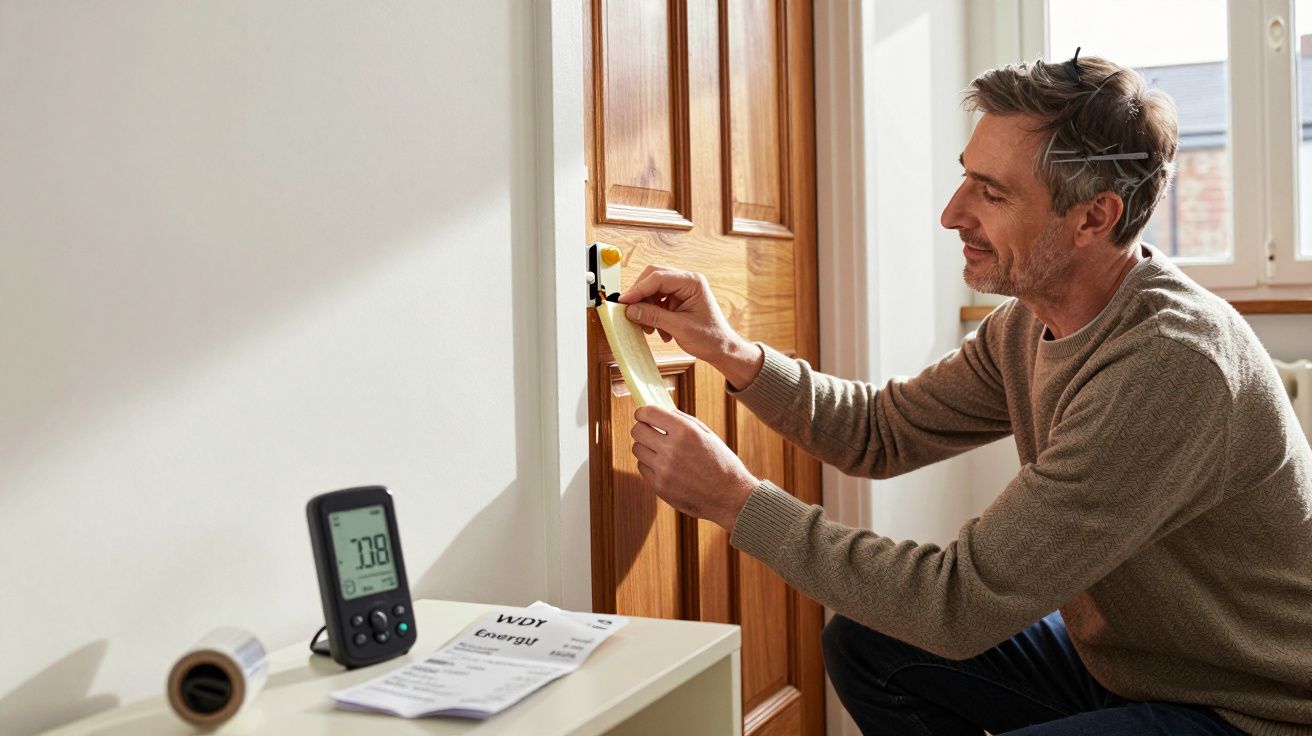
- Draught-proof obvious gaps (doors, letterbox, sash leaks).
- Top up loft insulation where possible.
- Check underfloor drafts if you have suspended timber floors.
- Close curtains at dusk; it’s boring, but it works.
Every kWh you don’t lose is a kWh your “efficient” system doesn’t have to replace at peak price.
Then check the system basics
- Ask what flow temperature and weather compensation curve are set to.
- Confirm whether the backup heater is enabled, and under what conditions it triggers.
- Make sure radiators (or underfloor loops) are sized for lower temperatures.
- Bleed and balance radiators; poor circulation forces higher settings.
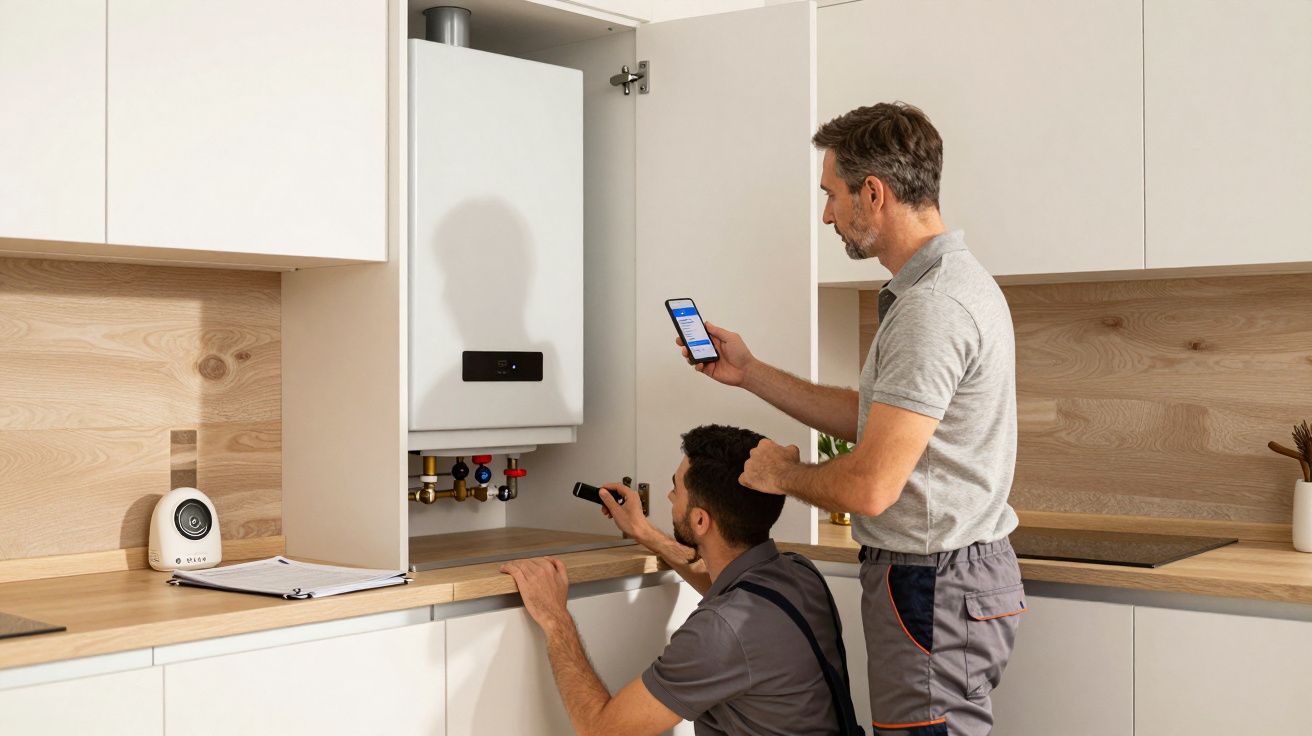
If you rent or you’re not comfortable adjusting settings, ask for a service visit framed around performance: “Can you show me the measured flow temps, cycling rate, and whether auxiliary heat is running?”
The honest takeaway: efficiency is real, but it’s not automatic
Energy efficient heating can be cheaper to run, quieter, and more comfortable - when it’s designed for the home and operated with the home’s usage reality in mind. The expensive version often isn’t a dud unit; it’s a good unit in the wrong conditions, nudged into inefficient behaviour by heat loss, high temperatures, or control logic built for a boiler.
If you want one guiding principle, make it this: lower the heat loss, lower the flow temperature, and keep the system steady enough to avoid frantic catch‑up. That’s where “efficient” stops being a label and becomes a bill you can live with.
FAQ:
- Is a heat pump always cheaper than a gas boiler to run? Not always. It depends on your electricity and gas unit rates, your home’s heat loss, and the system’s real-world COP.
- What’s the quickest sign my system is running inefficiently? High flow temperatures and frequent cycling are common red flags. Another is regular use of an electric backup heater.
- Should I leave a heat pump on all the time? Sometimes, especially in well-insulated homes. In draughty homes it can backfire; test steady vs scheduled heating over a couple of weeks and compare kWh and comfort.
- Can smart thermostats make heat pumps cost more? Yes, if they’re set up with boiler-style on/off behaviour that causes short cycling or frequent boosts. Heat-pump-friendly control strategies usually work better.




Comments (0)
No comments yet. Be the first to comment!
Leave a Comment