
Low-carbon heating is turning up in British homes through heat pumps, hybrid systems and district networks, often replacing gas boilers as part of net zero plans. Yet the most common stumbling block is not the technology itself but system compatibility: whether the new kit actually matches the radiators, pipework, controls and insulation already in place. Get that fit wrong and a “greener” upgrade can feel colder, noisier and more expensive than the old boiler.
This is why some households come away confused. They expected lower carbon and lower bills, but instead find rooms that never quite reach temperature, hot water that runs out, or an electricity meter spinning faster than predicted.
The promise: cleaner heat, fewer fossil fuels
The appeal is straightforward. Heat pumps move heat rather than make it by burning fuel, so they can deliver more heat than the electricity they use. In areas with cleaner grids, that cuts emissions quickly, especially compared with older gas boilers.
For many homes, low-carbon heating is also a hedge against future policy and pricing. Gas is unlikely to get cheaper in the long run, and new building rules keep nudging properties towards electric-ready systems.
Where it goes wrong: the “it should just plug in” myth
A boiler is forgiving. You can often run it hot, blast the radiators, and brute-force comfort even in a draughty house. Many low-carbon systems don’t work like that, particularly air-source heat pumps, which tend to operate best with lower flow temperatures over longer periods.
The trap is assuming a heating upgrade behaves like a boiler swap. With low-carbon systems, the house and the heating circuit are part of the product.
If your home was effectively “designed” around a boiler running at 70–80°C flow temperature, asking the same radiators to heat rooms at 35–50°C can expose weaknesses fast.
The compatibility checklist most people only learn afterwards
System compatibility is not one thing. It is a chain, and a weak link can drag the whole experience down.
Typical friction points include:
- Radiator sizing: older or smaller radiators may not emit enough heat at lower temperatures.
- Pipework constraints: microbore or restricted runs can limit flow rates, which matters more for heat pumps.
- Controls and zoning: smart thermostats, motorised valves and legacy wiring can confuse newer controllers.
- Cylinder and hot water setup: the wrong coil size or sensor placement can lead to slow reheat or lukewarm taps.
- Insulation and draughts: the system can be correctly installed and still struggle if heat loss is high.
None of these automatically kill a project. The problem is when they are not spotted, priced and planned before installation.
Radiators: the cold-room complaint in disguise
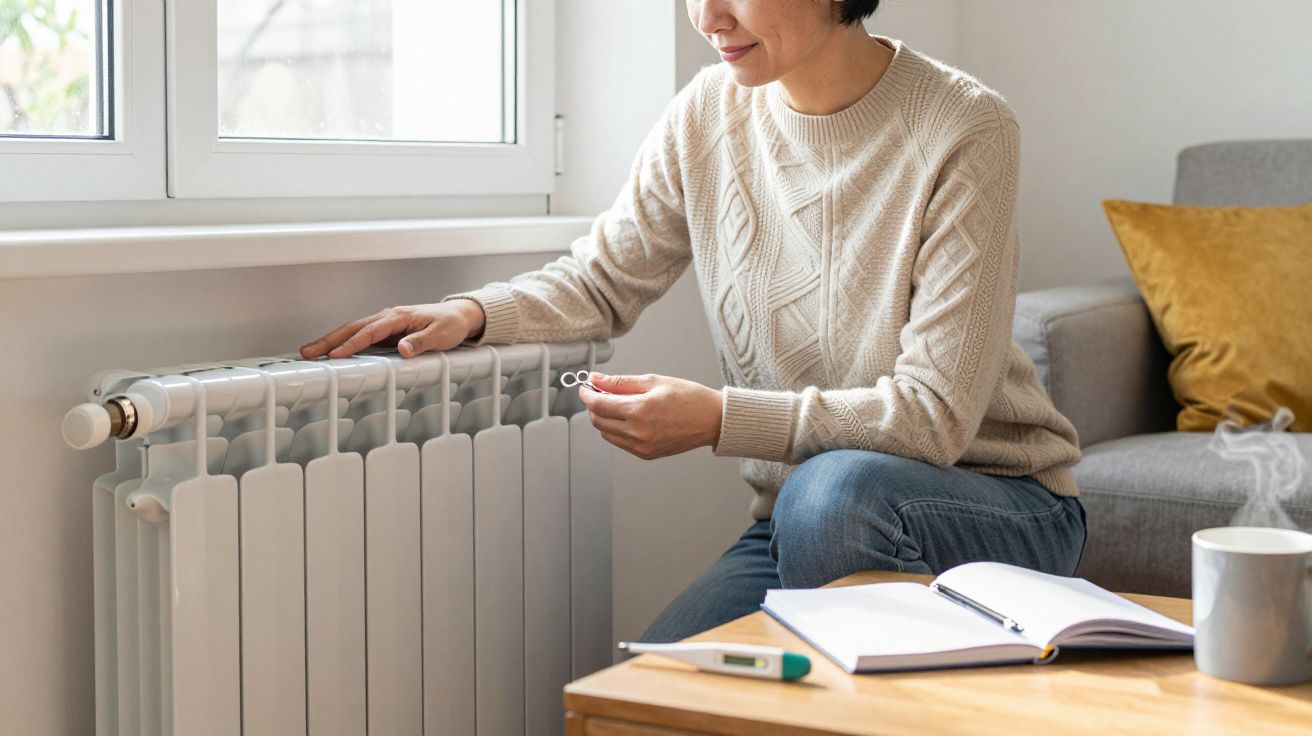
The “my heat pump doesn’t heat the house” story often starts with one or two rooms. North-facing bedrooms, boxed-in living rooms, extensions with poor insulation - the usual suspects.
At boiler temperatures, those rooms got away with undersized emitters. At lower temperatures, they are the first to fall behind, so the system runs longer to compensate. That can raise electricity use and still leave the room feeling flat.
Hot water: why it suddenly feels rationed
Many homes are used to combi boilers producing hot water on demand. A heat pump system often relies on a hot water cylinder, and cylinders behave differently. Recovery time matters, and so does how the system is set up to prioritise space heating versus water heating.
Common symptoms include:
- Hot water runs out sooner than expected at peak times.
- Reheat takes longer, especially in cold weather.
- Water temperature varies more between taps and showers.
This is not necessarily a heat pump “fault”. It is usually a design decision - cylinder size, target temperatures, and whether a top-up heater is used - that needs to match how the household actually lives.
New problems people don’t anticipate
Even when the home gets warm, low-carbon heating can introduce irritations that weren’t part of the boiler era.
Noise and neighbour complaints
Outdoor units make sound. Most are quiet enough when correctly sited, mounted and commissioned, but a poorly placed unit can become a constant background hum by a bedroom window or a neighbour’s fence line. Vibration through brackets can make it worse.
Planning and acoustic checks matter more than people expect, especially in dense terraces and semis.
Higher bills that don’t make sense on paper
A heat pump can be efficient and still cost more to run if the tariff and controls are mismatched. The usual culprits are:
- Running at unnecessarily high flow temperatures to “feel like a boiler”.
- Using immersion heaters as a crutch for hot water.
- Heating the whole house for longer because zoning is ineffective.
- Paying peak electricity rates with no load shifting.
The system may be doing its job. The billing pain comes from how it is being asked to do it.
How to reduce the risk before you commit
The fixes are rarely glamorous, but they are practical. You want a design-led installation, not a product-led one.
Prioritise these steps:
- Heat loss survey for each room, not a whole-house guess.
- Emitter check (radiators or underfloor) sized for the intended flow temperatures.
- Pipework assessment including flow rates, not just “it’s copper so it’s fine”.
- Controls plan that keeps things simple: clear zones, sensible schedules, minimal conflicts.
- Hot water sizing based on showers, baths and occupancy, not a standard cylinder bundle.
If an installer cannot explain how they sized the system, that is a warning sign. The best installs read like engineering, not sales.
The bigger picture: low-carbon heating still works, but it’s less forgiving
None of this means low-carbon heating is a dead end. It means the upgrade shifts responsibility: comfort depends less on a single appliance and more on how the whole system is matched and tuned.
For households, the most useful mindset is to treat it like fitting a new engine to an old car. It can run beautifully, but only if the rest of the drivetrain is compatible - and if someone takes the time to set it up properly.





Comments (0)
No comments yet. Be the first to comment!
Leave a Comment