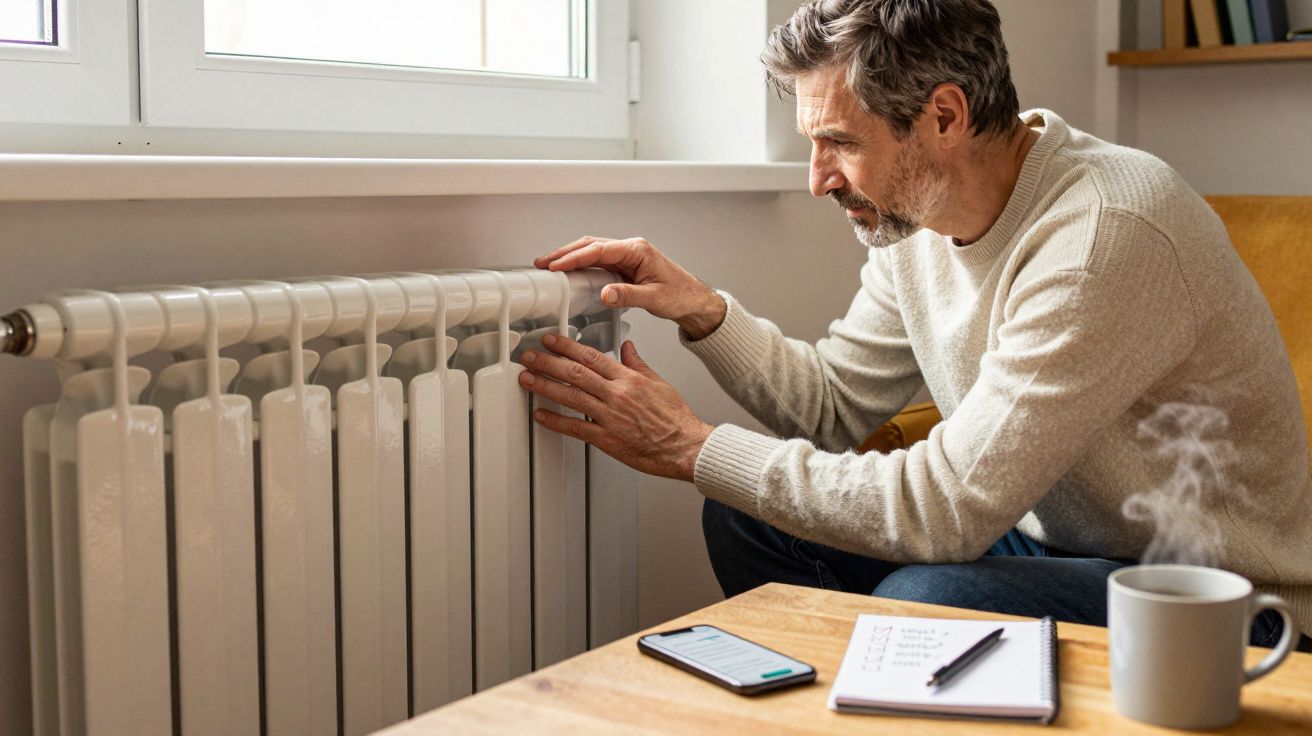
You notice it on a cold morning: faster heat-up times, the room feels warm sooner, and the boiler (or heat pump) seems oddly eager. That quick response can be real progress - but it can also be a sign of system stress, where the system is working harder, cycling more often, or masking a control problem that will show up later in bills, breakdowns, or patchy comfort.
The tricky bit is that “heats up fast” describes a feeling, not a diagnosis. A system can hit temperature quickly while still running inefficiently, short-cycling, or overheating locally. The useful question is simple: what changed - the building, the controls, or the plant?
Why “faster” can be both good news and a warning
There are honest reasons heat-up improves. A draught-proofing job reduces heat loss. A new thermostat reads the room better. A serviced boiler transfers heat more efficiently. In those cases, speed comes with steadier temperatures and lower run time.
But sometimes faster warm-up is the symptom of a system that’s overshooting and backing off, or pushing higher flow temperatures to compensate for something else. That’s where speed becomes a proxy for strain: more starts, more stop–start wear, and less time operating in the efficient range.
Fast warmth feels like a win. Repeated on–off cycles, higher flow temperatures, and noisy operation are the clues that it’s actually the system hustling.
What faster heat-up times often really mean in practice
Here are the most common “hidden stories” behind the quick warm-up, particularly in UK homes with combi boilers, system boilers, or heat pumps.
1) Short cycling: quick bursts, wasted effort
Short cycling is when the heat source fires up, shuts down, then fires again in rapid intervals. Rooms can feel warm quickly, but the system never settles into a steady, efficient run.
Look for:
- Radiators heating fast, then going lukewarm, then hot again
- A boiler that seems to “keep starting” every few minutes
- More noise at ignition and shutdown
- Higher bills despite “feeling warmer”
Common causes include oversized boilers, poor control settings, low water volume, or restricted flow (sometimes from partially closed valves or sludge).
2) Higher flow temperatures: brute force instead of balance
If your system is set to run hotter than it needs to, it can deliver a quick temperature lift - and then coast. That often reads as “better performance” even when it’s costing you.
- Boilers: Higher flow temperatures can reduce condensing efficiency, meaning more heat up the flue.
- Heat pumps: Higher flow temperatures can dramatically reduce COP, especially in colder weather.
A well-tuned system warms the home and runs lower, longer, and quieter. Fast heat from very hot water is sometimes just the system taking the expensive route.
3) Controls or sensors are lying (or placed badly)
If a thermostat is near a radiator, in direct sunlight, or on a cold external wall, it can make the system behave oddly. A quick warm-up can be followed by uncomfortable swings.
Watch for:
- One room hitting target quickly while the rest lags behind
- The heating cutting out “too soon”
- Big temperature differences between rooms
Smart thermostats can add another twist: “learning” schedules and pre-heat features can make it seem like the system heats faster, when it’s simply starting earlier.
4) Air, sludge, or flow restriction: hot at the source, cold in the circuit
When circulation is compromised, the boiler can heat the water rapidly because it isn’t moving heat away properly. That can trigger overheating, lockouts, or aggressive cycling - a classic system stress pattern.
Clues include:
- Radiators hot at the top, cold at the bottom
- Some radiators blazing, others barely warm
- Gurgling, ticking, or rushing-water sounds
- The boiler getting noisy under load
A magnetic filter that’s full of debris, a sticking pump, or a partially blocked plate heat exchanger can all create “fast heat” in the wrong place.
A quick self-check: speed plus what?
Use this as a simple sniff test. Faster warm-up is usually healthy when it comes with stability and quieter operation.
- Likely healthy: warm-up is faster and rooms stay even, boiler runs longer and steadier, bills don’t jump.
- Worth investigating: warm-up is faster but temperatures swing, the boiler cycles frequently, or some rooms never catch up.
- Act soon: warm-up is faster and you hear banging/whistling, get fault codes, or the boiler repeatedly shuts down and restarts.
The hidden cost: where system stress shows up first
System stress rarely announces itself as “I am stressed”. It shows up as secondary problems that people treat separately.
- Wear and tear: more ignitions, more expansion and contraction, more component fatigue
- Comfort problems: hot–cold swings, “one-room sauna”, cold spots upstairs
- Efficiency loss: hotter flow temperatures, shorter run times, and poorer heat transfer
- Reliability issues: lockouts, pressure drops, pumps straining, diverter valves sticking
If you’re thinking, “But it heats faster so it must be fine,” this is the counterpoint: strain often improves the feeling of speed while worsening the physics of efficiency.
What to do (without turning your home into a science project)
Start with the lowest-friction checks, then escalate only if the clues point that way.
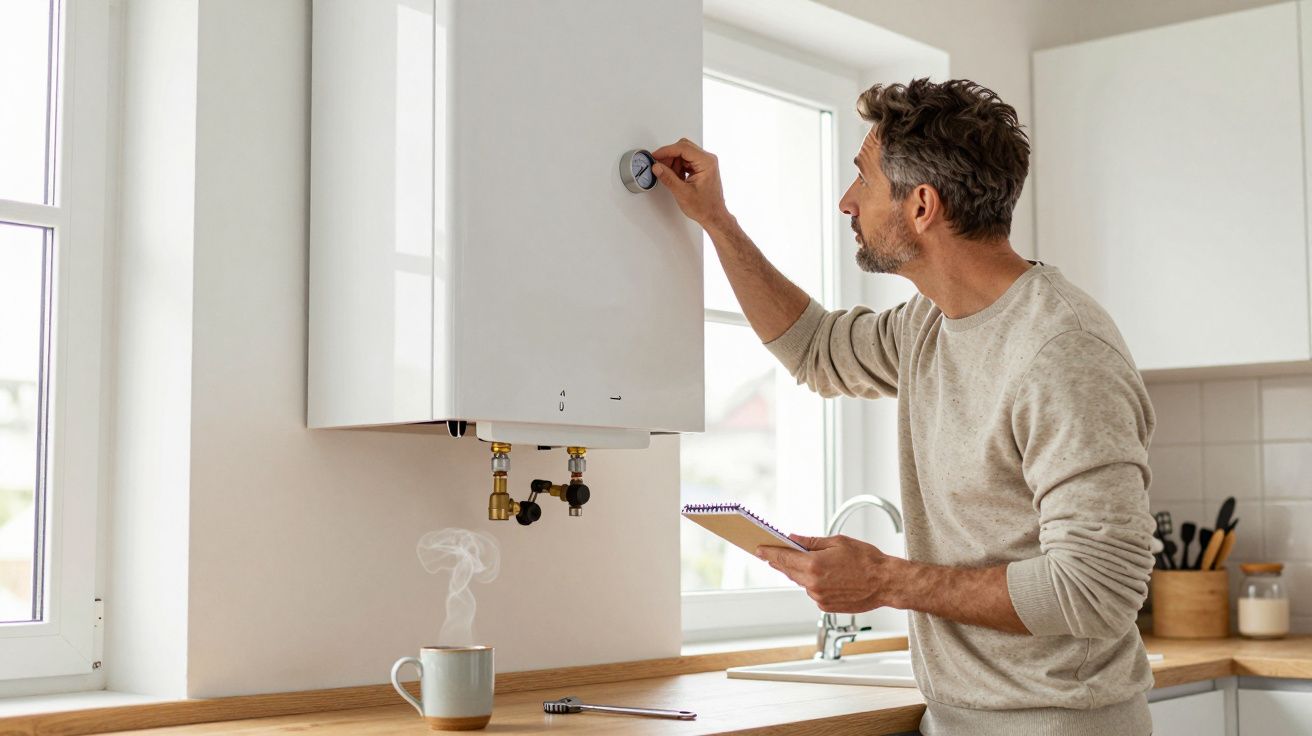
1) Check control settings - Make sure schedules haven’t changed. - Look for “optimum start” / pre-heat features. - Confirm the thermostat isn’t being influenced by a radiator or direct sun.
2) Listen for cycling - If the boiler fires every few minutes during steady cold weather, note it. - If you can, time a typical on/off pattern over 20 minutes.
3) Sanity-check flow temperature - For condensing boilers, running slightly cooler can improve efficiency if comfort remains good. - For heat pumps, lowering flow temperature is often the biggest win - if emitters and insulation support it.
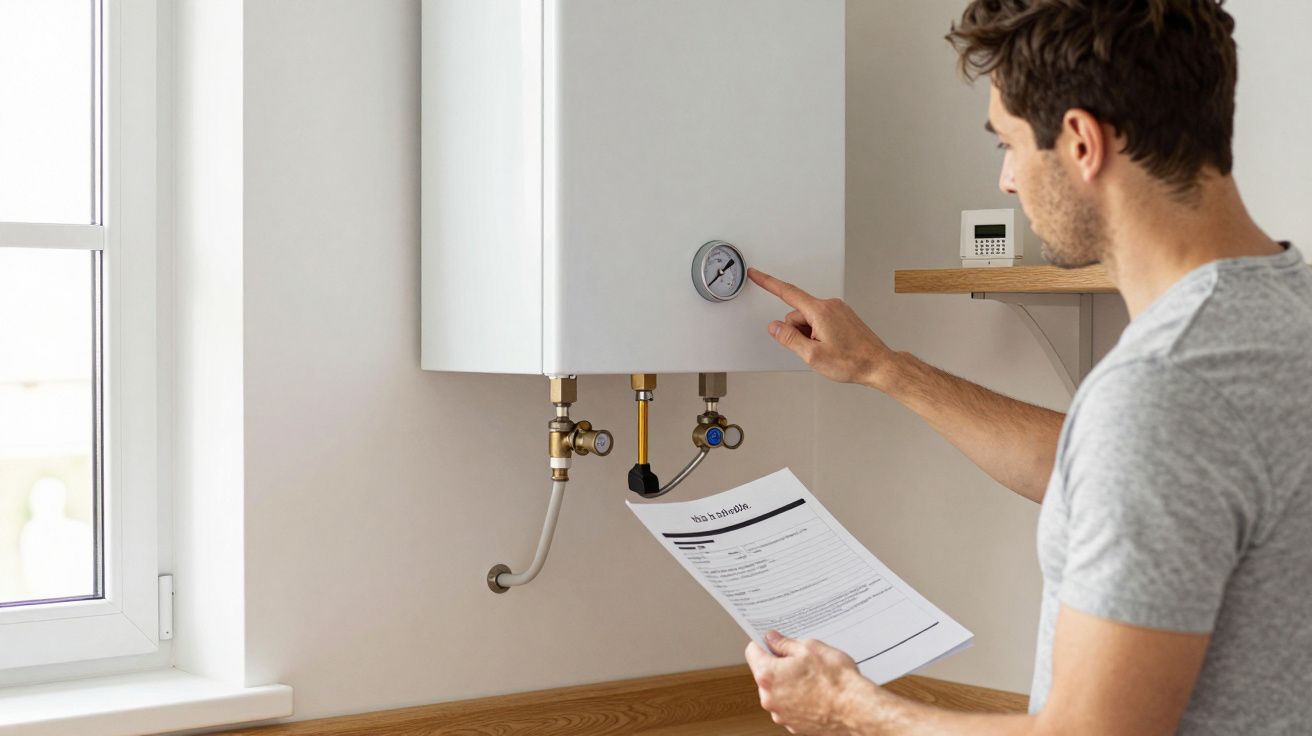
4) Look for circulation hints - Cold radiator bottoms, noisy pipework, or persistent balancing issues merit a professional check. - If you have a magnetic filter, ask when it was last cleaned.
The aim isn’t “fastest possible heat”. The aim is smooth delivery with minimal cycling and the lowest workable flow temperature.
When to call an engineer (and what to ask)
If faster warm-up is paired with noise, frequent cycling, uneven rooms, or rising bills, it’s reasonable to book a service or diagnostic visit. The most useful questions are specific:
- “Can you check for short cycling and confirm the boiler modulation is behaving?”
- “What’s the current flow temperature, and is it higher than it needs to be?”
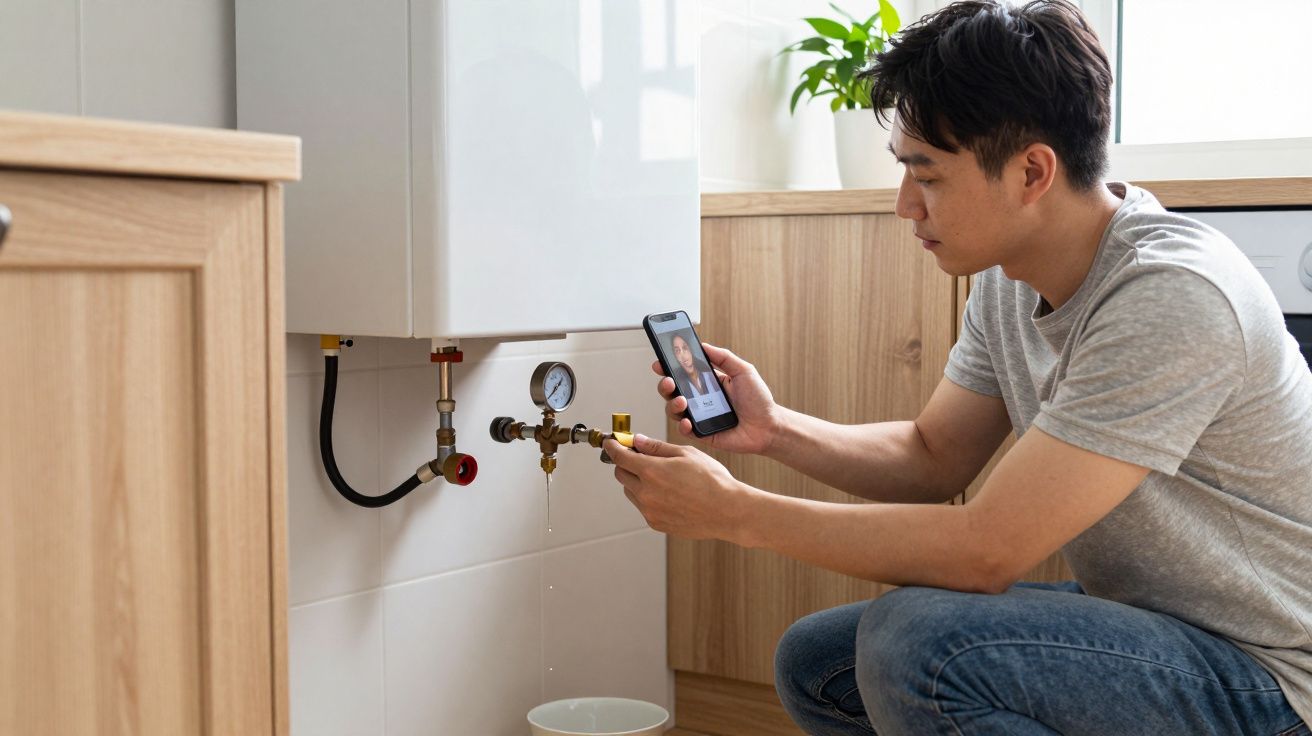
- “Can you check pump performance, system cleanliness, and whether there’s a flow restriction?”
- “Is the boiler oversized for the heat loss, and are controls set up to reduce cycling?”
A good engineer won’t just fix the symptom. They’ll aim for a system that runs longer, steadier, and cheaper - even if it feels slightly less dramatic in the first five minutes.
FAQ:
- Can faster heat-up times be a sign my system is finally working properly? Yes. After servicing, balancing, insulation improvements, or better controls, quicker warm-up can reflect real efficiency gains. The positive sign is stable room temperatures and fewer noticeable on–off cycles.
- Why would a boiler heat the house quickly but still cost more? Higher flow temperatures and short cycling can deliver quick warmth while wasting energy. The system may be taking an inefficient route to achieve the same comfort.
- Does this apply to heat pumps as well as boilers? It does. Heat pumps often show “fast heat” when flow temperatures are pushed up, which can reduce efficiency and increase wear. A well-set heat pump tends to run longer at lower temperatures.
- What’s the biggest red flag alongside faster warm-up? Frequent cycling - the heat source starting and stopping repeatedly - especially when outdoor temperatures are consistently cold. That pattern is strongly linked to system stress and efficiency loss.



Comments (0)
No comments yet. Be the first to comment!
Leave a Comment