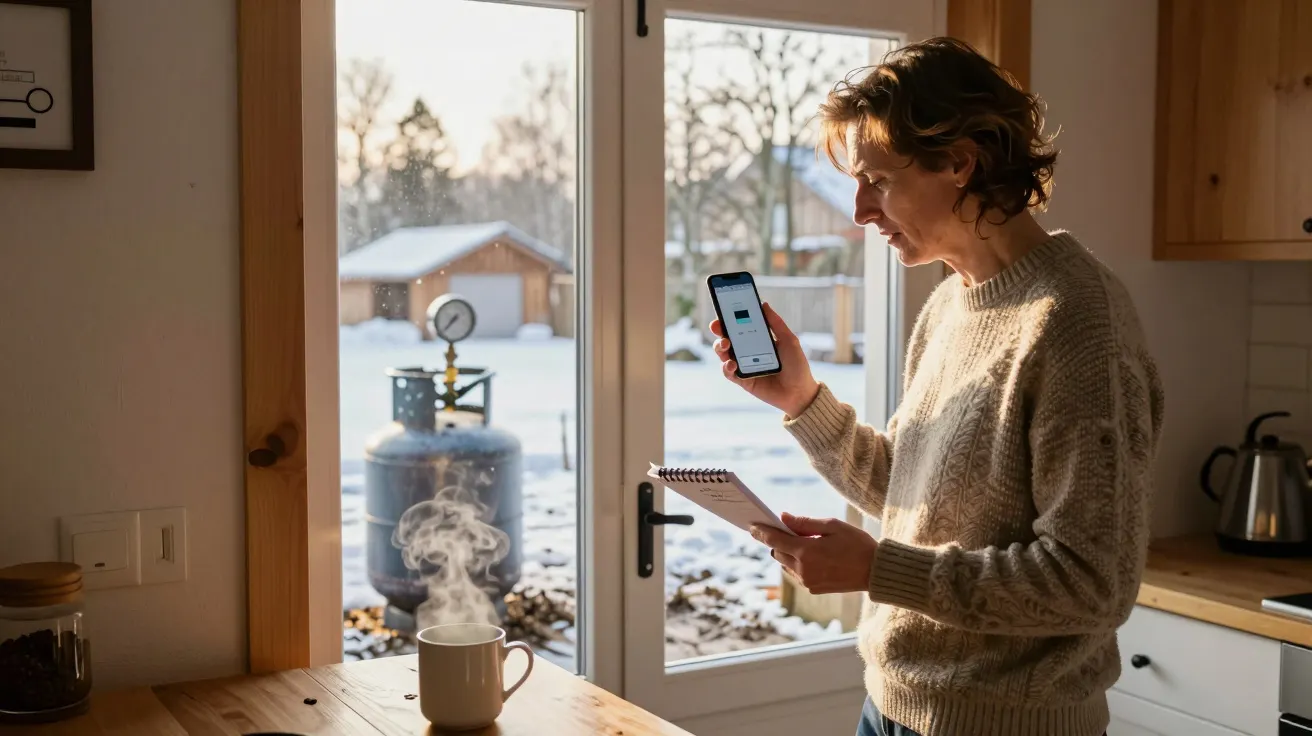
The failure rarely starts with a dramatic bang. In rural homes, the first clue is often a chill that doesn’t match the thermostat, or a boiler that “sounds normal” yet won’t keep up. If you rely on lpg heating systems, that mismatch matters because the weakest link might not be inside the house at all - it could be the tank, the delivery schedule, the regulator, or the weather itself.
City heating problems tend to be contained: a combi boiler fault, a meter issue, a local engineer around the corner. Out in the countryside, heat is a small supply chain, and small supply chains fail in more ways.
Why the same fault feels worse in the countryside
In towns, when the heating drops out, you can often ring someone and expect parts, people, and access. Rural call-outs don’t work like that. A single breakdown can turn into a multi-day wait because the engineer is covering a wide patch, the roads are poor, and the right part isn’t on the van.
Even the “simple” problems carry extra friction. A frozen condensate pipe is annoying anywhere, but it’s more likely when the boiler is in a cold outbuilding and the run to the drain is longer. A low-pressure system is solvable anywhere, but if the filling loop is awkwardly installed or the gauge is in a dim utility room, it becomes a late-night puzzle when the house is already cold.
The result is not that rural properties are badly maintained. It’s that they’re asked to run heating in harder conditions with fewer safety nets.
The hidden failure points: access, exposure, and distance
A lot of rural heating failures have nothing to do with “the boiler is old”. They’re about the environment the system has to survive.
Common rural amplifiers include:
- Longer pipe runs and more outbuildings. More joints, more heat loss, more chances for a weak section to show itself.
- Higher exposure. Wind-driven cold can push certain homes into constant catch-up mode, which stresses pumps, valves, and controls.
- Power cuts and voltage dips. Electronic ignition, circulating pumps, and smart controls don’t love unreliable supply.
- Hard-to-reach kit. Tanks, external boilers, and buried lines mean faults can be physical, not just mechanical.
You can think of it like this: in a compact modern house, everything is within a few metres. In an older rural place, the heating system is spread out across yards, walls, lofts, and sometimes generations of “that’ll do” alterations.
LPG adds its own set of failure modes
LPG is a brilliant rural fuel because it’s independent of the gas main. That independence is also the catch: you’re responsible for storage, level monitoring, and ensuring the system can actually deliver gas when demand peaks.
The typical LPG-specific issues are quietly predictable:
- Running low at the wrong time. In cold snaps, usage spikes and deliveries get delayed. The boiler doesn’t fail - the supply does.
- Regulator or changeover problems. A sticky regulator can mimic a boiler fault: ignition attempts, lockouts, intermittent hot water.
- Tank siting and access. If a tanker can’t reach the tank safely (mud, gates, snow, weight limits), your “full tank” plan becomes theory.
- Cold-weather performance. Very low temperatures can reduce vapourisation rates, especially if demand is high and the installation is marginal.
If you’ve ever watched the boiler lock out and then magically behave after “doing nothing”, you’ll know the frustration. LPG supply issues can be intermittent, and intermittent faults waste the most time.
“It’s not the boiler” - the rural diagnostic trap
There’s a pattern engineers see over and over: a homeowner replaces an expensive component because the symptoms point there, but the real cause is upstream.
A few classic examples:
- The boiler keeps cutting out → the real issue is low LPG flow due to a failing regulator.
- Radiators are lukewarm upstairs → the issue is balancing, sludge, or a pump struggling with long circuits.
- Hot water is fine, heating is weak → the issue is often controls, zone valves, or a system that can’t meet heat loss in wind.
- The boiler works until evening → the issue can be low tank level plus peak demand (cooking + showers + heating).
Rural homes don’t just need repairs. They need a slightly wider “map” of what counts as part of the heating system.
A quick reality-check list before you call someone out
You don’t need to become your own engineer. You do need a short, calm checklist that stops you missing the obvious - especially when you’re paying for a long call-out.
Start here:
- Check fuel first. Tank gauge (and whether it’s trustworthy), changeover valve position if you use cylinders, and any delivery notes.
- Check power and controls. Programmer, room stat, batteries, and whether power cuts have reset timings.
- Check boiler status. Error code, system pressure (if applicable), and any signs of condensate freezing.
- Check the “rural extras”. External pipework, exposed sections, and whether snow/ice/mud is affecting access or vents.
Write down what you see before you ring. A five-minute note can save a second visit, because the engineer arrives with the right part and the right suspicion.
How to make heating failures less likely (without turning it into a hobby)
The goal isn’t perfection. It’s removing the few predictable triggers that rural properties are prone to.
A practical baseline looks like:
- Keep LPG deliveries boring. Don’t run close to empty in winter; consider telemetry if the signal works where you live.
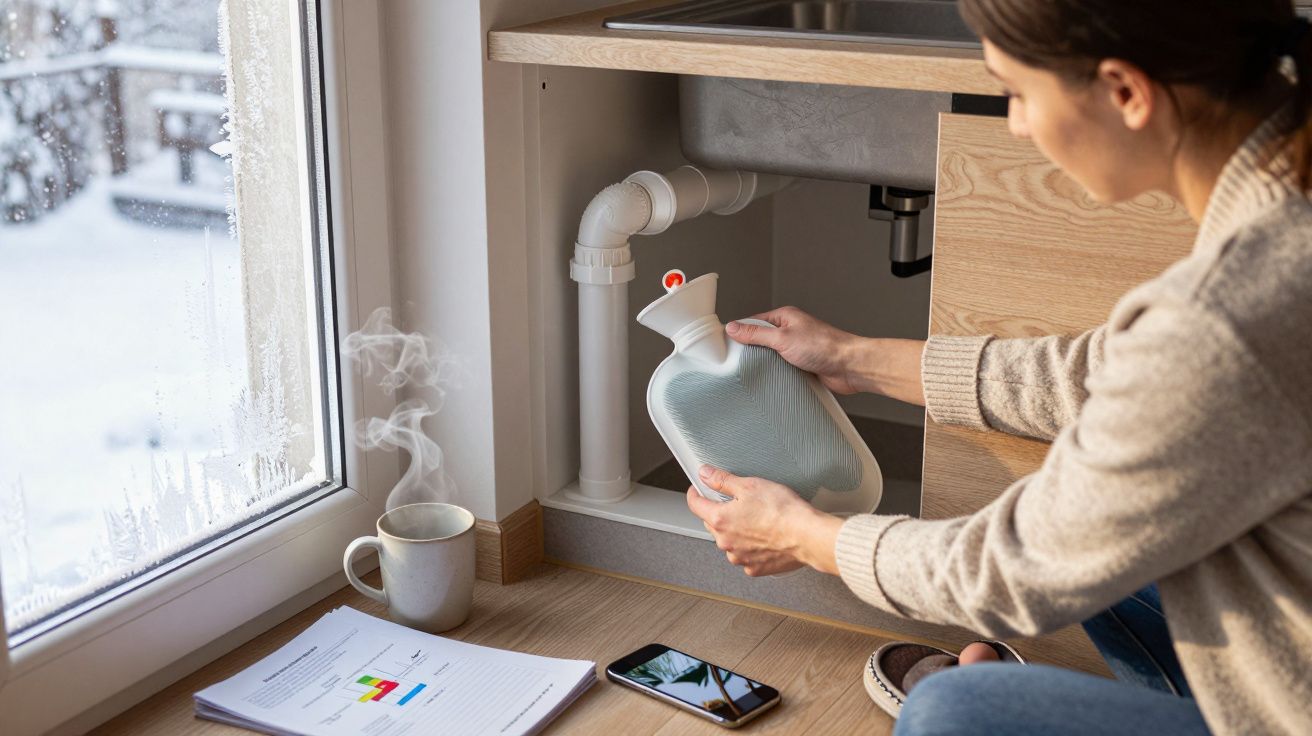
- Protect vulnerable pipework. Insulate exposed runs and pay attention to condensate routes, especially on external boilers.
- Service with context. Tell the engineer it’s rural, exposed, and LPG. Ask them to check regulator health and system performance under load.
- Match the system to the house. A poorly insulated rural home can “work” on mild days and fail on cold windy ones. Sometimes the fix is heat loss reduction, not another boiler tweak.
“Most ‘mystery’ rural breakdowns aren’t mysteries,” as one LPG engineer put it. “They’re the same three issues - fuel, exposure, or access - wearing different clothes.”
The rural heating failure pattern (in plain terms)
| What you notice | Likely rural cause | First action |
|---|---|---|
| Boiler locks out intermittently | LPG supply/regulator issue | Check tank level, note fault codes |
| Heating struggles on windy days | Heat loss + system at limit | Improve draught-proofing, review sizing |
| Works, then fails after a power cut | Controls reset / voltage issue | Check programmer, consider surge protection |
FAQ:
- Can lpg heating systems cause different boiler error codes? The codes are usually the same, but the trigger can be different - poor gas supply or regulator issues can look like ignition faults.
- Why do rural homes run out of fuel more often? Demand spikes in cold snaps and deliveries are more easily disrupted by access, weather, and longer routes.
- Is it worth getting a smart tank monitor? If it’s reliable at your location, yes. It turns “I think we’re fine” into “we know”, which prevents the most avoidable failure.
- What’s the fastest win if the house never feels warm enough? Reduce heat loss first (draughts, loft insulation, sealing). Otherwise the heating system is asked to chase a moving target.




Comments (0)
No comments yet. Be the first to comment!
Leave a Comment