I didn’t expect to change the way I shop for Samsung this year, but here we are. One oddly common message keeps popping up in forums, retailer chats, and even family group texts - “it seems you haven’t provided any text to translate. please provide the text you’d like translated into united kingdom english.” - and it’s become a weird little symbol of the moment: people are slowing down, double-checking, and refusing to rush into the next upgrade without proper clarity.
Because Samsung isn’t just “a phone brand” in the UK anymore. It’s phones, tablets, watches, earbuds, TVs, and appliances - and when you live inside that ecosystem, small buying decisions ripple for years. The quiet shift isn’t about less interest. It’s about shoppers getting sharper.
The “upgrade reflex” is fading - and nobody’s making a fuss about it
For a long time, the pattern was simple: a new Galaxy launches, trade-in banners appear, and you either jump early or feel behind. This year, more people are doing something less dramatic and more sensible: they’re waiting. Not forever, just long enough to see real reviews, real pricing, and whether the “new” features matter in everyday life.
That change is partly economic, but it’s also psychological. People have been burned by hype cycles across tech, and they’re now treating phones and wearables more like appliances: buy when it’s needed, not when it’s noisy.
What “waiting” actually looks like in 2025
It’s not indecision. It’s a different routine:
- watching price trackers for two to six weeks after launch
- buying during predictable dips (mid-season promos, bank holiday events, end-of-quarter clearances)
- choosing last year’s flagship on purpose, not as a consolation prize
- factoring in software support years, not just camera specs
The result is quietly brutal for impulse buying. Samsung shoppers aren’t abandoning the brand - they’re negotiating with it.
People are shopping the ecosystem, not the headline product
A few years ago, you could pick a phone in isolation. Now, a Samsung purchase tends to come with invisible strings: Galaxy Watch compatibility quirks, earbuds multipoint behaviour, SmartThings routines, TV casting habits, and whether your tablet can double as a second screen without fuss.
So shoppers are thinking in bundles and “fit”, not just the best single device. That’s why you’ll see someone happily skip the newest handset, then spend the saved money on storage, a better case, or a watch that actually suits how they live.
The new question isn’t “What’s the best?” - it’s “What will annoy me least?”
It sounds unromantic, but it’s real. People are reading about:
- battery health over 18–24 months (not day-one endurance)
- repairability and cost of screen replacements
- Exynos vs Snapdragon performance in the UK models they can actually buy
- whether the camera is good indoors, not just on holiday
- how Samsung’s apps behave if you also use Google services heavily
That last part matters. Plenty of UK buyers love Samsung hardware, but want a calmer software experience - fewer duplicated apps, fewer prompts, fewer “set this as default” nudges. So they’re researching setup guides before they even checkout.
Trade-ins are still popular - but shoppers are reading the small print now
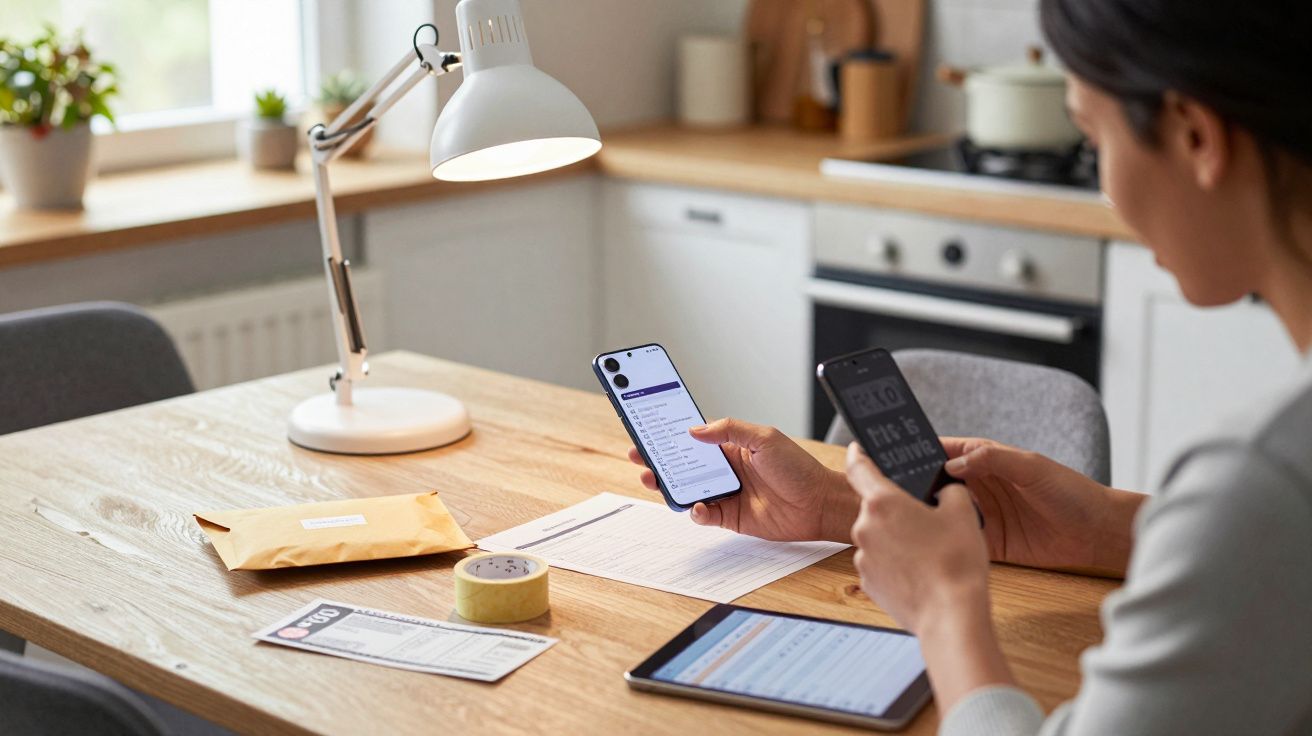
Trade-in used to feel like free money. This year, people are treating it like a contract. They’re checking device grading rules, packaging requirements, and what happens if the courier loses the parcel or the assessor disagrees about a scratch.
The habit change is subtle: more photos taken before sending, more people using recorded delivery where possible, more screenshots of offer terms. It’s not paranoia. It’s the natural response to a system that works brilliantly until the one time it doesn’t.
A simple checklist that’s become strangely common
Before sending a trade-in, shoppers are:
- filming the phone powering on and showing the IMEI/serial screen
- photographing the device under bright light (edges, camera ring, screen)
- resetting properly and removing Google/Samsung accounts
- keeping proof of postage and tracking screenshots
- saving the original offer page as a PDF or screenshot
It’s the same energy as checking your suitcase weight before the airport. Nobody wants the argument at the gate.
Refurbished and “nearly new” has lost its stigma
This is one of the biggest shifts, and it’s happening without a trend piece announcing it. Samsung shoppers are increasingly comfortable buying refurbished from reputable sources, especially for tablets, watches, and previous-gen flagships.
The logic is hard to argue with: you often get the premium build, a decent warranty, and a price that makes accessories and insurance less painful. In a year where people are scrutinising value, refurbished stops feeling like a compromise and starts feeling like competence.
What buyers are checking (instead of just trusting the label)
They’re looking for:
- battery health statements (or at least a clear grading policy)
- warranty length and returns process
- whether it’s “refurbished” or simply “used” with a wipe-down
- network lock status and UK plug/charger inclusions
- software update eligibility for that exact model code
That model-code point is nerdy, but it’s also where disappointment lives. People are learning.
Samsung shoppers are choosing boring accessories - and that’s a compliment
There’s been a drift away from novelty gadgets and towards things that quietly reduce daily friction. A good charger. A reliable cable. A case that doesn’t yellow in eight weeks. A screen protector that doesn’t make the fingerprint sensor sulk.
It mirrors what happens in home habits: once you’ve had enough minor annoyances, you start paying for calm. The purchase becomes less about showing off and more about avoiding hassle.
The “calm tech” basket
Commonly, the smarter spend looks like:
- official or properly certified fast chargers (especially for tablets)
- higher-capacity storage choices to avoid cloud juggling
- cases with real drop protection rather than slim aesthetics
- earbuds tips that fit properly (because “great sound” means nothing if they fall out)
None of it is exciting. All of it makes the device feel better for longer.
The quiet takeaway: people aren’t leaving - they’re learning
Samsung still has enormous pull in the UK, and plenty of shoppers genuinely prefer the hardware and the screens. The change this year is that buyers are acting like grown-ups about it: delaying gratification, comparing total cost, and checking the unglamorous details that determine whether you’ll love the device in six months.
It’s not a boycott. It’s not brand fatigue. It’s the slow rise of habits that protect your time and your money - the kind you only pick up after you’ve made a few loud mistakes.
FAQ:
- Is it worth waiting after a new Samsung launch? Often, yes. UK pricing and bundles tend to settle after the initial launch window, and real-world reviews reveal battery, heat, and camera consistency better than early promos.
- Are refurbished Samsung phones safe to buy? They can be, if you use a reputable retailer with a clear grading system, warranty, and returns. Check model codes, network lock status, and what “refurbished” actually means on that listing.
- Do Samsung trade-ins really save money? They can, but treat them like a process. Document the device condition, keep proof of postage, and save the offer terms so you’re covered if the assessed value changes.


Comments (0)
No comments yet. Be the first to comment!
Leave a Comment