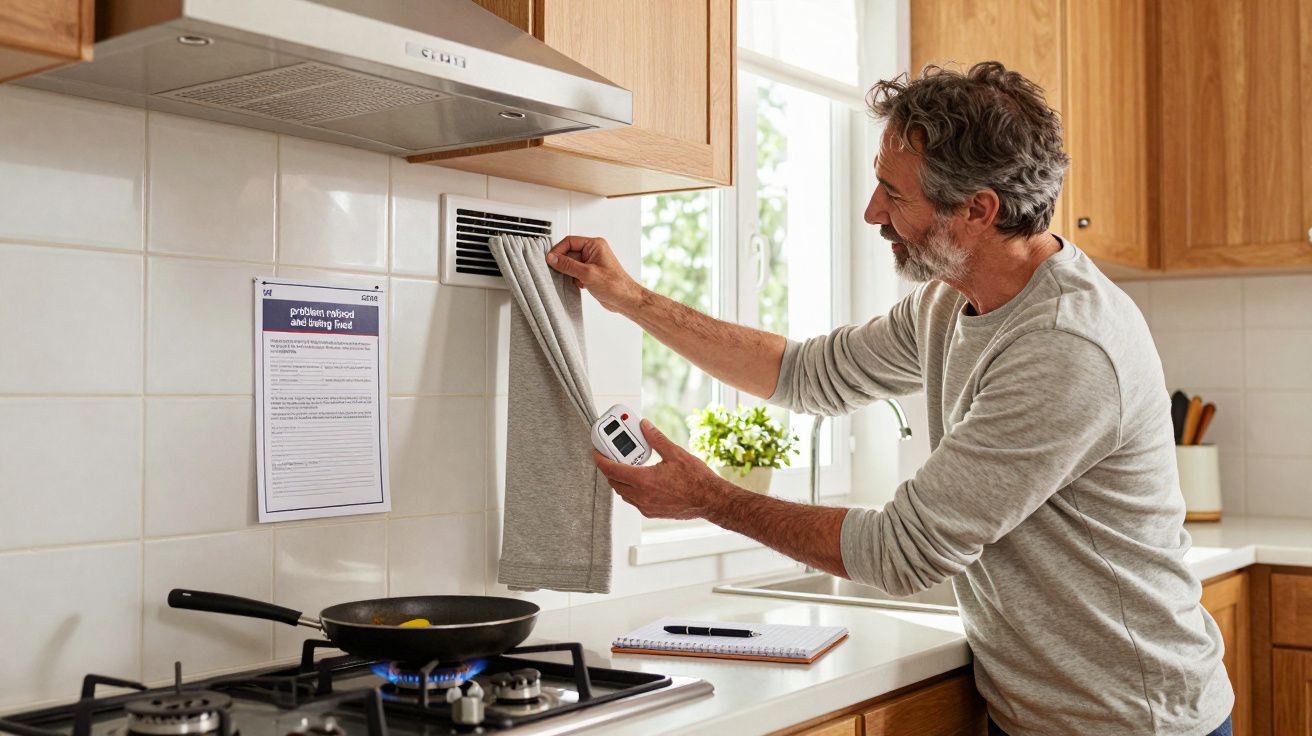
Gas appliances can look perfectly fine on the day, which is why gas safety inspections feel reassuring: a qualified person checks key points, records results, and you file the certificate away. Yet the most serious long-term risk often isn’t the obvious, dramatic fault-it’s the slow drift from “safe enough today” to “dangerous later” as conditions change.
It helps to treat an inspection as a snapshot taken under one set of pressures, temperatures and usage patterns. Real homes don’t stay still, and neither do the materials, occupants, or the small decisions that shape ventilation and maintenance between visits.
The inspection is a moment; the system is a moving target
A proper inspection can only test what’s present and accessible at the time: tightness, basic operation, visible flues, combustion indicators, ventilation provision, and documentation. It can’t fully simulate months of intermittent use, blocked air paths, DIY changes, or a tenant learning to “make it stop clicking” with a quick adjustment.
This is why people are surprised later. They remember the pass, and they assume “pass” means “it will remain safe”. In reality, “pass” usually means “no defects found today that fail the standard”.
Think of it like a car MOT. It’s meaningful, but it’s not a warranty against wear, modifications, or a new rattle that starts next week.
What “passed” really means in practice
There’s a quiet gap between compliance and resilience. A boiler might meet combustion requirements today while sitting right on the edge-just enough air, just enough flue performance, just enough maintenance history to keep readings acceptable.
A pass can mask fragility when:
- The appliance is sensitive to airflow changes (common in older or marginal installations).
- The flue route is long, altered, or hard to view end-to-end.
- Ventilation relies on air bricks and gaps that occupants later cover up for comfort.
- The system is shared (communal flues, multiple extract fans, adjoining refurb works).
- Usage patterns change (a new baby means windows shut; energy costs mean less ventilation).
None of this is about bad engineers. It’s about an environment that changes faster than annual paperwork.
The slow failures most likely to show up later
Some faults arrive with drama. Most arrive with accumulation.
Ventilation quietly gets “improved”
People draught-proof. They add secondary glazing. They install thicker curtains, seal unused vents, fit new doors, or block air bricks because the room feels cold. Each step seems sensible, but together they can reduce combustion air or increase negative pressure, nudging a stable flame into incomplete combustion.
Extractor fans can add to the problem. A powerful kitchen hood or a new bathroom fan can pull air from anywhere it can, including through a flue in certain situations.
Flues and terminals age in unglamorous ways
Flues can degrade, corrode, loosen at joints, or become partially obstructed by debris, birds, or weather damage. Terminals can be affected by new fencing, external insulation, a lean-to, or a neighbour’s extension that alters wind patterns around the outlet.
On inspection day, the visible sections may look fine and the appliance may perform. Months later, a subtle restriction can shift the combustion conditions enough to matter.
Servicing gets skipped, then normal becomes “normalised”
A boiler that hasn’t been serviced may still fire. A cooker may still light. People adapt to changes: yellow tips on a flame, soot marks, a smell that “only happens sometimes”, headaches that “must be stress”.
The risk is that the household recalibrates what’s normal while the appliance drifts further out of tolerance.
The hidden role of access, time, and what can’t be seen
Inspections happen in real homes: tenants are busy, cupboards are packed, the boiler is boxed in, the loft hatch is blocked by storage. Engineers can only inspect what they can safely access and what regulations allow them to dismantle under the scope of the check.
There’s also the time reality. A thorough visit still has limits. It will not replicate every scenario: all burners on, all doors closed, extractor on full, windy weather, and the heating cycling for hours.
If you want a useful mental model, it’s this: an inspection reduces risk, it doesn’t erase it.
How to make a pass mean more than a piece of paper
A small set of habits makes the “passed” status stick for longer, because you’re watching for drift.
- Keep vents and air bricks unobstructed, even if the room feels colder than you’d like.
- Don’t box in boilers or pipework without confirming required clearances and ventilation.
- After any building work (new windows, insulation, extract fans), reassess ventilation and appliance performance.
- Schedule servicing as well as inspections; they do different jobs.
- Take smells, soot, lazy flames, and recurring condensation seriously-especially if they’re new.
- Ensure working carbon monoxide alarms are fitted and tested, in sensible locations.
Quick “drift check” you can do this week
Pick one appliance and look for changes rather than absolutes. Has the flame colour changed? Are there new stains around the case or flue? Is there a new rattling fan noise? Are people avoiding a room because it “feels stuffy”?
Write it down. Patterns beat memory, and they give an engineer something concrete to investigate.
A simple map of why passes fail
| What passes on the day | What changes later | Why it matters |
|---|---|---|
| Combustion/operation looks normal | Ventilation reduced, extract added | Higher chance of incomplete combustion and spillage |
| Flue appears intact where visible | Partial obstruction or joint loosening | Performance can degrade without obvious signs |
| Controls operate as expected | Wear, soot, poor servicing | Small faults compound into unsafe operation |
What landlords, homeowners, and occupants often miss
Landlords may assume the annual certificate covers everything. Homeowners may assume “new boiler” means “no attention needed”. Occupants may assume discomfort is the price of saving heat.
The uncomfortable truth is that safety depends on the whole system: appliance, flue, ventilation, and how the home is used. The certificate is the baseline, not the finish line.
FAQ:
- What’s the difference between an inspection and a service? An inspection checks safety and compliance at the time; a service focuses on cleaning, adjustment, wear parts, and keeping performance stable. You usually need both.
- If it passed, can carbon monoxide still be a risk later? Yes. Long-term risk rises when ventilation changes, flues degrade, or appliances drift out of tune after the inspection.
- Do new windows and draught-proofing really matter? They can. Airtightness changes airflow patterns and can reduce combustion air or increase negative pressure, especially alongside extractor fans.
- What signs should prompt an earlier call-out? New sooting, persistent condensation near an appliance, yellow/orange flames, pilot problems, unusual smells, headaches that improve when you leave the room, or an alarm activation.
- Is an annual check enough? It’s a strong minimum, but homes that change (renovations, new fans, altered occupancy) often need reassessment sooner, plus routine servicing to prevent drift.





Comments (0)
No comments yet. Be the first to comment!
Leave a Comment